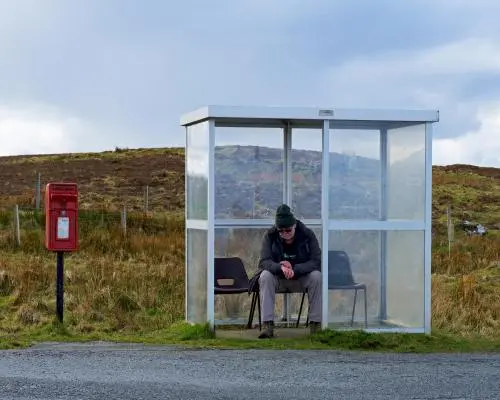
More Than Just a Roof Over Your Head
Modern bus shelters are evolving from simple rain covers into essential tools for urban planning and public transport growth. These structures provide vital protection from the sun and wind while significantly altering how passengers perceive their daily commutes. By improving the waiting experience, cities are finding that better infrastructure directly leads to higher ridership rates.
Breaking news
 Legislative Tensions Rise as Congress Returns to Washington
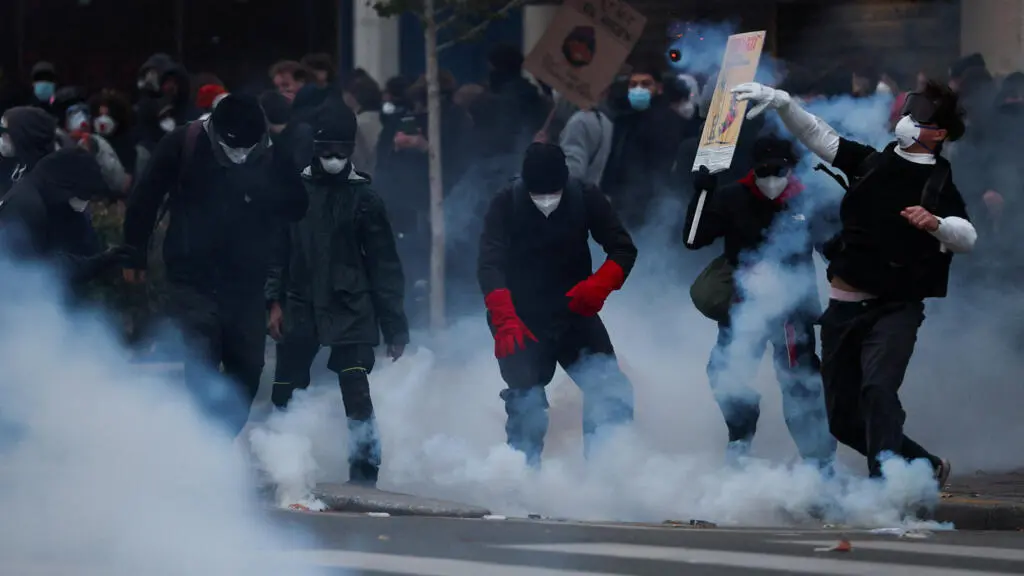 EU Report Finds Russian Network Used Social Media to Blame French Riots on Immigration
 Victims Detail Lifelong Impact of Russell Brand's Crimes in Court
 Advent 2026 Calendars Offer Daily Surprises for Every Interest
While a basic shelter consists of a roof and side panels, the psychological impact on travelers is profound. Research suggests that commuters feel their wait time is shorter when they have a physical space to occupy. This perception reduces the frustration often associated with public transit, making buses a more attractive alternative to private vehicles.
The design of these structures varies greatly depending on local climate and city budgets. Most shelters utilize durable materials like steel, polycarbonate, or reinforced glass to withstand harsh weather. While they are highly effective at blocking vertical rain and snow, engineers are still refining designs to better deflect horizontal winds.
Can Design Influence How People Travel?
Beyond physical comfort, shelters serve as a visible anchor for the transit system. They provide a sense of security and permanence in the urban landscape. When a stop is clearly defined by a well-maintained structure, it signals to the community that the transit service is reliable and valued by the local government.
High-quality shelters act as a silent marketing tool for city buses. When potential riders see clean, well-lit, and protective spaces, they are more likely to consider leaving their cars at home. This shift is crucial for reducing traffic congestion and lowering urban carbon emissions.
Some cities are now experimenting with elaborate designs that include digital displays, seating, and even green roofs. These additions turn a mundane waiting area into a functional piece of street furniture. As urban populations grow, the focus is shifting toward making every part of the journey as comfortable as possible.
Frequently Asked Questions
How do shelters change the way passengers perceive time? Studies show that people waiting in a designated shelter feel that time passes more quickly than those standing on an open sidewalk. This psychological comfort reduces the stress of waiting for a delayed bus.
What materials are most commonly used in these structures? Most modern shelters are built using a combination of steel frames and transparent panels made of glass or polycarbonate. These materials are chosen for their durability, visibility, and ability to protect against rain and snow.
Why are some shelters less effective against the wind? Standard designs often focus on overhead protection and rear blocking, leaving the front or sides open for easy passenger access. This open-entry design can allow wind to circulate, though newer models are testing staggered entrances to solve this.