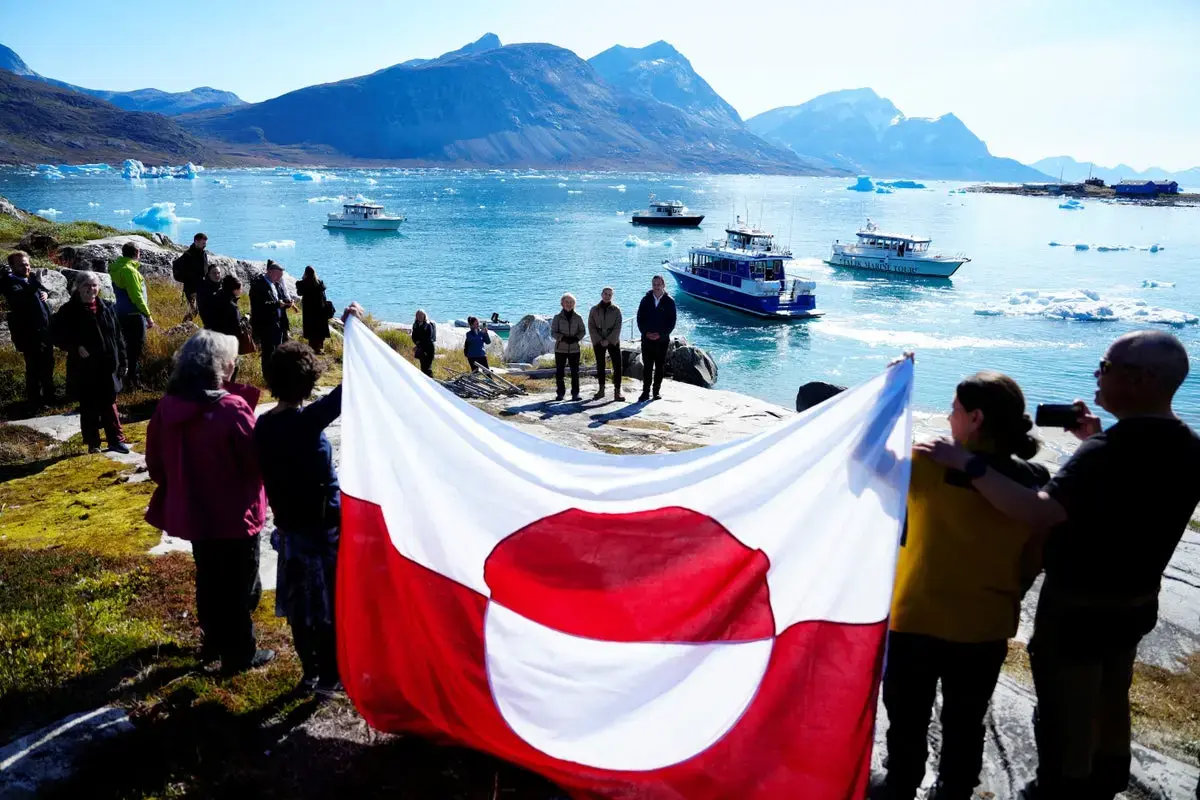
A Strategic Arctic Gamble
In 2019, Donald Trump sparked an international diplomatic controversy by proposing that the United States purchase Greenland. The massive Arctic territory, which functions as a semiautonomous region under Danish sovereignty, became the center of a bizarre geopolitical debate. The proposal quickly devolved from a casual suggestion into a tense standoff between Washington and Copenhagen.
Breaking news
 South Korea Weighs Strong Response After DMZ Landmine Blast
 Quebec Separatists Promise Referendum After Election Victory
 Pacific Leaders Demand Firm Commitment to Fossil Fuel Exit
 Green Party Faces Crisis After Controversial Vote
Trump’s interest reportedly stemmed from the island’s vast natural resources and its strategic location for military operations. While initial reports dismissed the idea as a whimsical notion, the administration’s persistence suggested a genuine policy goal. The move caught Danish officials off guard, leading to a swift and public rejection of the premise that the territory was for sale.
The White House viewed the acquisition as a way to bolster American influence in the high north. Experts noted that Greenland’s proximity to Russia and its untapped mineral wealth made it an attractive asset for U. S. national security. By controlling the island, the United States hoped to secure a permanent, dominant footprint in the Arctic Circle.
Why Did the Proposal Cause Such Diplomatic Friction?
However, the Danish government maintained that the island was not a commodity to be traded. Prime Minister Mette Frederiksen famously described the proposal as absurd, prompting a sharp reaction from the American president. Trump eventually canceled a scheduled state visit to Denmark, citing the country's lack of interest in discussing the transaction.
The incident strained relations between the two NATO allies, highlighting a disconnect in diplomatic norms. Washington’s aggressive posture toward a sovereign partner’s territory was seen as an unprecedented breach of protocol. The episode ultimately ended without any progress, leaving the island firmly under Danish administration while raising questions about the future of Arctic diplomacy.
Frequently Asked Questions
The fallout served as a reminder of the complexities involved in territorial sovereignty. While the idea of a purchase faded, the strategic importance of the region continues to grow. Global powers remain focused on the Arctic, ensuring that the territory stays a focal point for international competition for years to come.
Did Denmark ever consider the American offer? No, the Danish government immediately dismissed the proposal as absurd. They maintained that Greenland was not for sale and refused to engage in serious negotiations.
What was the primary motivation behind the bid? The administration sought to gain access to Greenland’s significant mineral resources. Additionally, they wanted to secure a more permanent and dominant military presence in the Arctic.