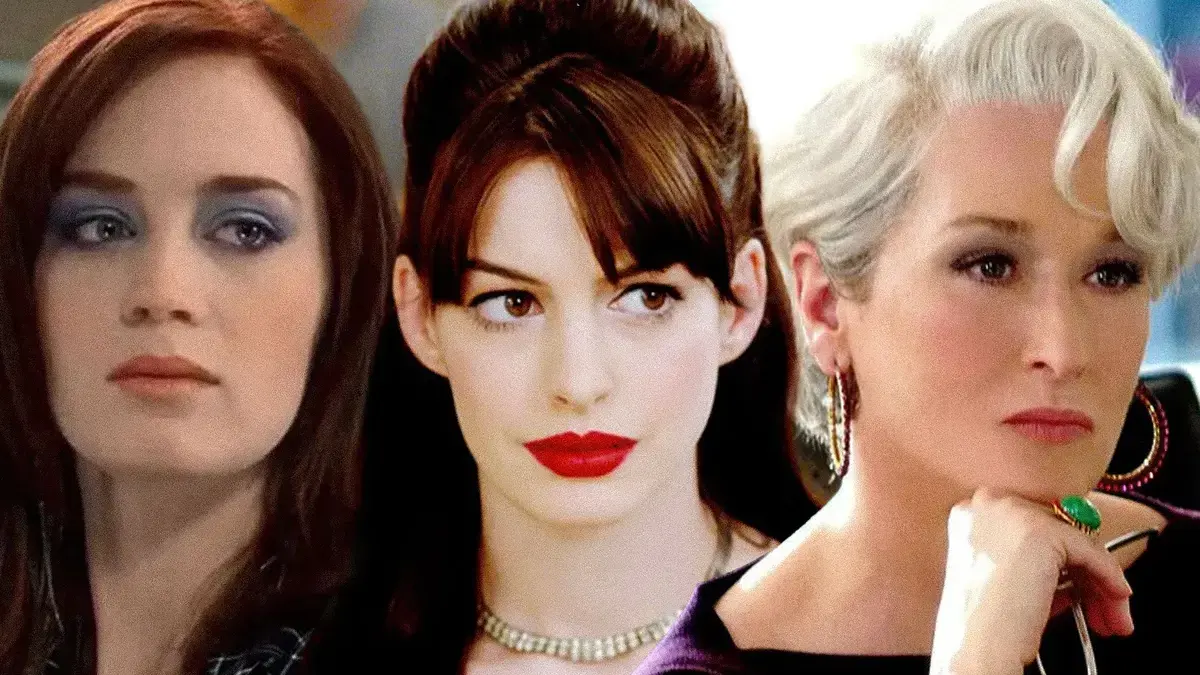
Defining the „Miranda” Aesthetic
The 2006 film The Devil Wears Prada remains a fashion touchstone. Its makeup, crafted by department head Nicki Ledermann, continues to influence beauty trends today. The film showcased distinct looks for its central characters, reflecting their journeys. This impact is still visible two decades later.
Breaking news
 Deadly Glacier and Rock Collapse in Nepal Linked to Climate Warming
 US Congress Passes Sweeping Sanctions Against Russia
 Speaker Johnson Ends House Session Early to Halt Impeachment Effort
 The High-Stakes Fight for Senate Majority Control
Ledermann’s work focused on visually communicating character development. Anne Hathaway’s Andy Sachs began with minimal makeup. This represented her initial naiveté and rejection of the fashion world. As Andy transforms, her makeup evolves. It becomes more polished, mirroring her growing confidence and assimilation. Meryl Streep’s Miranda Priestly, conversely, maintained a flawlessly sculpted and sophisticated appearance. This signaled her power and unwavering control.
Miranda’s makeup was about precision and impact. Ledermann aimed for a look that was strong, yet not trendy. It was classic and timeless, reflecting Miranda’s established authority. The key was flawless skin, defined brows, and a signature red lip. This created a powerful, almost intimidating presence on screen. Ledermann prioritized a natural finish, even with bold color choices. This ensured Miranda always appeared polished, never artificial.
Does Minimal Makeup Still Matter?
The makeup wasn’t about following fleeting fads. It was about reinforcing a character already at the peak of her influence. Ledermann used sculpting techniques to enhance Streep’s natural features. This created a look of effortless sophistication. The red lipstick, a crucial element, was carefully chosen for its specific undertone. It needed to be impactful on camera, yet still appear refined.
Andy’s initial „no-makeup” look was a deliberate choice. It highlighted her authenticity and rejection of superficiality. However, even this required careful consideration. Ledermann used light-reflecting products to create a healthy glow. She subtly concealed imperfections, ensuring Andy appeared fresh and approachable. This demonstrated that even minimal makeup requires skill and attention to detail.
The evolution of Andy’s makeup mirrored her professional growth. As she gained confidence, her look became more defined. She incorporated subtle eyeshadow and blush, enhancing her features without losing her natural appeal. This showcased how makeup can be used to empower and transform, rather than conceal. The film subtly argued that embracing beauty doesn’t necessarily mean sacrificing individuality.
Frequently Asked Questions
The lasting influence of The Devil Wears Prada’s makeup lies in its timelessness. It wasn’t about chasing trends, but about creating iconic looks that defined character. Both Miranda and Andy’s styles remain relevant today. They offer enduring examples of how makeup can be used to tell a story and enhance personality. The film’s beauty choices continue to inspire and resonate with audiences.
What was the biggest challenge in creating the makeup for the film? The main challenge was differentiating the characters visually. Ledermann needed to create looks that reflected each woman’s personality and journey. This required careful planning and a deep understanding of the script.
How did Ledermann ensure the makeup photographed well? She prioritized long-lasting formulas and a natural finish. This was crucial for maintaining consistency throughout filming. She also considered the lighting and camera angles when applying makeup.