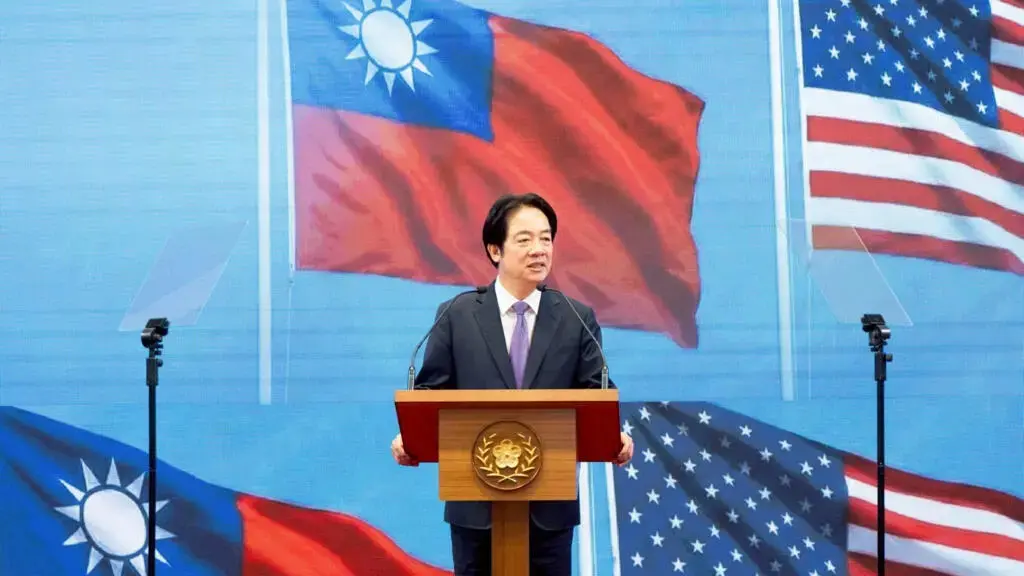
U. S. Arms Sales as a Signal of Support
Taiwan declared itself a „sovereign and independent” nation on Saturday, reaffirming its stance amid U. S. security support. The statement from the island’s foreign ministry followed comments by former President Donald Trump, reigniting debate over Taiwan’s status and American defense commitments.
Breaking news
 Deadly Glacier and Rock Collapse in Nepal Linked to Climate Warming
 US Congress Passes Sweeping Sanctions Against Russia
 Speaker Johnson Ends House Session Early to Halt Impeachment Effort
 The High-Stakes Fight for Senate Majority Control
The remarks emphasized that U. S. arms sales to Taiwan are part of Washington’s long-standing security obligations. Taiwan views these sales as essential for self-defense against growing pressure from China, which claims the island as its territory. The foreign ministry stressed that Taiwan’s sovereignty is non-negotiable and rooted in its democratic governance and independent institutions.
Washington has maintained a policy of unofficial ties with Taiwan while supplying defensive weapons under the Taiwan Relations Act. Recent arms deals, including advanced missile systems and fighter jets, underscore this commitment. While the U. S. does not formally recognize Taiwan as a country, it considers the island vital to regional stability.
Can U. S. Support Override China’s Opposition?
Taiwan’s government said these sales reflect a broader security understanding with the U. S., even as Beijing condemns them as interference. „Our nation’s defense capability is directly tied to peace in the Taiwan Strait,” a ministry spokesperson said.
China has consistently opposed any form of military cooperation between the U. S. and Taiwan, warning it risks escalating tensions. Despite this, American administrations—both Democratic and Republican—have continued arms transfers. Analysts say such moves aim to deter aggression without provoking direct conflict.
Taiwan’s leadership argues that its democratic system and separate governance justify its self-rule. It has never been governed by the People’s Republic of China, though Beijing insists unification is inevitable. The island relies heavily on international partnerships to maintain its de facto independence.
Looking ahead, Taiwan expects continued U. S. military backing, especially as regional tensions persist. However, any shift in American policy could impact cross-strait dynamics. With China increasing military drills near the island, the balance between deterrence and diplomacy remains fragile.
Frequently Asked Questions
What does Taiwan mean by „sovereign and independent”? Taiwan refers to its self-governance, elected leadership, and separate constitution. It operates as a distinct political entity, though few countries officially recognize it as a sovereign state.
Why does the U. S. sell weapons to Taiwan? Under the Taiwan Relations Act, the U. S. provides defensive arms to help Taiwan maintain a credible deterrent. This supports regional stability, even though the U. S. acknowledges Beijing’s position on Taiwan.
How does China respond to U. S.-Taiwan military ties? China strongly opposes such cooperation, calling it a violation of its sovereignty. It regularly conducts military exercises near Taiwan and warns against foreign interference.