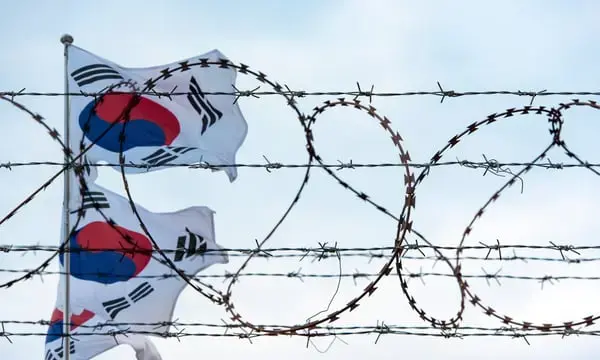
Navigating Nuclear Ambitions
South Korea's ruling party suffered a significant setback in key races, forcing a rethink on the country's nuclear future. The party's failure to secure crucial wins has highlighted the need for a more nuanced approach. This comes as the country considers its nuclear options.
Breaking news
 Greenpeace Investigates Zaporizhzhia Nuclear Plant Power Lines
 Researcher warns strict age limits needed for children on social media
 Hezbollah defends its arsenal amid Lebanese political deadlock
 Can an AI Chatbot Reduce Maternal Deaths in Kenya?
The ruling party's loss underscores the complexity of South Korea's nuclear ambitions, which are driven by security concerns and public opinion. A more considered approach is required, balancing the need for energy security with the risks associated with nuclear power. The country's nuclear future is closely tied to its relationship with North Korea and the global non-proliferation regime.
Can South Korea's Nuclear Plans be Revived?
The setback has raised questions about the viability of South Korea's nuclear plans, with some arguing that the country's energy needs can be met through alternative sources. Others contend that nuclear power is essential for the country's energy security and economic competitiveness. The debate is likely to continue, with the government facing pressure to clarify its nuclear policy.
The ruling party's failure to secure key races has significant implications for South Korea's nuclear future, with a more cautious approach likely. The government will need to navigate the complex landscape of public opinion, security concerns, and international obligations.
What are South Korea's nuclear ambitions? South Korea is considering expanding its nuclear power capacity to meet energy demands and enhance energy security. The plans are driven by concerns over climate change and energy independence.
Frequently Asked Questions
How will the ruling party's setback affect nuclear plans? The loss is likely to slow the pace of nuclear development, with a more cautious approach expected. The government will need to build consensus on its nuclear policy.
What are the implications for energy security? A shift away from nuclear power could increase reliance on imported fossil fuels, potentially undermining energy security. Alternative energy sources will need to be developed to meet demand.