Pastors Feel the Heat
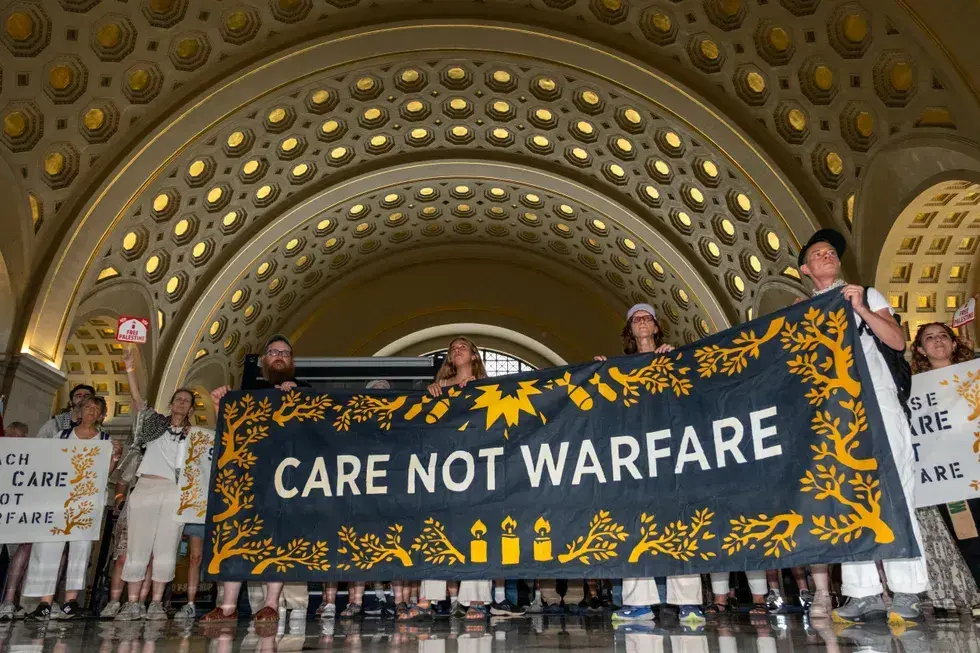
Hundreds of activists from Christians United for Israel gathered on the Capitol steps this week for a multi‑day lobbying push. The group, known as the nation’s largest Zionist organization, arrived in early June to meet lawmakers and policy staff. A United Church of Christ pastor reported that staffers warned her about a possible visit from CUFI members. The warning came as a wave of dissent grows among some Christian denominations.
Breaking news
 Greenpeace Investigates Zaporizhzhia Nuclear Plant Power Lines
 Researcher warns strict age limits needed for children on social media
 Hezbollah defends its arsenal amid Lebanese political deadlock
 Can an AI Chatbot Reduce Maternal Deaths in Kenya?
CUFI’s annual Capitol visit aims to cement political support for Israel and to influence U. S. foreign policy. Organizers say the effort mobilizes a broad coalition of evangelical and mainline churches. Yet an increasing number of clergy view the organization’s stance as a distortion of biblical teachings. They argue that unconditional support for Israeli policy conflicts with Christian principles of justice and peace. The tension reflects a broader cultural shift, as progressive congregations push back against what they call „Christian Zionism.”
Rev. Hannah Sachs, a United Church of Christ minister, told Capitol staff that a warning had been placed on her office door. „You may get a visit later on from people from CUFI,” she said, describing the notice as unsettling. The pastor said her congregation has publicly questioned the moral implications of uncritical support for Israeli settlements. She added that several members have signed petitions calling for a reevaluation of the church’s partnership with CUFI. The warning underscores how lobbying tactics are spilling over into personal ministry spaces.
Why Is Christian Zionism Facing Pushback?
Critics contend that Christian Zionism blurs the line between faith and foreign policy. They point to recent conflicts in Gaza as evidence that blind allegiance can fuel violence. Surveys from religious research groups show a growing split: while 55 % of evangelical voters still back Israel, only 38 % of mainline Protestants do. Scholars suggest that younger believers are more likely to prioritize human rights over geopolitical alliances. This shift is prompting churches to reconsider long‑standing financial ties and public endorsements.
The clash could reshape political advocacy on Capitol Hill. If dissenting churches gain momentum, CUFI may need to adjust its messaging to address ethical concerns. Lawmakers could face pressure to balance pro‑Israel stances with broader human‑rights considerations. For now, the warning to Rev. Sachs serves as a warning sign that religious lobbying is entering a new, more contested arena.
Frequently Asked Questions
What is Christians United for Israel? CUFI is a U. S. nonprofit that promotes strong U. S.–Israel relations, organizes lobbying trips, and mobilizes Christian supporters of Zionist policies.
Why are some churches opposing CUFI’s agenda? They argue that unconditional support for Israel ignores Palestinian rights, conflicts with biblical calls for justice, and risks entangling faith with partisan politics.
Could this religious dispute affect U. S. foreign policy? Potentially. As churches influence voters and legislators, growing criticism of Christian Zionism may lead to more nuanced policy debates in Congress.