Why Expensive Credit Is Driving a Shift to Flexible Funds
Bond investors are turning to flexible „anything” funds as credit market valuations climb. Tasos Vossos of Bloomberg joins Katie Greifeld on the „Bloomberg Real Yield” podcast on July 9, 2026. The discussion highlights how steep credit spreads are reshaping fixed‑income strategies. Market participants seek broader mandates to navigate limited margin for error.
Breaking news
 Greenpeace Investigates Zaporizhzhia Nuclear Plant Power Lines
 Researcher warns strict age limits needed for children on social media
 Hezbollah defends its arsenal amid Lebanese political deadlock
 Can an AI Chatbot Reduce Maternal Deaths in Kenya?
High‑yield bonds have surged in price, compressing spreads and raising the cost of borrowing for riskier issuers. When credit becomes expensive, traditional high‑yield funds face tighter risk buffers. Flexible funds, which can shift across sovereign, corporate, and structured debt, offer a way to chase relative value wherever it appears. Portfolio managers say the approach reduces reliance on a single sector and improves resilience against sudden market moves.
Investors cite the lack of cheap, high‑yield opportunities as a primary catalyst. „We see the market pricing in too much optimism,” Vossos said, noting that many issuers now trade at historically low yields. Flexible funds can move into investment‑grade bonds, emerging‑market debt, or even short‑duration assets when spreads widen. This agility helps preserve capital and capture upside without being locked into a single credit segment. Data from Bloomberg shows that „anything” fund inflows have risen 18 % year‑to‑date, outpacing traditional high‑yield funds.
Can „Anything” Funds Deliver Returns in a Tight Credit Market?
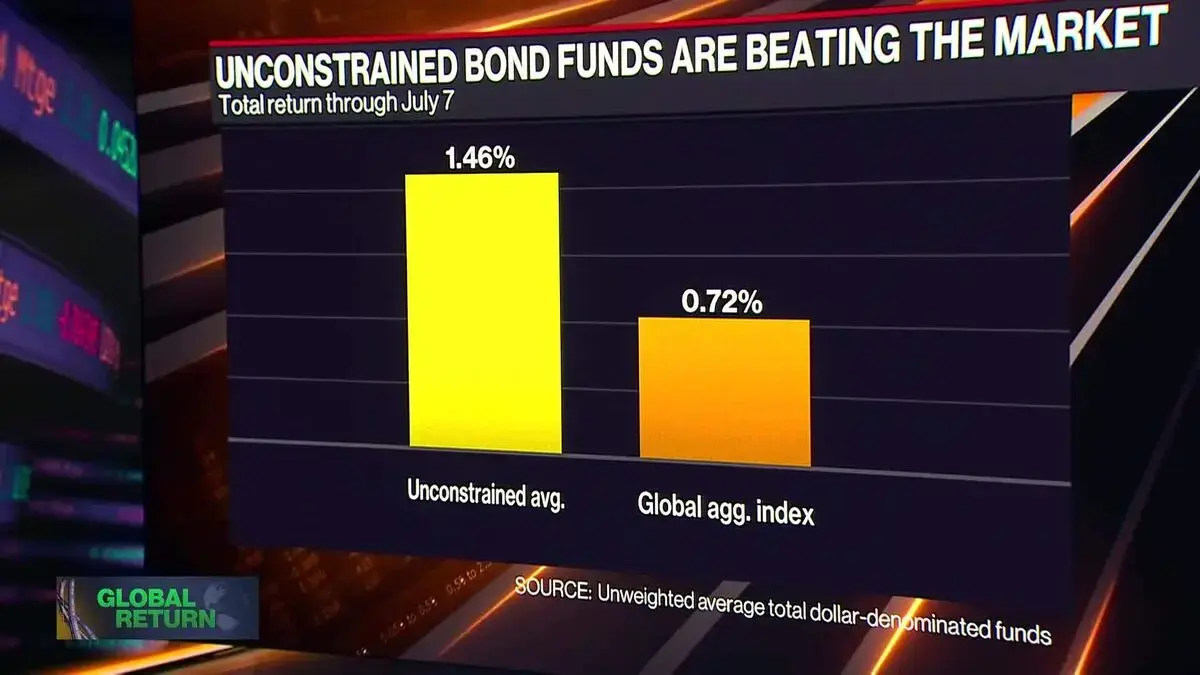
The answer hinges on manager skill and market timing. Critics argue that broader mandates may dilute expertise, leading to average performance. Proponents counter that diversified exposure smooths volatility and opens doors to niche opportunities, such as distressed debt or private placements. Recent fund performance indicates a modest outperformance of 1.2 percentage points over the past six months compared with pure high‑yield indices. As credit spreads fluctuate, fund managers must balance risk‑adjusted returns with liquidity needs.
Looking ahead, the credit landscape is likely to stay elevated amid tightening monetary policy and heightened default risk. Flexible funds may become a mainstay for investors seeking yield without excessive concentration. However, success will depend on disciplined risk management and the ability to pivot quickly as market conditions evolve. Stakeholders should monitor spread movements and fund allocations closely to gauge future performance.
Frequently Asked Questions
What defines an „anything” fund? An „anything” fund is a flexible investment vehicle that can allocate capital across a wide range of fixed‑income assets, from sovereign bonds to high‑yield corporate debt, based on market opportunities.
How do higher credit spreads affect fund returns? Higher spreads increase borrowing costs for riskier issuers, narrowing profit margins for traditional high‑yield funds. Flexible funds can mitigate this by shifting to assets with better risk‑adjusted prospects.
Are „anything” funds riskier than traditional high‑yield funds? Risk levels vary by manager. While broader mandates can dilute sector expertise, they also spread risk across multiple credit types, potentially lowering overall volatility compared with single‑sector funds.