Why the Pope Challenged Claims of ' Fake News'
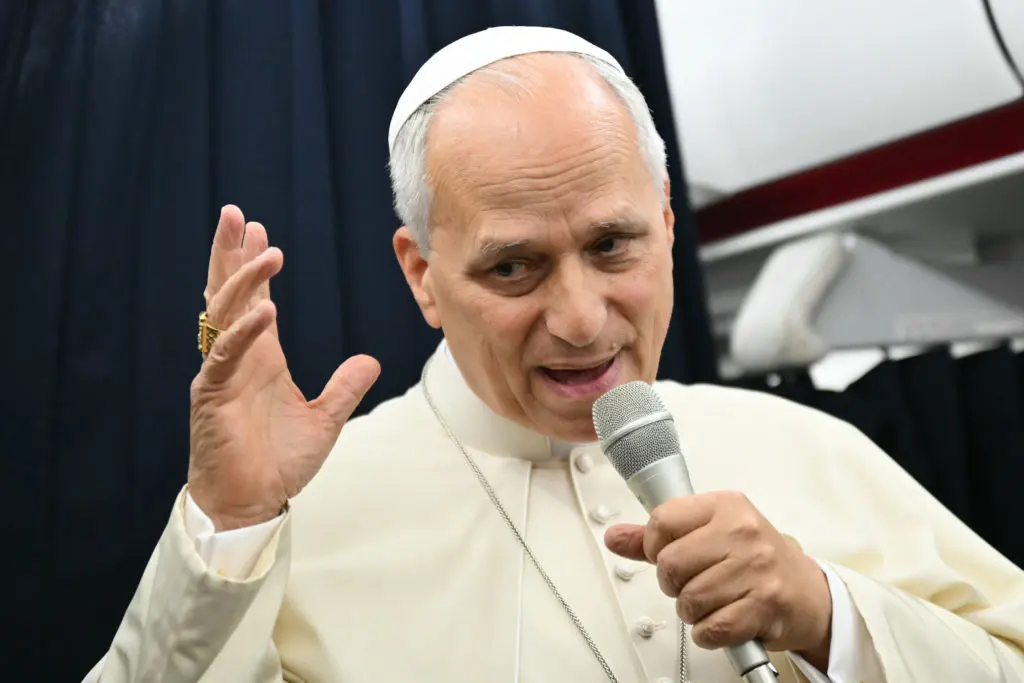
Pope Leo XIV pushed back Monday against former U. S. President Donald Trump's suggestion that worries about artificial intelligence risks are fabricated, calling such concerns legitimate during a press briefing aboard the papal flight. The pontiff's remarks came as the Vatican continues advocating for ethical oversight of emerging technologies.
Breaking news
 Trump Rejects AI Safety Measures Amid China Competition
 Behavioral Health and the Justice System: Accreditation and Continuity-of-Care Standards for Justice-Involved Individuals
 Britney Spears Dazzles in Bold Lingerie Shoot
 South Korea Weighs Strong Response After DMZ Landmine Blast
Speaking to reporters traveling with him from Castel Gandolfo, the pope emphasized that fears surrounding AI's potential harm are not baseless speculation but real issues requiring thoughtful dialogue. He did not directly name Trump but clearly rejected the idea that AI safety discussions amount to misinformation.
Leo highlighted the moral responsibility of leaders and developers to consider how AI systems impact human dignity, especially in areas like warfare, surveillance, and employment. „We cannot ignore the consequences of creating technologies that may surpass human control,”he said, echoing themes from his recent encyclicals on technology ethics.
The Vatican has long called for international cooperation to regulate AI, aligning with broader Catholic teaching on protecting vulnerable populations. Last year, the pope met with tech executives and urged them to prioritize transparency and accountability in algorithmic design.
Can AI Development Be Ethically Guided?
While acknowledging AI's promise in fields like medicine and education, Leo cautioned against rushing into deployment without safeguards. He cited examples of biased hiring tools and autonomous weapons as evidence that unchecked innovation can deepen inequality and threaten peace.
His stance contrasts with Trump's repeated dismissals of AI risks, including comments made during campaign events where he labeled critics as spreading „fake news.”The former president has often downplayed regulatory proposals, arguing they stifle American competitiveness.
Looking ahead, the Vatican plans to host a global summit next spring bringing together faith leaders, scientists, and policymakers to draft ethical guidelines for AI governance. Experts say Leo's intervention could influence Catholic-majority nations weighing legislation on facial recognition and data privacy.
Frequently Asked Questions
As debates intensify ahead of national elections worldwide, the pope's message underscores growing pressure on political figures to address public anxiety over AI's societal effects rather than dismissing it.
Is the Vatican actively involved in AI policy discussions? Yes, the Vatican has consistently advocated for ethical AI frameworks through its Pontifical Academy of Sciences and diplomatic channels, engaging with both tech companies and governments.
What specific AI risks did Pope Leo mention? He pointed to autonomous weapons, invasive surveillance, and job displacement as key concerns that demand urgent moral reflection and international coordination.
How does this relate to Trump's position? Trump has repeatedly characterized AI safety warnings as exaggerated or politically motivated, whereas Leo affirmed their validity, marking a notable divergence between religious and political leadership.