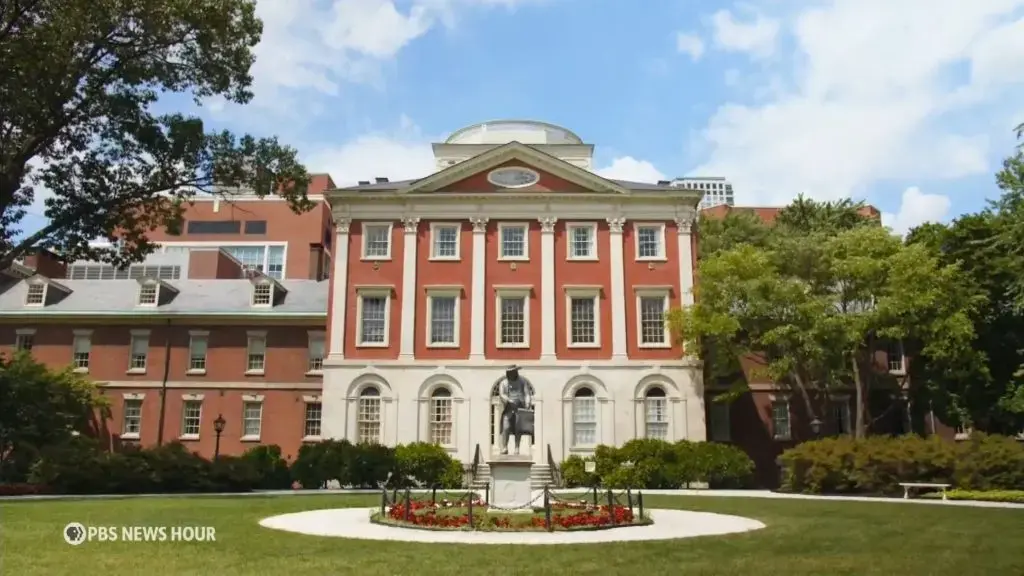
A Living Archive Within a Working Hospital
The Pennsylvania Hospital, founded in 1751, has opened a museum within its historic Philadelphia campus. The museum debuted on June 24, 2026, and seeks to chronicle the evolution of American medicine and public health. It offers visitors a glimpse into centuries of clinical practice, research, and patient care under one roof.
Breaking news
 Greenpeace Investigates Zaporizhzhia Nuclear Plant Power Lines
 Researcher warns strict age limits needed for children on social media
 Hezbollah defends its arsenal amid Lebanese political deadlock
 Can an AI Chatbot Reduce Maternal Deaths in Kenya?
The new exhibition space occupies the original 18th‑century building that once housed the nation’s first infirmary. Curators gathered artifacts from the hospital’s extensive archives, including surgical instruments, patient registers, and early vaccination records. The project was funded by a partnership of private donors, state grants, and the hospital’s own endowment, reflecting a commitment to preserve the story of health care in the United States. „Our goal is to let the public walk through the corridors where medicine was born,” said Dr. Elena Morales, chief historian of the museum.
While the museum showcases relics, the hospital continues to treat patients in modern facilities adjacent to the historic wing. Visitors can observe a preserved operating theater from the 1800s, complete with original lighting fixtures and a wooden operating table. Interactive displays illustrate how anesthesia transformed surgery in the mid‑19th century, and a digital timeline tracks the hospital’s role in the fight against epidemics such as yellow fever and influenza. Staff members often share anecdotes about the building’s past, linking past breakthroughs to present‑day practices. „Seeing the evolution of our tools reminds us that innovation is a constant,” noted senior surgeon Dr. Michael Lee.
Why Does Preserving This History Matter?
Preserving the hospital’s legacy offers more than nostalgia; it provides valuable lessons for contemporary health policy. Researchers can study early public‑health interventions documented in the hospital’s archives, informing responses to modern pandemics. Educational programs now use the museum as a teaching resource for medical students, emphasizing the ethical foundations laid by early physicians. Community leaders also view the museum as a cultural asset that strengthens Philadelphia’s identity as a cradle of American medicine.
The museum’s opening marks a new chapter for the nation’s oldest hospital, blending heritage with ongoing health services. As the institution looks ahead, it plans to expand digital access to its collections, allowing scholars worldwide to explore rare documents. By safeguarding its past, the hospital hopes to inspire future generations of caregivers and innovators.
Frequently Asked Questions
What can visitors expect to see at the museum? Guests will encounter original surgical tools, period patient records, a reconstructed 19th‑century operating room, and interactive exhibits that trace medical milestones.
Is the museum open to the public daily? The museum operates Tuesday through Sunday, 10 a.m. to 5 p.m., with free admission for students and discounted rates for seniors.
How does the museum support medical education? It offers guided tours for medical students, hosts lectures on historical health topics, and provides digital archives for research projects.