Anthropic was singled out because its servers are hosted in jurisdictions with
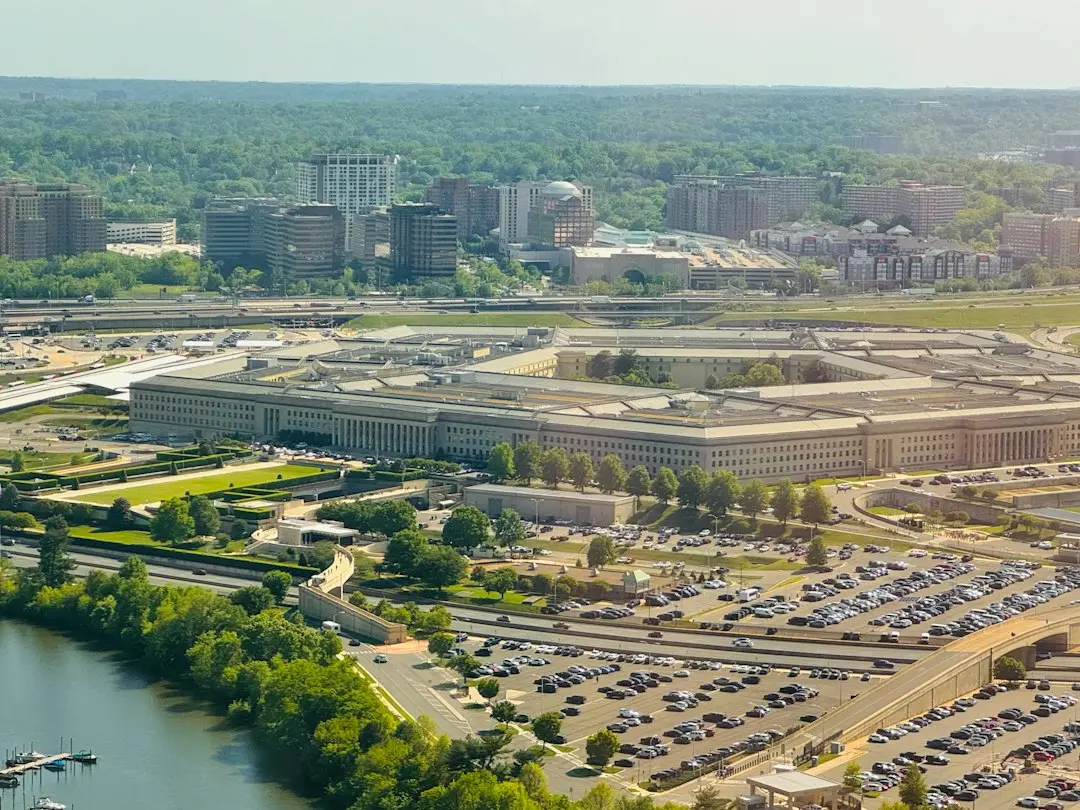
The U. S. Department of Defense announced today that it will no longer employ tools from Anthropic, a leading artificial‑intelligence firm. The decision follows the Pentagon’s earlier designation of Anthropic as a „supply‑chain risk” in February, prompting a formal ban on the company’s products. The move was confirmed by a senior Pentagon official during a briefing in Washington, D. C., and was reported by Reuters. The blacklisting came after concerns grew over Anthropic’s data handling practices and its close ties to the U. S. intelligence community. Defense Secretary Pete Hegseth publicly criticized Anthropic’s chief executive, Dario Amodei, for alleged lapses in security protocols. As a result, the Pentagon has halted all contracts and pilot projects involving Anthropic’s language models, citing the need to protect national security interests. Why Was Anthropic Declared a Supply‑Chain Risk?
Breaking news
 Former German Intelligence Chief Faces Espionage Charges
 American Educator Analyzes French Student Demonstrations
 Massive Protests Erupt Across France Over Educational Funding Shortfalls
 French students and teachers protest inadequate school resources
In February, the Pentagon released a memorandum listing several AI vendors that posed potential vulnerabilities.
Anthropic was singled out because its servers are hosted in jurisdictions with less stringent data‑protection laws, and because the firm’s algorithms are believed to be accessible to foreign entities. The department cited „inadequate safeguards” and a lack of transparency in Anthropic’s data‑processing pipeline. The blacklisting was intended to prevent any accidental leakage of classified information through third‑party AI services. How Will the Defense Sector Adapt to the Loss of Anthropic’s Tools? The Pentagon has already begun transitioning to alternative AI providers that meet its security standards. Internal teams are evaluating models from companies such as OpenAI, Microsoft, and Google, all of which have established compliance frameworks for defense use. Additionally, the department is investing in developing its own in‑house AI capabilities to reduce dependence on external vendors.
Analysts predict that this shift could accelerate the defense sector’s move toward more secure, proprietary AI solutions.
The decision may also influence other government agencies. As the federal government continues to scrutinize AI vendors, more agencies could follow the Pentagon’s lead, potentially reshaping the market for AI services in the public sector. Frequently Asked Questions What does „supply‑chain risk” mean in this context? It refers to the possibility that a vendor’s infrastructure could allow unauthorized access to sensitive data, either through cyber‑attacks or third‑party connections. Will the Pentagon still use AI tools from other private companies? Yes, the department will continue to use AI services from vetted providers that meet its security criteria. Could this ban affect Anthropic’s commercial operations? The ban is limited to defense contracts; it does not prohibit Anthropic from serving commercial customers.
