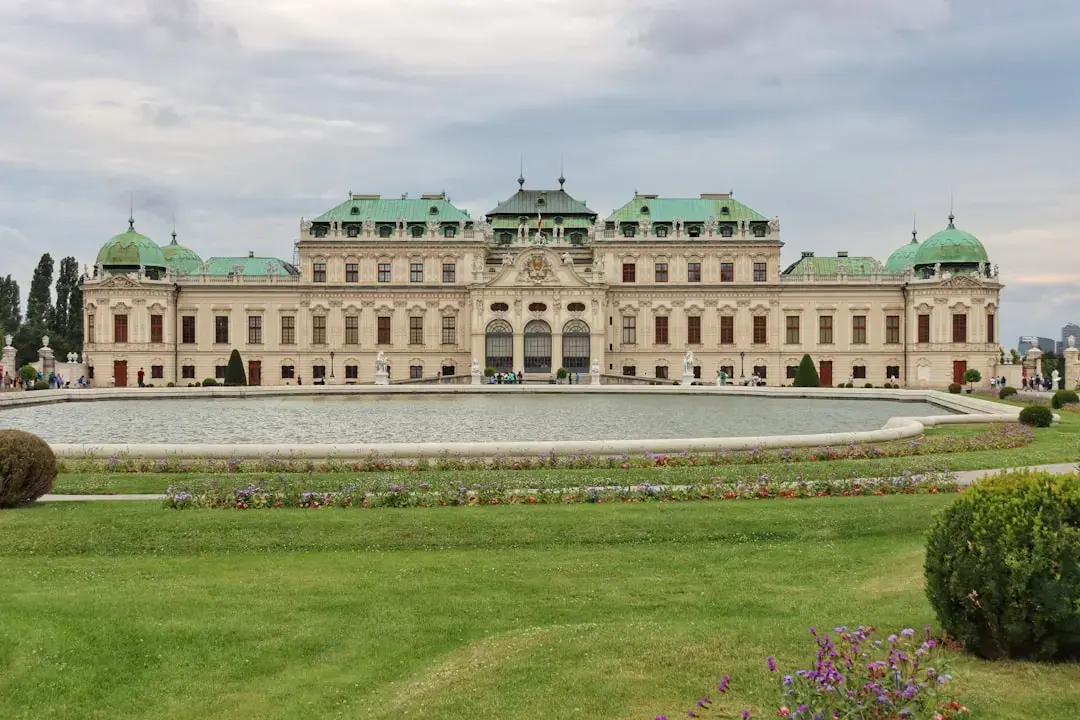
A Palace as a Silent Witness
Ayse Osmanoglu, a direct descendant of two Ottoman sultans, released a memoir that draws on family stories to recount the 1908 Young Turk revolution. The book, set against the backdrop of Istanbul’s historic Çırağan Palace, blends personal recollection with political analysis, offering fresh insight into a pivotal moment in Turkish history.
Breaking news
 Greenpeace Investigates Zaporizhzhia Nuclear Plant Power Lines
 Researcher warns strict age limits needed for children on social media
 Hezbollah defends its arsenal amid Lebanese political deadlock
 Can an AI Chatbot Reduce Maternal Deaths in Kenya?
Osmanoglu’s narrative emerges from interviews with elderly relatives who lived through the empire’s final years. Their testimonies reveal how palace corridors echoed with dissent, how reformist officers plotted change, and how ordinary courtiers navigated shifting loyalties. By anchoring the revolution in intimate settings, the author illustrates why the Young Turks’ push for constitutional governance resonated beyond the political elite.
Çırağan Palace, once a summer retreat for Ottoman royalty, became an unlikely stage for revolutionary discourse. Osmanoglu describes how secret meetings unfolded in its marble halls, where officers whispered about restoring parliamentary rule. „The palace walls absorbed every hope and fear,” she writes, recalling a grandfather’s recollection of a midnight gathering.
Why Does the Young Turk Story Matter Today?
The book also details how the palace’s opulent décor contrasted sharply with the reformers’ modest aspirations. While sultanic ceremonies continued, the Young Turks pressed for a modern legal framework, inspired by European constitutional models. Their efforts culminated in the declaration of the Second Constitutional Era, ending absolute monarchy and introducing a parliament that promised broader representation.
The 1908 uprising set the stage for Turkey’s eventual transition to a republic, shaping national identity and secular reforms. Osmanoglu argues that understanding the personal dimensions of this revolt helps explain contemporary debates over democracy and military influence. „When families remember the courage of their ancestors, they preserve a legacy of civic participation,” she notes.
Modern Turkish politics still grapples with the balance between tradition and reform, echoing the dilemmas faced by the Young Turks. By revisiting the palace’s hidden narratives, the book encourages readers to reflect on how historic compromises continue to inform present governance.
The memoir’s release has sparked renewed scholarly interest in Ottoman archives and oral histories. Historians anticipate that Osmanoglu’s method—blending familial memory with archival research—will inspire similar projects across the region. As Turkey navigates its democratic trajectory, the book serves as a reminder that personal stories can illuminate broader societal shifts.
Frequently Asked Questions
What new sources does the book rely on? Osmanoglu draws from recorded family interviews, private letters, and diaries preserved by her relatives, supplementing them with public Ottoman documents.
How does the author connect the palace setting to the revolution? She uses the palace as a metaphor for the empire’s grandeur and its internal contradictions, showing how reformist ideas emerged within its walls.
Will the book influence current political discourse? While primarily historical, its emphasis on civic engagement and constitutional change resonates with ongoing debates about Turkey’s democratic future.