Reparations Redefined as Discrimination?
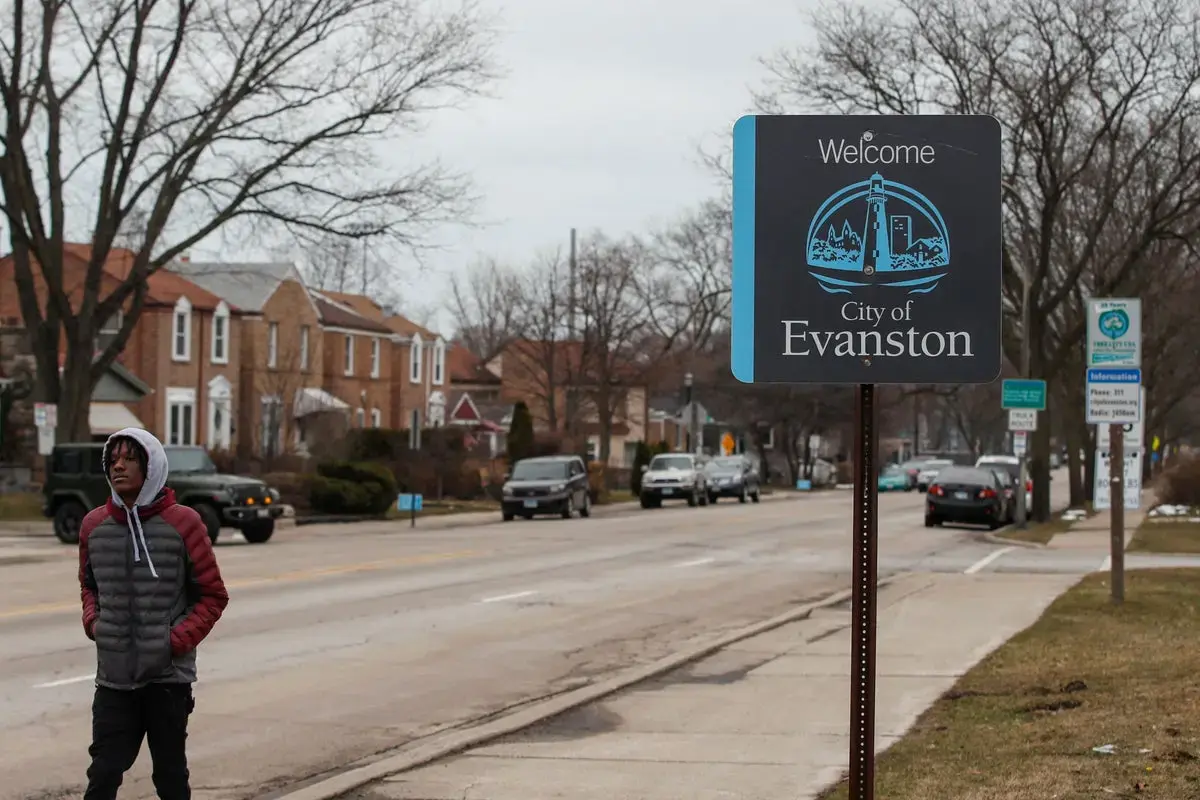
The US Justice Department under Trump has made a surprising claim that paying reparations to individuals who experienced racial discrimination is itself racially discriminatory. A suburb near Chicago, Evanston, made headlines in the US for being the first to make such payments.
Breaking news
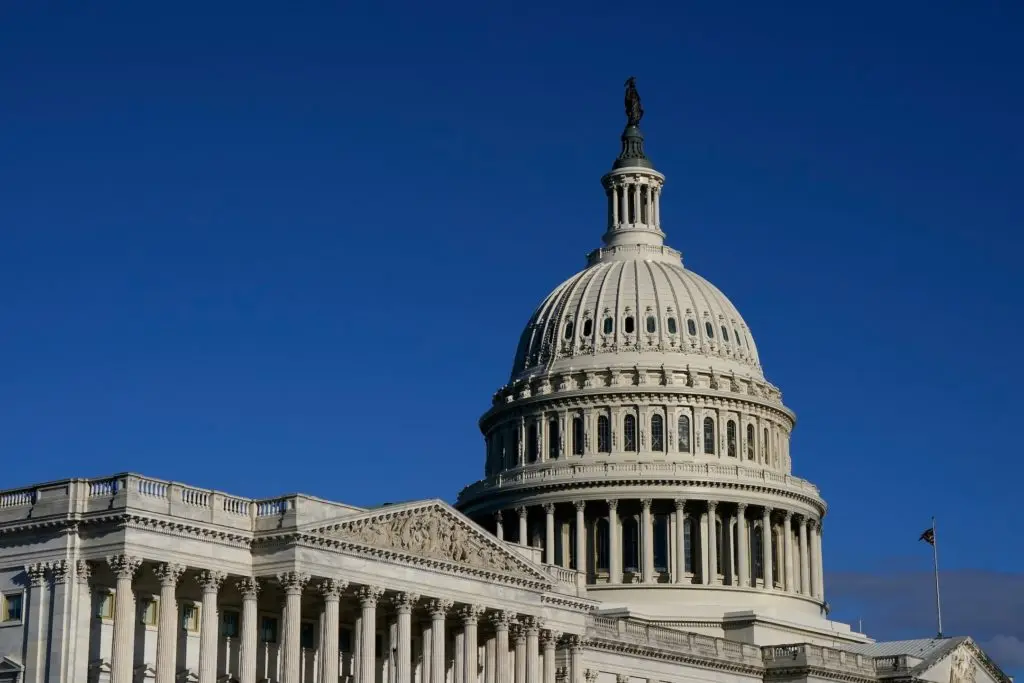 Legislative Tensions Rise as Congress Returns to Washington
 EU Report Finds Russian Network Used Social Media to Blame French Riots on Immigration
 Victims Detail Lifelong Impact of Russell Brand's Crimes in Court
 Advent 2026 Calendars Offer Daily Surprises for Every Interest
Evanston's reparations program was established to compensate black residents for historical injustices, including housing discrimination. The suburb allocated $400,000 in reparations to eligible residents, sparking controversy nationwide.
Can Reparations be Justified?
The Justice Department's claim is based on the argument that providing reparations exclusively to black residents constitutes racial discrimination against other groups. Critics argue that this interpretation undermines efforts to address historical injustices.
The Evanston reparations program is part of a broader movement to address systemic racism in the US. Proponents argue that reparations are a necessary step towards rectifying historical wrongs.
Opponents of the Justice Department's claim argue that reparations are not discriminatory, as they aim to address specific historical injustices faced by black Americans. They point out that the program is designed to compensate individuals who suffered directly as a result of discriminatory policies.
Frequently Asked Questions
The Justice Department's claim has significant implications for the future of reparations programs in the US. If upheld, it could set a precedent that limits the ability of cities and states to address historical injustices.
What is the basis of the Justice Department's claim? The department argues that providing reparations exclusively to black residents is discriminatory. Are reparations programs common in the US? No, Evanston's program is the first of its kind in the US. What are the potential consequences of the Justice Department's claim? It could limit the ability of cities and states to establish reparations programs.