Why Central Asian Firms Are Considering Hong Kong
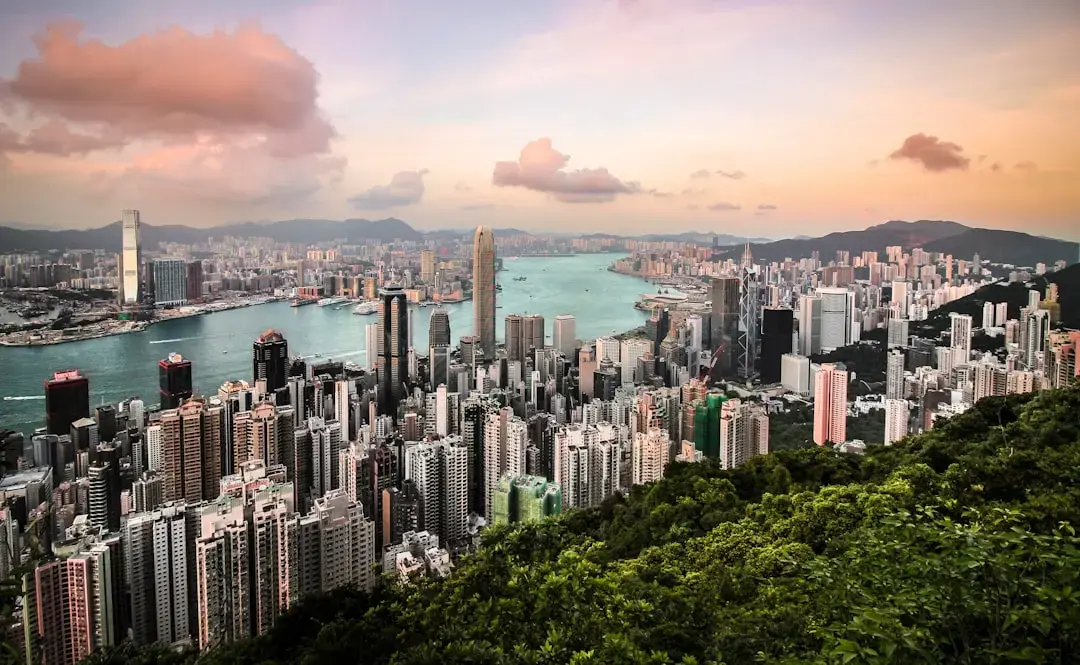
Hong Kong's financial secretary Paul Chan says several state-owned infrastructure companies from Central Asia plan to list their shares in the city, seeking to expand the exchange's international reach. The initiative reflects Hong Kong's strategy to diversify its listings beyond traditional markets and tap into growing economies in the region. Chan made the remarks during a recent interview, highlighting ongoing discussions with potential issuers from countries such as Kazakhstan and Uzbekistan. He emphasized that Hong Kong's regulatory framework and access to global capital make it an attractive venue for these firms. The move aligns with broader efforts to strengthen the city's position as a leading international financial center amid shifting global investment flows.
Breaking news
 Deadly Glacier and Rock Collapse in Nepal Linked to Climate Warming
 US Congress Passes Sweeping Sanctions Against Russia
 Speaker Johnson Ends House Session Early to Halt Impeachment Effort
 The High-Stakes Fight for Senate Majority Control
Central Asian state-owned enterprises are increasingly looking overseas for funding to support large-scale infrastructure projects, including energy, transportation, and utilities. Hong Kong offers a familiar legal system based on common law, deep liquidity pools, and strong connectivity to both mainland Chinese and international investors. Chan noted that many of these companies value the transparency and efficiency of Hong Kong's listing process, which can help them access capital at competitive rates. He also pointed out that successful listings could enhance the firms' global profiles and improve governance standards. The interest comes as regional governments seek to modernize aging infrastructure and attract foreign expertise.
What Challenges Might These Listings Face
Despite the optimism, Chan acknowledged potential hurdles, including differing accounting standards, political risk perceptions, and the need for investor education about less familiar markets. He said Hong Kong regulators are working closely with exchanges and underwriters to ensure proper due diligence and disclosure. Currency fluctuations and geopolitical tensions could also affect investor sentiment, particularly given the region's proximity to Russia and China. Chan stressed that any listing would require compliance with Hong Kong's strict listing rules, including corporate governance and ongoing reporting obligations. He added that the Stock Exchange of Hong Kong is prepared to support issuers through the process with tailored guidance.
Which sectors are most likely to pursue listings in Hong Kong? Infrastructure sectors such as energy, transport, and utilities are leading the interest, as these require significant long-term financing that Hong Kong's capital markets can provide.
Frequently Asked Questions
Will these listings be open to retail investors? Yes, provided the companies meet all listing requirements, their shares would be available to both institutional and retail investors through the standard trading channels on the Hong Kong Exchange.
How does this initiative fit into Hong Kong's broader financial strategy? Attracting new listings from emerging markets supports Hong Kong's goal of maintaining its competitiveness as a global fundraising hub, especially as it seeks to reduce reliance on any single region or sector.