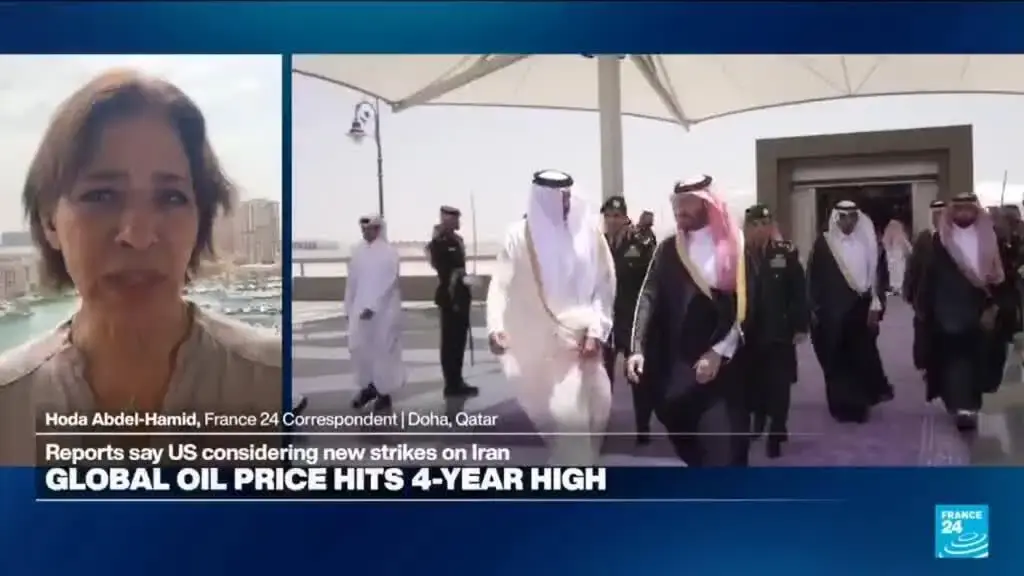
Energy Security at Stake
The Gulf region is heavily reliant on oil exports, making stability in international relations crucial. A potential conflict between the US and Iran could jeopardize energy supplies, leading to economic repercussions not only for Gulf states but also for global markets. The mediation efforts are seen as a proactive measure to ensure that both countries can find common ground.
Breaking news
 Deadly Glacier and Rock Collapse in Nepal Linked to Climate Warming
 US Congress Passes Sweeping Sanctions Against Russia
 Speaker Johnson Ends House Session Early to Halt Impeachment Effort
 The High-Stakes Fight for Senate Majority Control
Can Diplomacy Prevail in a Tense Environment?
Officials from various Gulf nations have been discreetly engaging with both Washington and Tehran. Their goal is to facilitate dialogue and encourage a return to negotiations that could ease tensions. The urgency of this intervention is underscored by the ongoing volatility in the global energy market.
Despite the challenges, there is a glimmer of hope for a diplomatic solution. Recent talks have indicated a willingness on both sides to explore avenues for de-escalation. However, skepticism remains regarding the sincerity of each party's intentions.
The Gulf nations' involvement could be pivotal in bridging the gap between the two powers. Their unique position allows them to advocate for stability while also addressing their own energy security concerns. As mediators, they may help create a framework for dialogue that has been lacking.
Frequently Asked Questions
In the long term, the consequences of successful mediation could lead to a more stable Middle East, with improved relations between the US and Iran. This would not only benefit the Gulf states but also contribute to a more secure global energy market.
What role do Gulf countries play in US-Iran negotiations? Gulf nations are acting as mediators, encouraging dialogue between the US and Iran to prevent potential conflict and ensure energy security.
Why is energy security a concern for the Gulf states? The Gulf states depend on oil exports, making them vulnerable to disruptions caused by geopolitical tensions. Stability in US-Iran relations is crucial for their economic well-being.