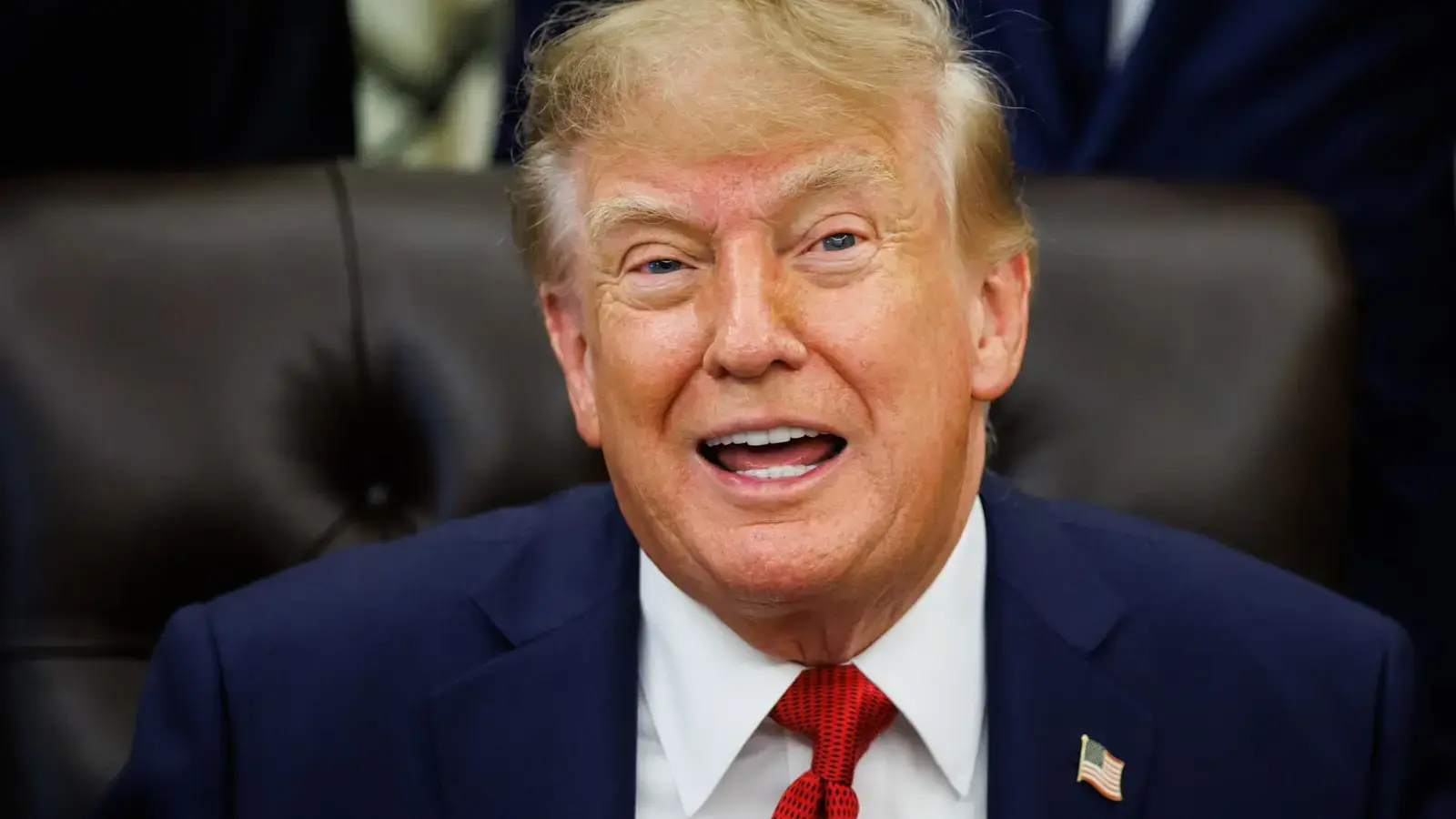
Legal Arguments Center on Executive Discretion Over Press Access
The Department of Justice urged a federal judge to uphold President Donald Trump’s complete exclusion of three news organizations from White House press briefings, arguing that access to the presidential complex is a privilege granted at the administration’s discretion, not a constitutional right. The filing came in response to a lawsuit challenging the ban as unlawful and discriminatory.
Breaking news
 Trump Rejects AI Safety Measures Amid China Competition
 Behavioral Health and the Justice System: Accreditation and Continuity-of-Care Standards for Justice-Involved Individuals
 Britney Spears Dazzles in Bold Lingerie Shoot
 South Korea Weighs Strong Response After DMZ Landmine Blast
The Justice Department maintained that Trump’s decision to bar the outlets stemmed from legitimate national security concerns, asserting that the administration has broad authority to determine who may enter secure government spaces based on perceived risks to safety or operational integrity. Officials emphasized that no media organization has an automatic entitlement to White House access, and that such decisions fall within the executive branch’s purview to manage its internal affairs.
How Might This Ruling Affect Future Media-Government Relations?
DOJ lawyers contended that the plaintiffs failed to demonstrate a clear legal violation, insisting that the president’s actions were neither arbitrary nor retaliatory but grounded in safeguarding sensitive information and personnel. They cited past precedents where administrations limited press entry during heightened security periods, arguing that judicial intervention would improperly intrude on executive functions. The department also rejected claims that the ban violated the First Amendment, stating that while freedom of the press is protected, it does not guarantee unfettered access to all government facilities.
A ruling in favor of the administration could establish a significant precedent, potentially empowering future presidents to restrict press access more freely under the banner of security or operational needs. Critics warn this might erode transparency and enable selective exclusion of critical voices, while supporters argue it preserves necessary flexibility in managing White House operations. The outcome may influence how courts balance press freedoms against executive authority in national security contexts.
Why did the Trump administration ban these three specific news outlets? The Justice Department stated the ban was motivated by national security concerns, though it did not detail specific threats or evidence linking the outlets to risks, asserting that such judgments reside with the executive branch.
Frequently Asked Questions
Does the First Amendment require the White House to grant press access? No, the DOJ argued that while the First Amendment protects press freedom, it does not create a right to enter government buildings, and access remains a discretionary privilege subject to administrative judgment.
What could happen if the judge sides with the administration? If the court upholds the ban, it may reinforce the executive’s authority to control press entry, potentially shaping future administrations’ approach to media relations and prompting renewed debate over the limits of press access in secure environments.