Geopolitical Tensions and Market Reactions
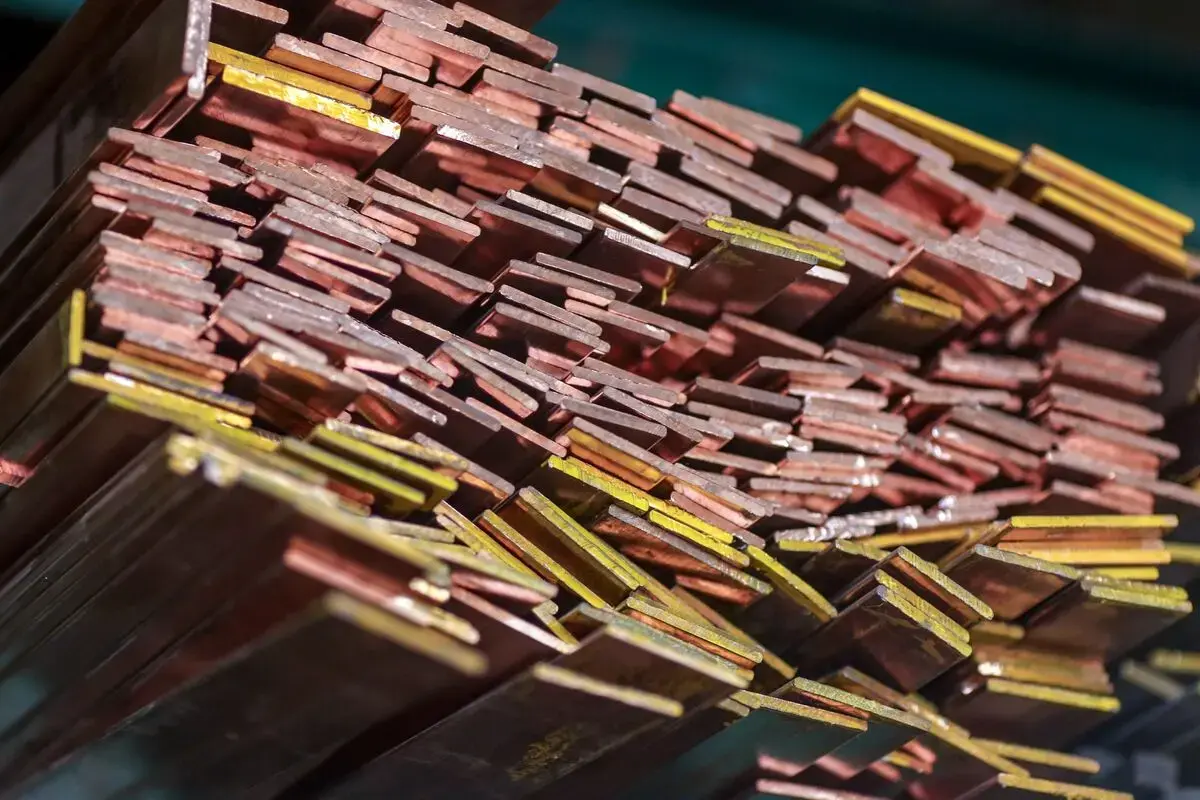
Copper prices are holding steady, nearing record levels following U. S. President Donald Trump's rejection of Iran's proposed peace plan. This development has implications for global markets, particularly in the metals sector.
Breaking news
 Greenpeace Investigates Zaporizhzhia Nuclear Plant Power Lines
 Researcher warns strict age limits needed for children on social media
 Hezbollah defends its arsenal amid Lebanese political deadlock
 Can an AI Chatbot Reduce Maternal Deaths in Kenya?
The copper market has seen significant fluctuations recently, primarily influenced by geopolitical tensions. Trump's decision to dismiss Iran's peace proposal has raised concerns about potential instability in the Middle East, which could affect copper supply chains. As a critical component in various industries, including construction and electronics, copper's price movements are closely monitored by investors.
Copper prices have remained resilient, hovering just below their highest closing figures. Analysts suggest that the ongoing uncertainties surrounding U. S.-Iran relations contribute to this stability. The metal is often viewed as a barometer for economic health, and its price reflects both current demand and future expectations.
What’s Next for Copper Prices?
Recent data indicates that copper inventories are low, while demand remains robust, particularly from China. As the world's largest consumer of copper, China's economic activities significantly impact global pricing. The interplay between geopolitical events and economic indicators will likely continue to shape the market.
With the current geopolitical landscape, questions arise about how long copper can maintain its high prices. If tensions escalate further, we may see increased volatility in the market. Conversely, if diplomatic efforts resume or stabilize, prices could adjust accordingly.
Market analysts are closely watching developments in the Middle East and their potential implications for copper supply. The ongoing trade dynamics between major economies, especially between the U. S. and China, will also play a critical role in future price movements.
Frequently Asked Questions
In conclusion, the rejection of Iran's peace plan by President Trump has significant ramifications for copper prices. Investors should remain vigilant as geopolitical tensions and economic indicators continue to evolve.
Why are copper prices so high right now? Copper prices are elevated due to low inventories and strong demand, particularly from China. Geopolitical tensions also contribute to market uncertainty.
How does geopolitical instability affect copper prices? Geopolitical instability can disrupt supply chains, leading to concerns about availability. This uncertainty often drives prices higher as investors seek to hedge against potential shortages.