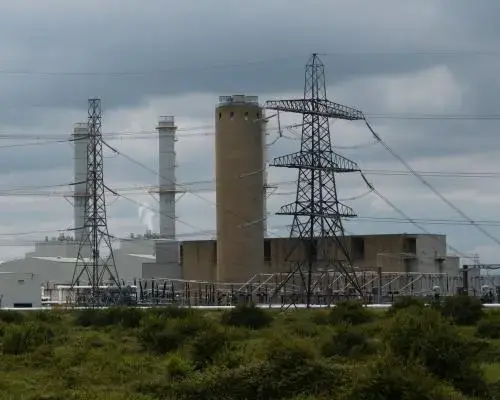
Why Small Plants Are Harder to Protect
Hundreds of Britain’s smallest power plants could remain vulnerable to state-sponsored cyber-attacks until the 2030s, despite a recent breach linked to Iran that disrupted operations last month. Energy officials confirmed the incident involved a small gas-fired facility that was shut down for four days, highlighting gaps in current cyber defences for decentralised energy assets. The breach was disclosed to industry leaders this week as part of a broader effort to assess risks across the national grid’s smaller generators.
Breaking news
 Deadly Glacier and Rock Collapse in Nepal Linked to Climate Warming
 US Congress Passes Sweeping Sanctions Against Russia
 Speaker Johnson Ends House Session Early to Halt Impeachment Effort
 The High-Stakes Fight for Senate Majority Control
The hack, attributed to Iranian state-backed actors, exploited weaknesses in remote monitoring systems used by dozens of minor power sites across the UK. These plants, often operated by local authorities or private firms with limited IT resources, are not covered by the same stringent security rules as major power stations. Government plans to strengthen cyber resilience for such facilities are not expected to be fully implemented before 2030, leaving them exposed in the interim. Experts warn that repeated attacks could disrupt local energy supplies and erode public trust in the grid’s reliability.
Can Current Defences Stop Future Attacks?
Smaller power generators frequently rely on outdated software and third-party contractors for maintenance, increasing their exposure to cyber threats. Unlike large plants, they often lack dedicated security teams or real-time intrusion detection systems. The recent hack demonstrated how attackers can pivot from administrative networks to operational technology, potentially causing physical shutdowns. Industry representatives noted that many sites still use default passwords or unencrypted communication channels, making them easy targets. Upgrading these systems requires significant investment and coordination across numerous small operators, slowing progress despite growing awareness of the threat.
Existing cybersecurity guidelines for energy infrastructure focus primarily on large-scale facilities, leaving smaller plants with fragmented advice and limited funding options. While the National Cyber Security Centre has issued general recommendations, mandatory standards for sites under 50 megawatts remain under development. Operators say they need clearer timelines and financial support to implement essential upgrades like network segmentation and multi-factor authentication. Without urgent action, the UK risks creating a two-tier system where only the largest plants are adequately protected against evolving cyber threats from hostile states.
How long was the affected power plant offline? The unnamed small gas power plant was shut down for four days following the Iran-linked cyber breach last month, according to officials who briefed energy bosses on the incident.
Frequently Asked Questions
Why are small power plants more vulnerable to cyber attacks? Small plants often lack dedicated IT security teams, use outdated systems, and rely on third-party contractors, making them easier targets compared to major facilities with stronger defences.
What is being done to improve cyber resilience for these sites? Government plans to enhance cyber security for smaller power plants are not expected to be fully implemented until the 2030s, leaving them at heightened risk in the meantime.