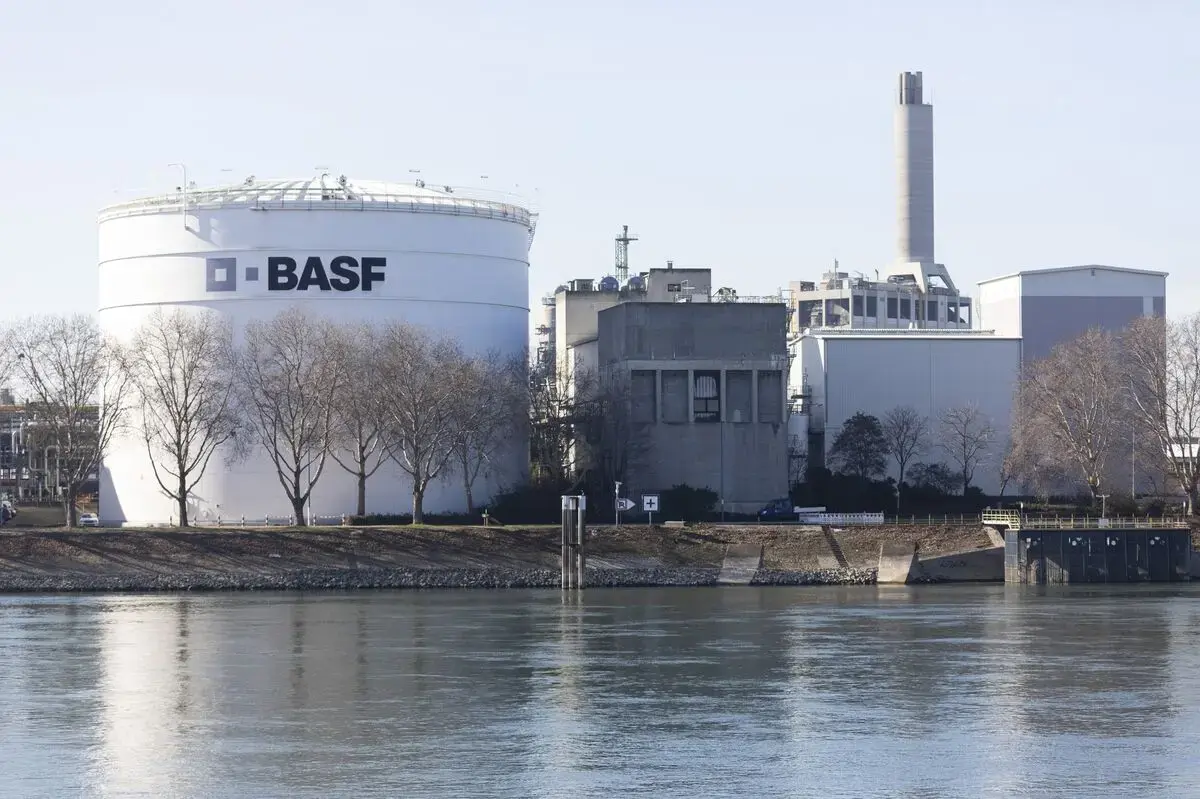
Aurelius’ Strategy and the Coatings Market
Financial institutions are now selling approximately €1.95 billion (about $2.28 billion) in high-risk, high-yield bonds. These bonds finance the acquisition of BASF’s coatings division by private equity firm Aurelius. The sale launched this week, aiming to offload debt related to the deal.
Breaking news
 Deadly Glacier and Rock Collapse in Nepal Linked to Climate Warming
 US Congress Passes Sweeping Sanctions Against Russia
 Speaker Johnson Ends House Session Early to Halt Impeachment Effort
 The High-Stakes Fight for Senate Majority Control
The bonds are considered „junk” because of their higher risk profile. Investors demand greater returns to compensate for the potential for default. Aurelius agreed to buy BASF’s coatings business last year, a move intended to streamline the chemical giant’s portfolio. Banks initially provided financing for the purchase, and now seek to distribute the debt to investors. This process, known as syndication, is common in large leveraged buyouts.
Aurelius specializes in acquiring underperforming or non-core business units from larger corporations. They aim to restructure and improve these companies before eventually selling them for a profit. The coatings division, while profitable, didn’t align with BASF’s long-term strategic goals. Aurelius sees potential for growth and efficiency gains within the coatings sector.
Will Investors Accept the Risk?
The coatings market itself is substantial. It serves industries like automotive, construction, and industrial manufacturing. Demand is closely tied to economic cycles and infrastructure development. Aurelius intends to invest in innovation and expand the coatings business’s global reach. They believe the division has untapped potential despite current market challenges.
The success of this bond sale hinges on investor appetite for riskier assets. Current economic conditions and interest rate fluctuations play a significant role. Higher interest rates make borrowing more expensive, potentially dampening demand for high-yield bonds. Investors are carefully assessing the long-term prospects of the coatings business and Aurelius’s ability to manage the debt.
Analysts suggest the bonds offer attractive yields, but caution investors about the inherent risks. The debt is leveraged, meaning a significant portion of the purchase price is financed through borrowing. This increases the financial burden on the company and its vulnerability to economic downturns. If the coatings business underperforms, Aurelius may struggle to meet its debt obligations.
The sale of these bonds will determine whether investors share Aurelius’s optimistic outlook. A successful syndication would allow Aurelius to focus on integrating and growing the coatings business. Conversely, difficulties in selling the bonds could force Aurelius to revise its strategy or seek alternative financing options. The outcome will also signal broader investor sentiment toward leveraged buyouts in the current economic climate.
Frequently Asked Questions
What exactly are „junk bonds”? These are bonds with a lower credit rating, indicating a higher risk of default. Because of this risk, they offer higher interest rates to attract investors. They are often used to finance acquisitions or expansions.
Why did BASF sell its coatings division? BASF decided the coatings business no longer fit its core strategic objectives. Selling the division allowed BASF to focus on its primary areas of expertise and streamline its operations.
Who is Aurelius? Aurelius is a private equity firm specializing in acquiring and restructuring companies. They focus on improving operational efficiency and driving growth before selling the businesses for profit.