Financial Leverage as a Strategic Weapon
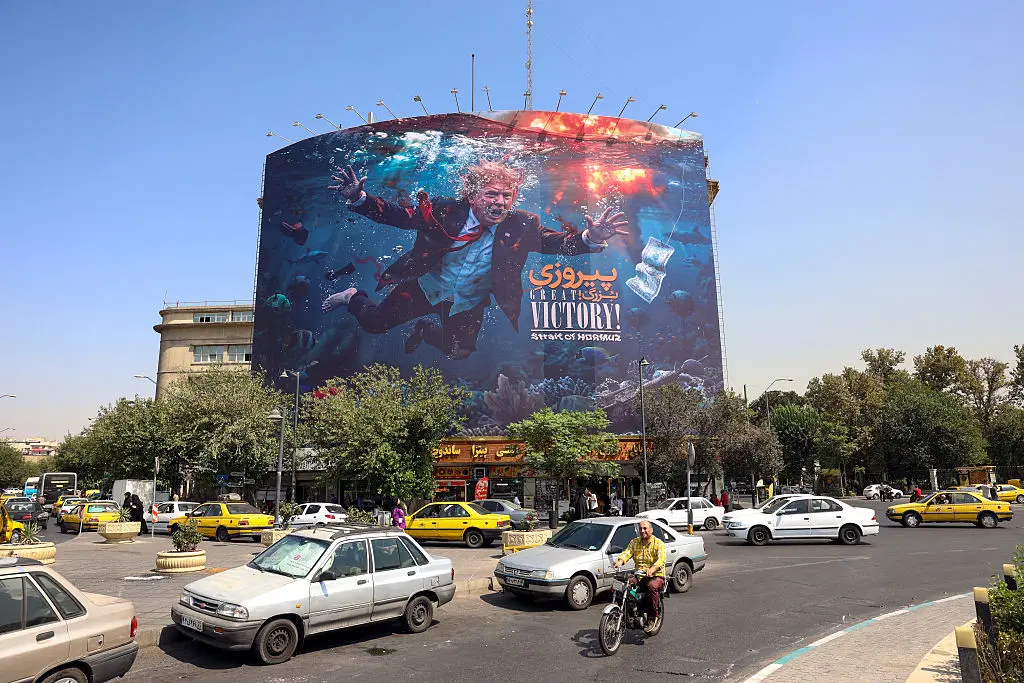
President Donald Trump declared an imminent Economic D-Dayagainst Iran on August 24, 2026. This announcement marked a significant shift in strategy six months into the ongoing conflict. The White House aims to leverage financial pressure to force Tehran into submission. Motorists in Tehran drove past anti-US billboards that day, reflecting the tense atmosphere. The move signals that economic tools now rival military force in the administration's playbook for ending the war.
Breaking news
 Deadly Glacier and Rock Collapse in Nepal Linked to Climate Warming
 US Congress Passes Sweeping Sanctions Against Russia
 Speaker Johnson Ends House Session Early to Halt Impeachment Effort
 The High-Stakes Fight for Senate Majority Control
The US government is intensifying its focus on Iran's financial vulnerabilities. Trump believes that strangling the Iranian economy will break the regime's resolve. This approach complements existing military operations that have stalled in recent weeks. By targeting trade routes and currency stability, Washington hopes to create internal pressure. The goal is to make the cost of continuing the war unbearable for ordinary Iranians. This economic offensive represents a calculated risk to escalate tensions further.
The Economic D-Dayconcept suggests a coordinated surge in sanctions and trade restrictions. Analysts note that this strategy relies heavily on global market reactions. Iran’s oil exports remain a critical lifeline for its budget. Disrupting these flows could cause immediate inflation and currency devaluation. The administration argues that economic pain drives political change faster than bombs. However, critics warn that sudden shocks can also harden public support for the government. The timing of this move coincides with peak summer travel and energy demand. This increases the potential for broader regional instability.
Can Money Break the Regime?
Historical precedents suggest mixed results for economic warfare against resilient states. Iran has demonstrated a capacity to adapt to previous sanctions regimes. The current strategy differs in its intensity and coordination with military threats. Leaders in Tehran have responded with visible defiance, reinforcing national unity narratives. Public displays of anti-American sentiment in major cities underscore this stance. The effectiveness of the plan depends on how quickly global partners align with US demands. Delays in international cooperation could weaken the impact of the new measures.
The outcome of this economic escalation remains uncertain. If successful, it could force Iran to negotiate from a position of weakness. Failure might push Tehran toward more aggressive military or proxy actions. The next few weeks will reveal whether financial pressure translates into political concessions. Observers are closely monitoring inflation rates and currency exchange values. These indicators will provide early signs of the strategy's efficacy. The world watches to see if money can do what bullets could not.
Frequently Asked Questions
What does Economic D-Day mean in this context? It refers to a planned, intense phase of economic sanctions and trade restrictions. The term implies a decisive moment where financial pressure peaks to force a strategic shift.
How long has the war been ongoing? The conflict between the United States and Iran has lasted for six months. The economic strategy is being introduced as a new tool to break the current stalemate.
Where did the public response occur? Public defiance was visible in Tehran on August 24, 2026. Citizens drove past anti-US billboards, signaling strong local resistance to American pressure.