Can U. S. Pressure Override Libya’s Deep-Rooted Divisions?
The United States, under former President Donald Trump’s renewed focus on Libya, is pushing a diplomatic and economic initiative to resolve the country’s deepening political crisis and open its oil-rich markets to American investment. This effort comes as Libya faces a surge in instability, with protests and armed clashes disrupting daily life in key western cities under the interim government of Prime Minister Abdul Hamid Dbeibeh. The U. S.-led push aims to unify rival factions and restore basic services, but progress is being challenged by growing public frustration over power outages, inflation, and lack of governance.
Breaking news
 Deadly Glacier and Rock Collapse in Nepal Linked to Climate Warming
 US Congress Passes Sweeping Sanctions Against Russia
 Speaker Johnson Ends House Session Early to Halt Impeachment Effort
 The High-Stakes Fight for Senate Majority Control
Violent demonstrations have erupted in Tripoli and other western urban centers, driven by worsening living conditions and public anger over corruption and inefficiency. Protesters have blocked roads, burned tires, and clashed with security forces, demanding better access to electricity, clean water, and employment opportunities. These unrests coincide with stalled negotiations between Libya’s eastern and western administrations, which have failed to agree on a unified budget or election timeline. Analysts say the U. S. initiative, while well-intentioned, lacks leverage without coordination from regional actors like Egypt, the UAE, and Turkey, all of whom maintain influence over rival militias and political blocs.
What Are the Risks of Escalation If Talks Fail?
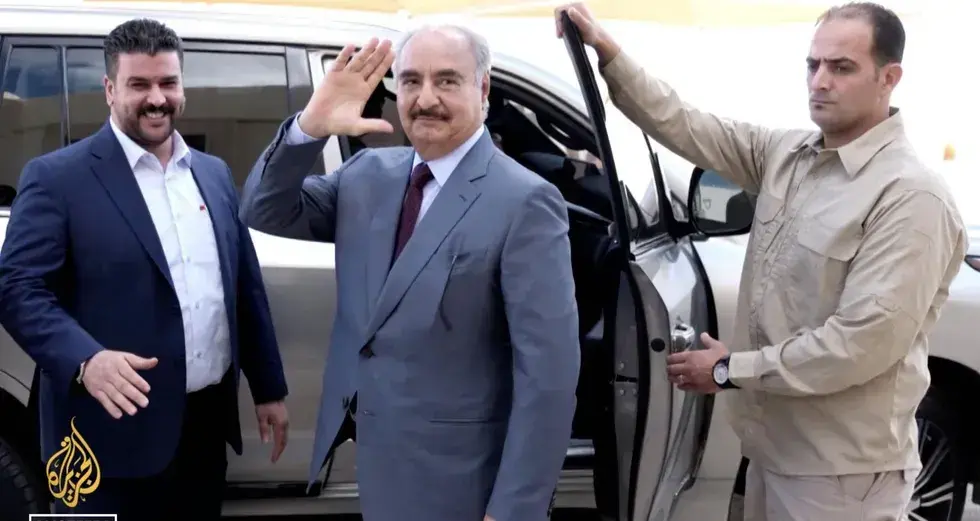
Despite Washington’s renewed engagement, experts question whether American diplomatic and economic incentives can overcome years of entrenched rivalry between Libya’s competing governments. The Tripoli-based administration, internationally recognized but weakened by internal dissent, struggles to assert control beyond the capital. Meanwhile, the eastern-based House of Representatives, backed by Khalifa Haftar’s Libyan National Army, controls much of the east and southern oil fields. U. S. officials have reportedly offered incentives for cooperation, including potential investment in infrastructure and energy sectors, but militia leaders and political elites remain skeptical, citing past broken promises and foreign interference.
If the U. S.-led initiative fails to produce tangible results, Libya risks slipping further into fragmentation, with localized conflicts over resources and territory intensifying. A collapse of the interim government could empower extremist groups to exploit security vacuums, particularly in the south and along migrant smuggling routes. Economically, prolonged instability would deter foreign investment, worsen oil production disruptions, and deepen humanitarian needs. Observers warn that without a credible path to elections and national reconciliation, Libya may remain trapped in a cycle of crisis, undermining both regional stability and Western strategic interests in North Africa.
What is the main goal of the U. S.-led initiative in Libya? The initiative aims to resolve Libya’s political deadlock, improve basic services, and create conditions for American investment in the country’s energy and infrastructure sectors.
Frequently Asked Questions
Why are protests increasing in western Libya? Protests are fueled by deteriorating living conditions, including frequent power outages, rising prices, and public frustration with government corruption and inefficiency.
What challenges does the U. S. face in stabilizing Libya? The U. S. effort is hampered by fragmented local power structures, competing foreign influences, and deep mistrust among Libyan political and military factions toward external actors.