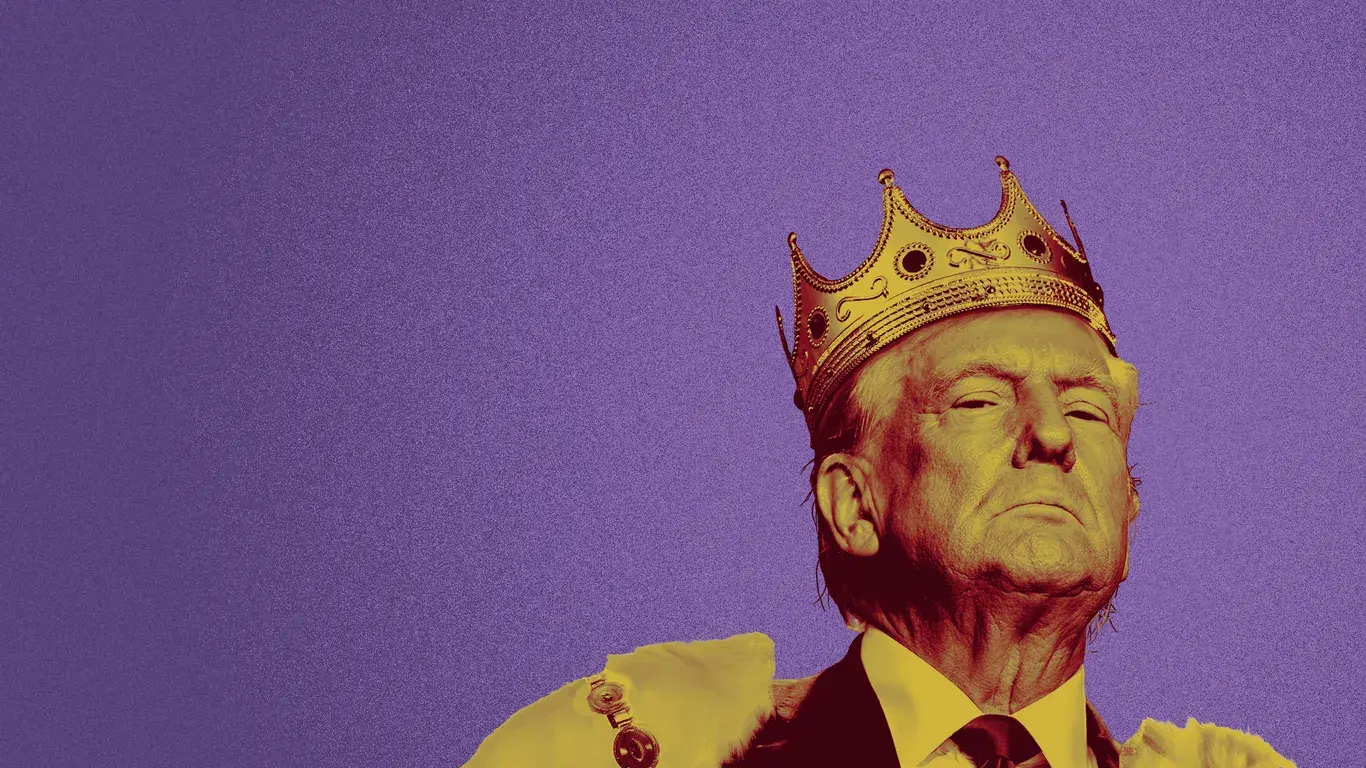
Stretching Executive Power to the Brink
President Donald Trump is moving to expand executive authority as his time in office winds down. Congressional investigators are closing in, creating pressure to act quickly. The president aims to use the remaining days to cement his legacy through decisive executive orders.
Breaking news
 ECB's Kazāks Sees Rate-Hike Judgments Getting More Nuanced
 Qatar PM to brief G7 and Saudi Arabia on Iran war after Trump talks
 Sheikh Hasina Plans Return to Bangladesh After Two Years in Exile
 Digital Infrastructure Reshapes Global Commerce and Public Services
Trump and his allies are exploring new executive actions on tariffs and other policy areas. The strategy involves targeting individuals on his enemies list while simultaneously pardoning political allies. This dual approach tests the boundaries of presidential authority. Courts and Congress are expected to push back, but the administration is daring them to intervene.
Will Congress and the Courts Check the President?
The tension centers on whether legislative and judicial branches will assert their roles. Trump's team views executive action as a way to bypass slower legislative processes. This creates a constitutional friction point that could define the end of his presidency.
The outcome will shape how future presidents wield executive power. If Trump succeeds, it sets a precedent for broader unilateral action. If Congress or the courts block him, it reinforces the system of checks and balances.
What specific actions is Trump planning? He is preparing executive orders on tariffs and other policy fronts. The goal is to lock in changes before his term concludes.
Frequently Asked Questions
Why act now? With congressional investigations intensifying, Trump faces a deadline. Acting before term end reduces the chance of being overturned by incoming leadership.
What could go wrong? Judicial review or congressional overrides could delay or nullify the orders. The administration is betting on speed to outpace legal challenges.