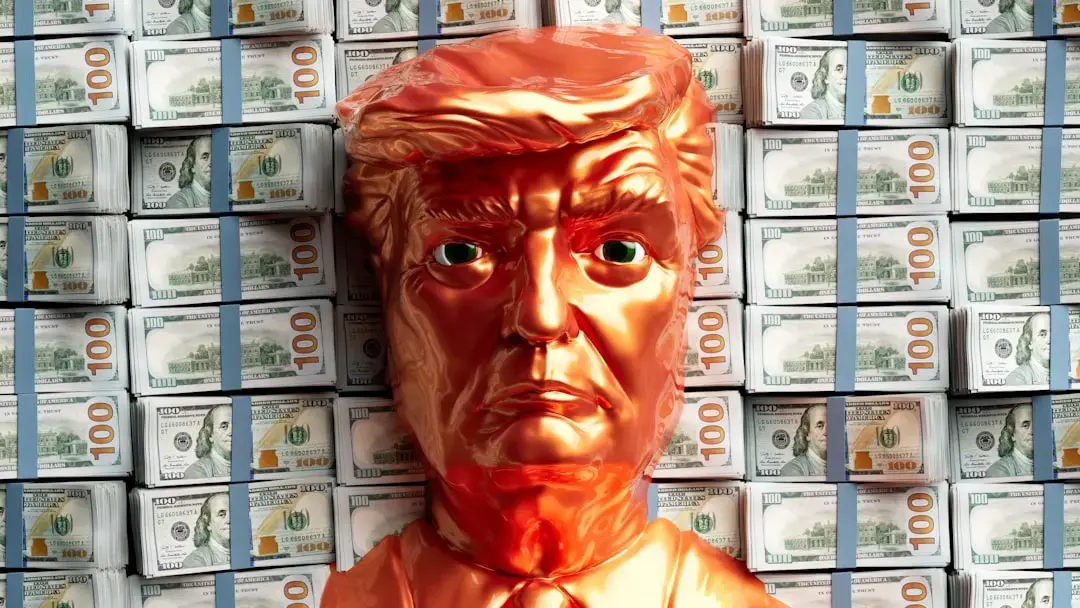
Funding the Promise: Where Does the Money Come From?
US President Donald Trump has announced a bold financial incentive for voters. He pledged to pay every adult American five thousand dollars if the Republican Party secures control of Congress in the upcoming November elections. This proposal aims to energize the base and reward loyalty during a critical electoral cycle. The announcement sparked immediate enthusiasm among party supporters who gathered to hear the plan.
Breaking news
 Deadly Glacier and Rock Collapse in Nepal Linked to Climate Warming
 US Congress Passes Sweeping Sanctions Against Russia
 Speaker Johnson Ends House Session Early to Halt Impeachment Effort
 The High-Stakes Fight for Senate Majority Control
The offer represents a significant shift in campaign strategy. By linking a direct monetary benefit to a specific political outcome, Trump seeks to make the stakes tangible for individual citizens. Analysts note that this approach targets the median voter directly. It transforms an abstract policy debate into a personal financial gain. The timing coincides with rising inflation concerns and economic anxiety across the nation.
The central question surrounding this pledge is fiscal feasibility. Economists are scrutinizing the potential cost of such a universal transfer. With over one hundred and eighty million adults in the United States, the total expenditure could reach nearly a trillion dollars. This figure assumes every eligible citizen receives the full amount without deductions or conditions.
Critics argue that the budgetary impact would be staggering. They point to existing deficits and competing priorities like infrastructure and defense spending. Supporters counter that the revenue generated by a Republican-led Congress could offset the costs. They suggest tax adjustments or reduced government spending might balance the books. However, no formal legislation has been drafted yet to outline these mechanisms.
Is the Cash Payout Legally Binding?
Legal experts are also weighing in on the validity of the promise. They examine whether the executive branch can commit federal funds based solely on an election result. Some constitutional scholars question if this constitutes a binding contract or a political gesture. The distinction matters for enforcement and taxpayer liability. If the plan proceeds, it may face challenges in the courts regarding its legal standing.
The legal landscape for this proposal remains complex. There is no precedent for a president guaranteeing a universal check contingent on midterm results. Legal teams are reviewing past executive orders and congressional powers. They assess whether the president has the authority to initiate such a program unilaterally. Or if it requires a joint resolution with both houses of Congress.
Supporters emphasize the symbolic power of the move. They believe the sheer scale of the offer will drive turnout. The rally atmosphere where the idea was presented highlighted the emotional resonance of the plan. Applause echoed through the venue as the details were shared. Many attendees viewed it as a long-overdue correction to stagnant wages.
Frequently Asked Questions
The proposal also intersects with broader debates about universal basic income. While not identical, the structure shares similarities with pilot programs tested in various cities. Those pilots showed mixed results regarding spending habits and labor participation. This national-scale experiment would provide valuable data for future economic policy discussions.
How much does the $5,000 payout cost in total? The estimated cost is approximately one trillion dollars. This calculation is based on the current number of adult residents in the US. It does not account for potential changes in population size by election day.
When would Americans receive the money? The timeline is not yet defined. Funds would likely be distributed after the November elections conclude. Processing time for such a large-scale transfer could take several months.
Is this a tax-free payment? It remains unclear if the $5,000 would be treated as taxable income. Current proposals have not specified the tax status of the bonus. Future legislation would need to address this detail explicitly.