How Would the $5,000 Payments Be Funded?
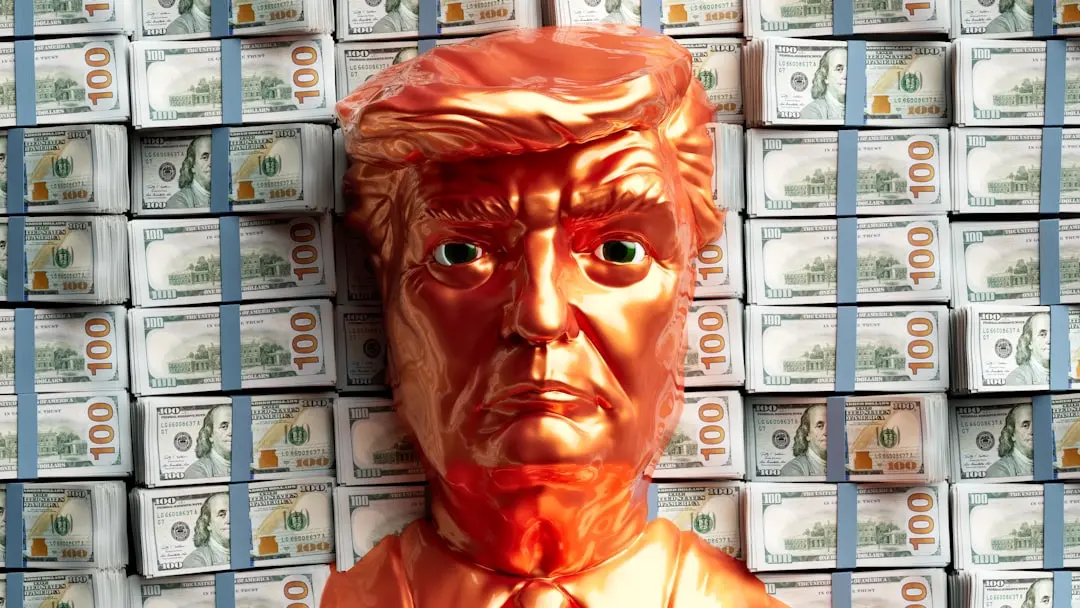
Former President Donald Trump has pledged to give every American citizen $5,000 if he wins the 2024 presidential election. The announcement was made during a campaign rally, where he framed the payment as a direct benefit of his economic plan. Trump said the funds would come from savings generated by renegotiating trade deals and cutting government waste. The proposal has drawn immediate attention for its scale and lack of detailed funding mechanism.
Breaking news
 Deadly Glacier and Rock Collapse in Nepal Linked to Climate Warming
 US Congress Passes Sweeping Sanctions Against Russia
 Speaker Johnson Ends House Session Early to Halt Impeachment Effort
 The High-Stakes Fight for Senate Majority Control
The pledge echoes past campaign promises involving direct cash transfers, though none have reached this level of universality. Trump argued that the money would stimulate consumer spending and help families cope with inflation. Critics, however, question whether such a payout is financially feasible without increasing the national debt or raising taxes. The campaign has not released a full budget outline to support the claim.
Is This Pledge Legally Permissible Under Election Laws?
Trump’s team has suggested that the payments would be financed through economic growth spurred by his policies, including tax cuts and deregulation. He claims that reducing federal spending inefficiencies and securing better trade terms would generate enough surplus to cover the cost. Independent analysts have not verified these projections, noting that similar promises in the past lacked credible fiscal backing. The Committee for a Responsible Federal Budget estimates that universal $5,000 payments would cost approximately $1.6 trillion annually.
Legal experts are divided on whether promising direct cash payments to voters constitutes an improper inducement under federal election law. While candidates may outline policy platforms, offering personal financial benefits tied to voting could raise concerns about vote-buying. The Federal Election Commission has not issued guidance on such a broad, universal pledge. Some scholars argue that since the payment is not conditional on voting for Trump, it may not violate existing statutes, though ethical concerns remain.
What Have Past Administrations Done Regarding Direct Payments?
Previous administrations have issued direct payments during crises, such as the stimulus checks under the CARES Act in 2020. Those were temporary, emergency measures approved by Congress, not campaign promises. Trump’s proposal differs in that it would be a recurring, universal benefit tied to his election, not a legislative response to an emergency. No modern presidential candidate has made a similar pledge of this scale and universality.
Is the $5,000 payment guaranteed if Trump wins? No, the pledge is a campaign promise and would require congressional approval to become law. Presidents cannot unilaterally authorize such payments without legislation.
Frequently Asked Questions
Would the payment be taxable? Likely yes, as direct cash payments from the government are generally considered taxable income unless specifically exempted by law, which has not been indicated.
Could this promise affect Trump’s eligibility to run? No, making campaign promises, even ambitious ones, does not disqualify a candidate from running for office under current U. S. law.