Strategic Leverage Over Party Loyalty
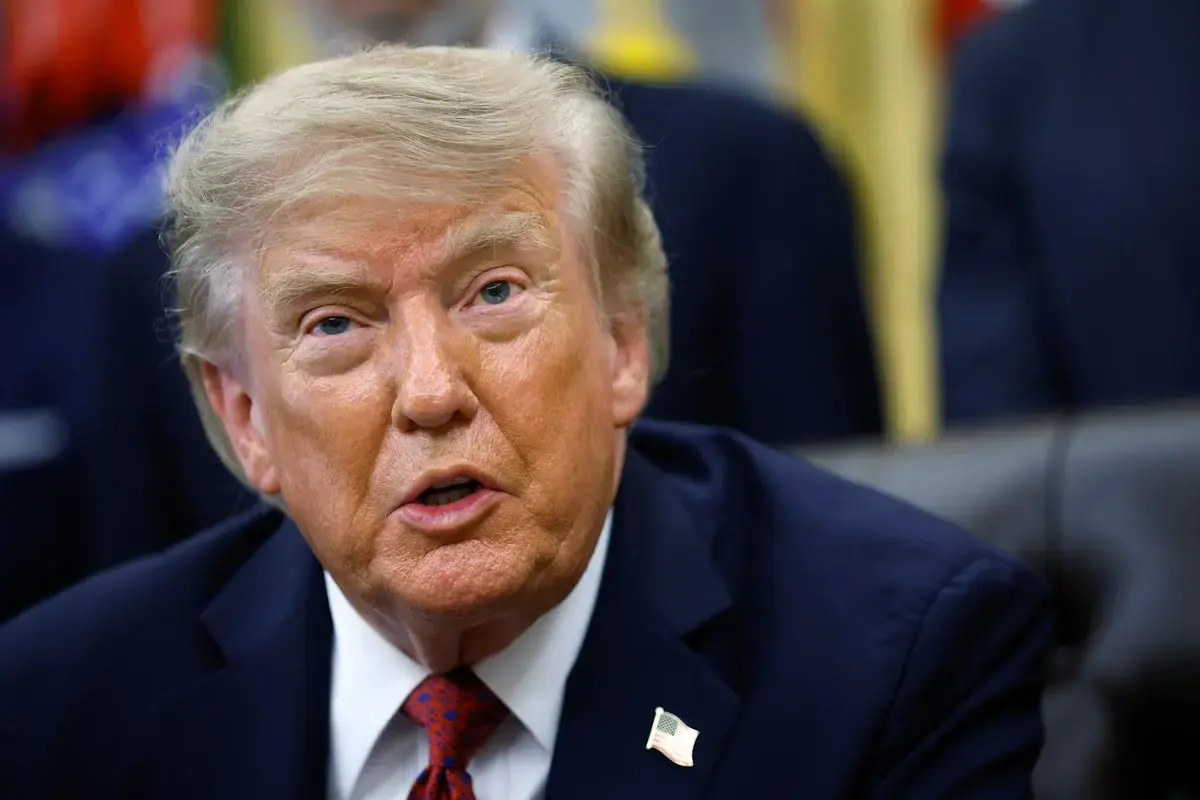
With less than sixty days until the United States midterm elections, President Donald Trump retains control of a substantial financial reserve. This war chest totals approximately four hundred and three million dollars. The funds remain untouched despite urgent pleas from Republican lawmakers. These officials are currently struggling to secure their own party’s seats. The timing creates a significant tension within the GOP.
Breaking news
 Deadly Glacier and Rock Collapse in Nepal Linked to Climate Warming
 US Congress Passes Sweeping Sanctions Against Russia
 Speaker Johnson Ends House Session Early to Halt Impeachment Effort
 The High-Stakes Fight for Senate Majority Control
The president’s campaign finance strategy has diverged sharply from traditional norms. Instead of immediately distributing funds to allied candidates, Trump has kept the money centralized. This approach allows him to maintain leverage over the party structure. Lawmakers argue that the cash could have already bolstered vulnerable districts. They believe early deployment would have improved polling numbers significantly. The delay leaves many state races in a precarious position.
The retention of such a large sum serves a dual purpose. It demonstrates the president’s continued dominance over the Republican brand. Simultaneously, it provides a tool to reward loyalists later. Critics within the party suggest this tactic mirrors previous election cycles. In those instances, funds were released only when necessary. This creates a power dynamic where candidates must align closely with Trump. They do so in hopes of receiving final endorsements or checks.
Can Late Spending Reverse Polling Trends?
Supporters of the current strategy argue that patience is key. They believe that holding the funds ensures maximum impact during the final weeks. A late surge in spending can often outpace opponents’ efforts. This method allows the administration to react to shifting public opinion. It also prevents early spending from being diluted by media noise. The goal is to make the final push decisive.
Recent polls indicate that several key states remain tight. The margin of error is often smaller than the cost of effective advertising. Without immediate access to the central war chest, local campaigns operate on limited budgets. They rely on smaller donations and grassroots efforts. This disparity between national and local resources is widening. Some analysts question if the current approach is too risky. They note that voters may forget the party’s message if not reinforced early.
However, the sheer volume of available capital remains a major asset. Four hundred and three million dollars is a historic figure for a single cycle. It dwarfs the budgets of most individual congressional races. When deployed, this money can buy prime ad slots across multiple networks. It can also fund direct mail campaigns that reach undecided voters. The effectiveness depends entirely on execution speed and targeting precision.
Frequently Asked Questions
The outcome of the midterms will likely hinge on this financial maneuvering. If Republicans lose ground, the war chest may be seen as hoarded. This perception could fuel internal criticism against the leadership. Conversely, a strong performance might validate the delayed spending strategy. Voters may view the centralized funds as a sign of disciplined planning. The next sixty days will reveal whether this gamble pays off.
How much money does Trump currently hold? President Trump controls a war chest valued at approximately four hundred and three million dollars. This amount is significantly larger than typical presidential campaign reserves. It represents a major portion of the party’s total available resources.
Why are Republicans asking for help now? Lawmakers face tight races with less than two months remaining. They need funds to run effective advertising and outreach campaigns. The delay in receiving support puts their re-election bids at risk.