Strategic Response to Huawei Expansion in Africa
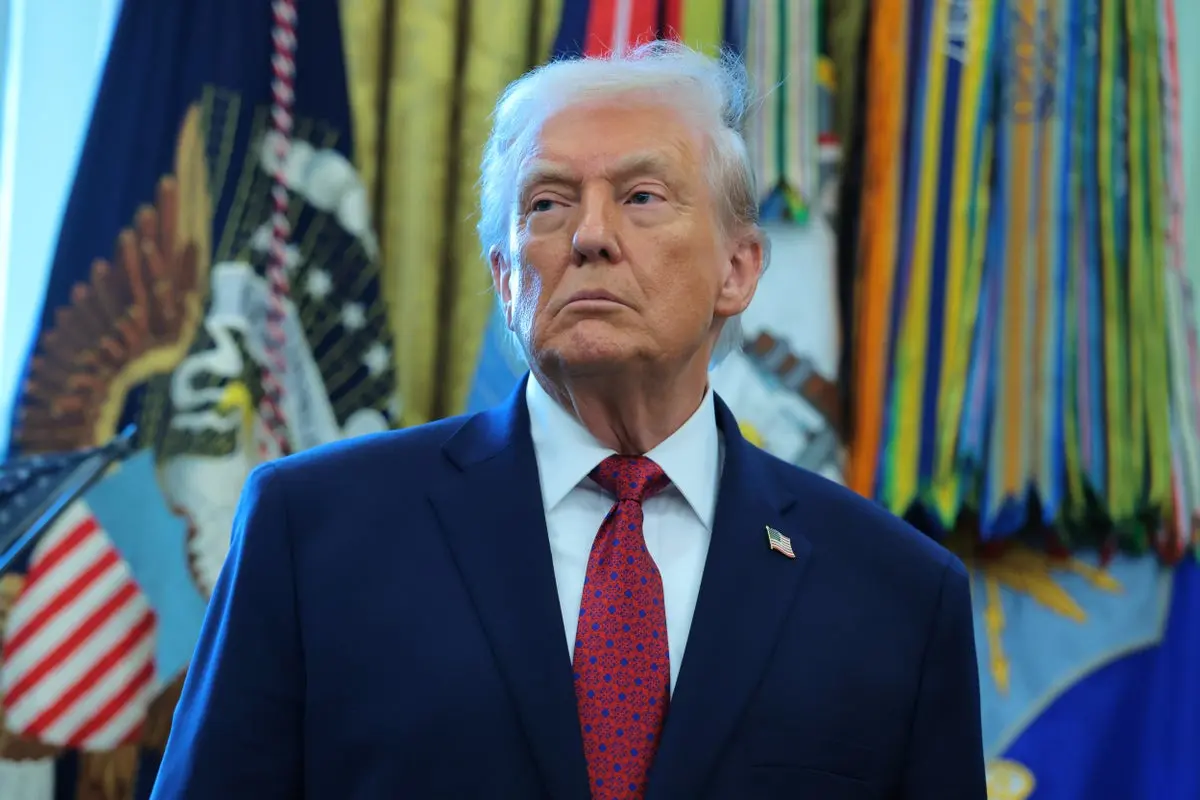
The Trump administration has approved a $100 million loan to a U. S.-owned company operating in Africa, aiming to strengthen American economic presence on the continent and reduce reliance on Chinese technology and infrastructure. Announced in September 2026, the move reflects ongoing concerns about national security risks tied to firms like Huawei, which U. S. officials have long viewed as a strategic threat due to alleged ties to the Chinese government. The loan is part of a broader effort to counter Beijing’s growing influence in African markets through alternative financing and development initiatives.
Breaking news
 Deadly Glacier and Rock Collapse in Nepal Linked to Climate Warming
 US Congress Passes Sweeping Sanctions Against Russia
 Speaker Johnson Ends House Session Early to Halt Impeachment Effort
 The High-Stakes Fight for Senate Majority Control
U. S. officials have repeatedly warned that Huawei’s expansion in Africa poses risks to data security and telecommunications integrity, particularly as the company builds 5G networks across several countries. During Trump’s first term, the administration imposed restrictions on Huawei’s access to U. S. technology and urged allies to exclude it from critical infrastructure. The new loan signals a shift from purely defensive measures to proactive investment, enabling American firms to compete more effectively in sectors like energy, telecommunications, and logistics where Chinese companies have gained significant ground.
How Will This Loan Affect U. S.-Africa Economic Ties?
The funding is intended to support job creation, technology transfer, and sustainable development projects in the host country, though specific details about the recipient business or exact allocation have not been disclosed. Administration sources say the initiative aims to demonstrate that the U. S. can offer viable alternatives to Chinese state-backed financing, which often comes with long-term debt obligations. By strengthening commercial ties, Washington hopes to build stronger diplomatic partnerships rooted in mutual economic benefit rather than geopolitical leverage.
Why is the U. S. focusing on Africa in its competition with China? Africa represents a growing market for infrastructure, energy, and digital services, and China has invested heavily in these areas over the past decade. The U. S. seeks to ensure that African nations have access to secure, transparent alternatives that do not compromise sovereignty or data security.
Frequently Asked Questions
What safeguards are in place to ensure the loan is used effectively? While specific oversight mechanisms were not detailed, administration officials stated that funds will be monitored through interagency coordination to ensure alignment with development goals and national security objectives, including preventing misuse or diversion to sanctioned entities.
Does this initiative replace existing aid programs in Africa? No, the loan complements existing aid and trade programs such as AGOA and Power Africa. It is designed as a financial tool to encourage private-sector-led growth rather than a substitute for humanitarian or developmental assistance.