Why Moscow’s Narrative Struggles to Resonate in Yerevan
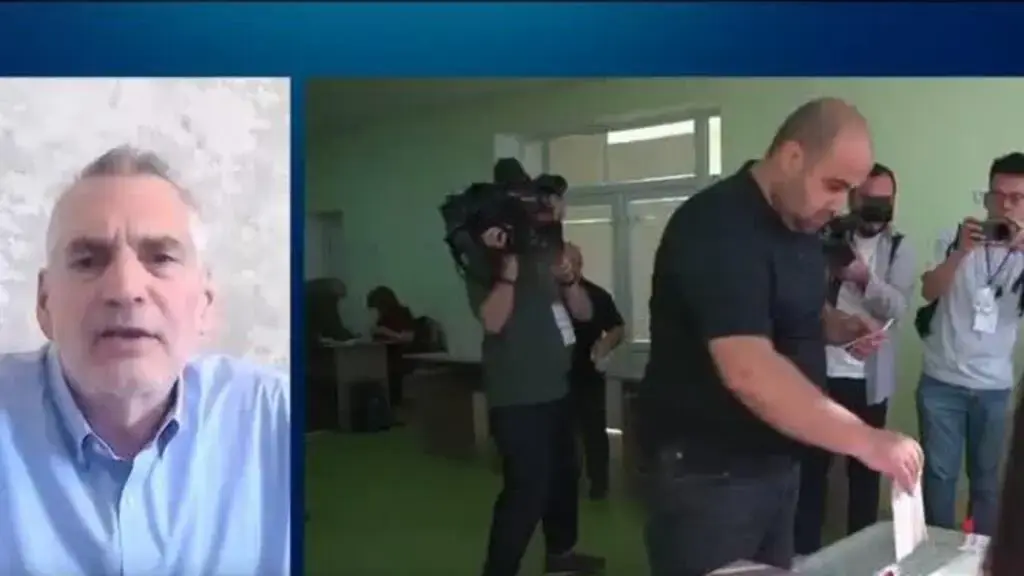
Yerevan, June 20 2024 – As Armenia held its parliamentary elections, Russian‑origin false stories circulated online. Analysts observed the propaganda, noting it neither surprised nor swayed voters. The disinformation wave coincided with heightened regional tensions and a domestic push for political reform.
Breaking news
 Deadly Glacier and Rock Collapse in Nepal Linked to Climate Warming
 US Congress Passes Sweeping Sanctions Against Russia
 Speaker Johnson Ends House Session Early to Halt Impeachment Effort
 The High-Stakes Fight for Senate Majority Control
Experts traced the fake narratives to pro‑Moscow outlets and social‑media bots. They argued the stories aimed to portray the opposition as extremist and to cast doubt on the legitimacy of the vote. However, widespread public skepticism, a vibrant civil‑society watchdog network, and recent experiences with foreign meddling blunted the impact. The timing suggested a coordinated effort to exploit election day traffic, yet the messages failed to break through the local media filter.
Armenian audiences have grown wary of external influence after the 2020 Nagorno‑Karabakh war and subsequent protests. Independent fact‑checking groups quickly debunked the most blatant claims, limiting their spread. Moreover, the country’s younger, internet‑savvy population tends to verify sources before sharing. The expert noted that „the pattern of Russian disinformation is familiar, and the public now recognizes it as a repeat performance.” Data from a local monitoring NGO showed that only 12 % of surveyed social‑media users recalled seeing the specific false stories, and an even smaller fraction believed them.
Can Disinformation Influence Armenia’s Political Future?
The political landscape also contributed to the ineffectiveness. Opposition parties campaigned on transparency and anti‑corruption platforms, directly countering the narratives of chaos and instability pushed by the disinformation. International observers reported a relatively smooth voting process, further undermining the credibility of the fabricated claims. As a result, the Russian messaging appeared out of step with on‑the‑ground realities.
While the recent campaign fell short, analysts warn that future attempts may adapt. „If the Kremlin refines its tactics—targeting niche audiences or exploiting emerging crises—it could regain some influence,” the expert cautioned. Nonetheless, the current episode demonstrates a growing resilience among Armenian voters. Strengthened media literacy programs and robust monitoring mechanisms are likely to deter similar operations.
The fallout from the failed disinformation push may reinforce domestic confidence in democratic institutions. Opposition leaders have pledged to continue exposing external meddling, and lawmakers are considering stricter regulations on foreign‑origin content. The episode also serves as a reminder to regional actors that overt propaganda can backfire when met with an informed electorate.
Frequently Asked Questions
Did Russian disinformation affect the election outcome? No measurable shift in voting patterns was linked to the false stories; official results aligned with pre‑election polls.
How quickly were the false claims identified? Local fact‑checkers flagged the most egregious claims within hours, limiting their viral potential.
Will Armenia adopt new laws against foreign propaganda? Parliament is debating legislation that would require disclosure of foreign‑funded media and impose penalties for deliberate misinformation.