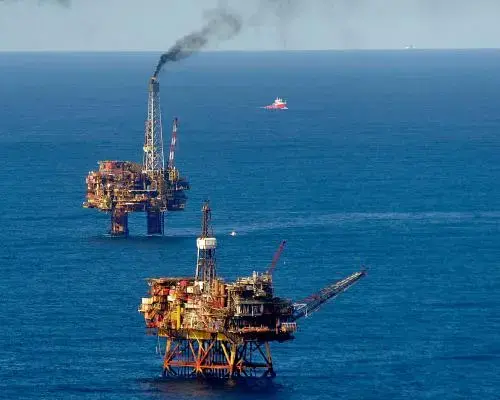
Industry argues for earlier tax removal
The North Sea oil and gas sector has formally requested that the Labour government abolish the windfall tax on fossil fuel companies three years ahead of schedule. This call comes as Britain prepares for a winter where household energy bills are projected to hit their highest levels since Russia invaded Ukraine. The industry argues that removing the levy sooner will help stabilize costs for consumers.
Breaking news
 Deadly Glacier and Rock Collapse in Nepal Linked to Climate Warming
 US Congress Passes Sweeping Sanctions Against Russia
 Speaker Johnson Ends House Session Early to Halt Impeachment Effort
 The High-Stakes Fight for Senate Majority Control
Offshore Energies UK, the primary trade body representing the sector, is pushing for the tax to be replaced in 2027. The current plan schedules this change for 2030. The group believes that accelerating the timeline will provide immediate relief to the market. By cutting the tax burden now, operators can maintain investment in existing fields. This stability is crucial for keeping production levels high during the cold months. The industry contends that the current fiscal pressure discourages necessary maintenance and exploration activities.
Will early removal lower winter energy costs?
Proponents suggest that lowering the tax rate will directly influence the price of gas and oil. With energy bills expected to surge this winter, the financial strain on households is significant. The windfall tax was originally introduced to capture excess profits during the post-pandemic energy crisis. However, market conditions have shifted. High inflation and global supply constraints continue to affect prices. The trade body claims that an earlier exit from the tax regime will signal confidence to investors. This confidence could lead to increased output, potentially easing supply pressures. Critics, however, question if the savings will truly translate to lower bills for the average consumer. They argue that global commodity prices remain the dominant factor in domestic costs.
The decision rests with the Treasury, which must balance national revenue needs against industry health. If Labour agrees to the 2027 timeline, it would represent a major shift in fiscal policy. Such a move could set a precedent for other sectors facing similar levies. The government faces pressure to protect household budgets while ensuring sufficient public funds. A swift decision could bolster the energy sector’s capacity to deliver reliable supply. Conversely, delaying the change might force companies to cut back on operations. This reduction in activity could lead to higher prices in the long term. The coming months will determine if political will aligns with industry demands.
When does the current plan remove the windfall tax? The existing legislative framework sets the replacement date for 2030. The industry is currently lobbying to move this deadline up to 2027.
Frequently Asked Questions
Who is making the call for early removal? Offshore Energies UK, the trade association for the North Sea oil and gas industry, is leading this campaign. They represent major operators in the sector.
Why is this timing critical for consumers? Energy bills are forecast to reach peak levels this winter. Early tax removal aims to support stable production, which may help mitigate price spikes for households.