The Roots of the Conflict: Historical and Political Factors
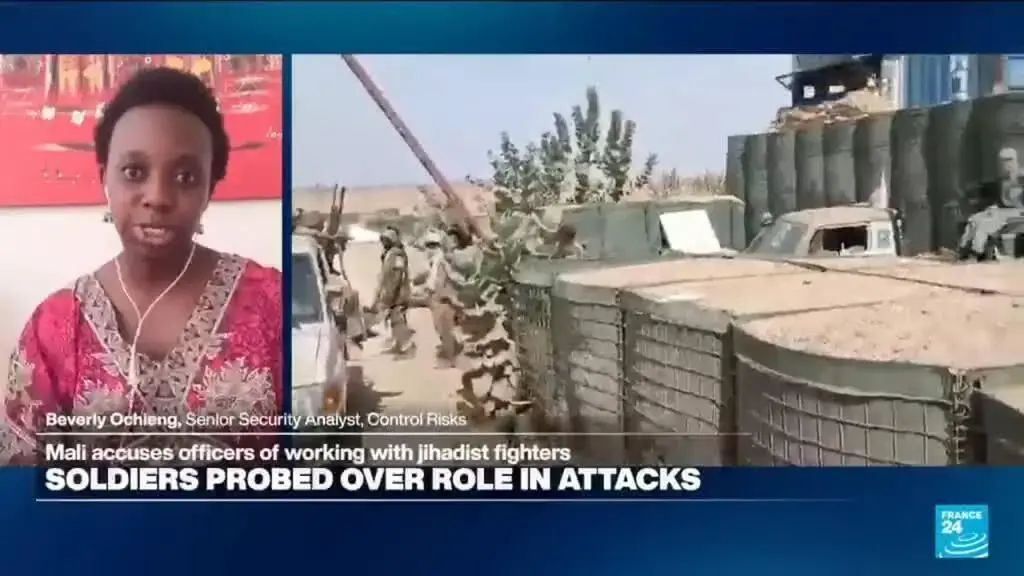
In Mali, the government is grappling with a rising insurgency as jihadist groups and Tuareg separatists intensify their attacks. The capital, Bamako, is increasingly at risk as these factions challenge state authority. The situation has escalated over recent months, prompting urgent calls for action.
Breaking news
 Deadly Glacier and Rock Collapse in Nepal Linked to Climate Warming
 US Congress Passes Sweeping Sanctions Against Russia
 Speaker Johnson Ends House Session Early to Halt Impeachment Effort
 The High-Stakes Fight for Senate Majority Control
The Malian military is struggling to maintain control amid a complex landscape of violence and unrest. Jihadist fighters, linked to various extremist organizations, have launched numerous assaults, targeting both military and civilian sites. Meanwhile, Tuareg separatists, who have long sought autonomy for their northern region, are also stepping up their activities. The combination of these threats is creating a precarious environment for the government.
The current crisis in Mali has deep historical roots, stemming from ethnic tensions and political instability. The Tuareg people, a nomadic group, have faced marginalization for decades, leading to a series of uprisings. Their quest for independence has been fueled by grievances over resource distribution and political representation.
Can Mali Restore Stability Amidst Rising Violence?
In recent years, jihadist groups have exploited these tensions, gaining ground in the north and spreading their influence. The chaos that followed a coup in 2012 further destabilized the region, allowing extremist factions to flourish. The Malian government has struggled to respond effectively, often relying on foreign military assistance, which has not always yielded successful outcomes.
As Bamako faces increasing threats, the government’s ability to restore stability is in question. Efforts to negotiate peace with Tuareg groups have often faltered, while military operations against jihadists have not achieved lasting success. The lack of a cohesive strategy has raised concerns among citizens, who fear for their safety.
International partners, including France and the United Nations, have provided support but face challenges in addressing the root causes of the conflict. The situation is complicated by the involvement of neighboring countries, which have their own interests in Mali's stability.
The ongoing violence has dire consequences for civilians, who bear the brunt of the conflict. Displacement, food insecurity, and a breakdown of essential services are rampant. The humanitarian situation is deteriorating, with aid organizations struggling to reach those in need.
Frequently Asked Questions
What is the current situation in Mali? Mali is facing a significant security crisis as jihadist fighters and Tuareg separatists threaten the capital, Bamako. The Malian military is struggling to maintain control amid increasing violence.
What are the main causes of the conflict? The conflict is rooted in historical grievances of the Tuareg people, political instability, and the rise of jihadist groups taking advantage of the chaos.
What efforts are being made to resolve the crisis? The Malian government has attempted peace negotiations with Tuareg groups and sought international military assistance. However, these efforts have not yet led to lasting stability or peace.