Others, however, credit his firm stance against Hamas and view him as essential
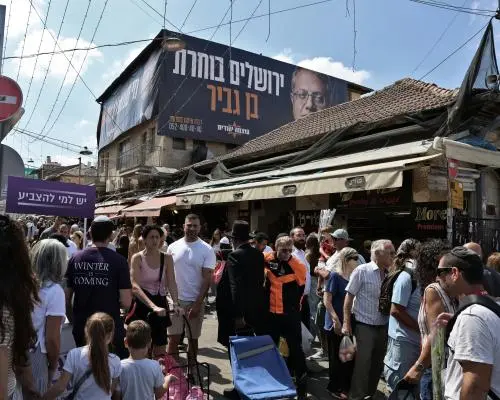
Jerusalem’s streets buzz with conflicting hopes as Israelis prepare to vote in less than a month, with the outcome potentially reshaping the nation’s trajectory after the October 7 attacks and ongoing war. Secular Jews, ultra-Orthodox communities, religious nationalists, settlers, Palestinians, and returning soldiers all voice starkly different visions for the country’s future, reflecting deep societal fractures amplified by nearly three years of conflict and political turmoil. The upcoming election presents a critical juncture for Israel, still grappling with the aftermath of Hamas’s surprise assault that killed over 1,200 people and triggered a devastating Gaza campaign. Many citizens now question Prime Minister Benjamin Netanyahu’s leadership, particularly regarding security failures and the prolonged war’s human and economic toll.
Breaking news
 Trump Rejects AI Safety Measures Amid China Competition
 Behavioral Health and the Justice System: Accreditation and Continuity-of-Care Standards for Justice-Involved Individuals
 Britney Spears Dazzles in Bold Lingerie Shoot
 South Korea Weighs Strong Response After DMZ Landmine Blast
Others, however, credit his firm stance against Hamas and view him as essential for national resilience, creating a polarized electorate where change and continuity are seen as mutually exclusive paths. Voter Sentiment Split Along Religious and National Lines In Jerusalem’s bustling markets and quiet neighborhoods, opinions vary sharply along identity and experience. Secular Jews in Tel Aviv-adjacent areas express frustration over what they see as Netanyahu’s prioritization of political survival over national unity, citing his coalition’s reliance on ultra-Orthodox and far-right parties. Meanwhile, religious nationalist settlers in the West Bank praise his support for expansionist policies and resistance to international pressure, believing his leadership safeguards Jewish historical claims. Ultra-Orthodox Jews, focused on preserving state funding for religious institutions, largely back his bloc fearing cuts under alternative governments.
Palestinian citizens of Israel, though not uniformly aligned
Palestinian citizens of Israel, though not uniformly aligned, largely oppose Netanyahu’s government due to its handling of Arab communities and discriminatory legislation, though voter turnout among them remains a key uncertainty. Could a Coalition Shift Alter Israel’s War Strategy? A potential change in leadership could significantly influence how Israel manages the Gaza conflict and broader regional tensions. Critics argue Netanyahu’s prolonged tenure has stalled diplomatic efforts and exacerbated isolation, while supporters insist his experience is vital amid threats from Hezbollah, Iran, and Hamas remnants. Alternative leaders from centrist and left-leaning parties promise renewed focus on hostage negotiations, humanitarian pauses, and rebuilding Gaza’s governance—though details remain vague.
Security officials warn that any leadership transition during active operations risks operational confusion, yet many Israelis believe fresh leadership could restore public trust and open pathways to long-term stability, even if the war’s immediate course remains unchanged. Frequently Asked Questions What is the main issue driving voter dissatisfaction with Netanyahu? Many Israelis blame his government for intelligence and preparedness failures before October 7, citing overconfidence and political distractions as contributing factors to the attack’s severity, despite subsequent military actions. How might the election affect Israel’s relations with its Arab citizens? A new government could potentially address longstanding grievances over discrimination and unequal resource allocation, though meaningful change would depend on coalition commitments to Arab-majority towns and investment in infrastructure and policing. Is a ceasefire in Gaza likely regardless of who wins the election?
While all major parties agree Hamas must be defeated, differences exist over post-war governance and humanitarian access, meaning a ceasefire’s timing and terms could vary significantly based on the winning coalition’s priorities.
