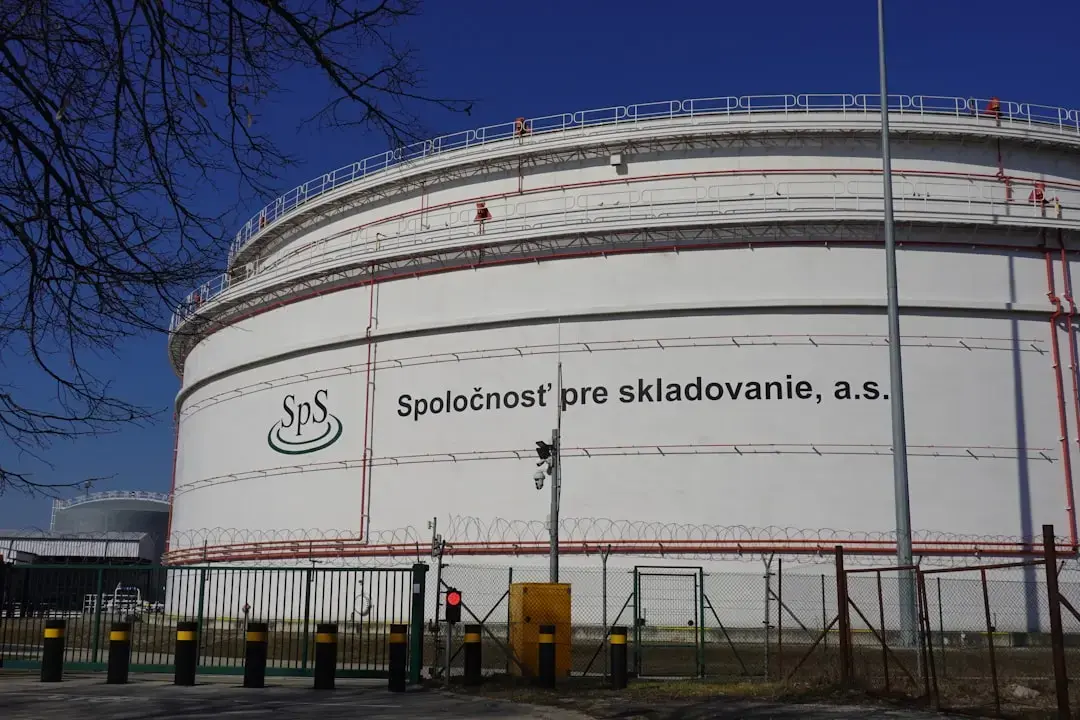
The Cost of Keeping Prices Artificially Low
A massive fuel subsidy program costing billions of dollars annually is casting a long shadow over pivotal elections across several African nations, as governments grapple with the financial burden of keeping pump prices low ahead of voter decisions. The policy, designed to shield consumers from global oil price swings, has become a central point of contention in political campaigns, with opposition leaders criticizing its sustainability and ruling parties defending it as essential for social stability. The subsidy’s future is now inseparable from electoral outcomes, as leaders weigh short-term popularity against long-term fiscal health.
Breaking news
 Deadly Glacier and Rock Collapse in Nepal Linked to Climate Warming
 US Congress Passes Sweeping Sanctions Against Russia
 Speaker Johnson Ends House Session Early to Halt Impeachment Effort
 The High-Stakes Fight for Senate Majority Control
Governments across the continent have maintained fuel subsidies for years, arguing they protect low-income households from inflation and prevent social unrest. However, the fiscal toll has grown unsustainable, with some nations spending over 5% of GDP annually on the program—diverting funds from healthcare, education, and infrastructure. In countries like Nigeria and Angola, subsidy costs have ballooned alongside volatile oil markets, creating pressure to reform even as elections approach. Critics warn that abrupt removal could trigger protests, while supporters insist gradual adjustment is necessary to avoid economic collapse. The tension between immediate relief and structural reform has turned the subsidy into a political litmus test.
Can Voters Accept Higher Fuel Prices?
Opposition candidates in several races have pledged to end or significantly reduce the subsidy, framing it as a corrupt drain on public resources that benefits smugglers and the wealthy more than the poor. They argue the money could be redirected toward targeted cash transfers or renewable energy investments. Meanwhile, incumbent leaders warn that lifting the subsidy without adequate safety nets would devastate urban commuters and rural traders reliant on cheap transport. Polls suggest public opinion is deeply divided, with many voters acknowledging the subsidy’s flaws but fearing the immediate pain of higher prices. Election outcomes may hinge on whether candidates can convince citizens that short-term sacrifice leads to long-term gain.
What is a fuel subsidy and why do African governments use it? A fuel subsidy is a government payment that keeps retail fuel prices below market cost, intended to make transportation and energy more affordable for citizens, especially in low-income economies where fuel costs heavily impact daily living expenses.
Frequently Asked Questions
Why are fuel subsidies becoming a major election issue? As subsidy costs rise due to global oil prices and currency fluctuations, they consume large shares of national budgets, forcing governments to choose between maintaining popular price controls or reallocating funds to other priorities—making the policy a decisive factor in voter trust and political platforms.
What alternatives exist to broad fuel subsidies? Experts suggest replacing universal subsidies with targeted support for vulnerable populations, investing in public transit, or gradually adjusting prices while using saved funds for social programs—approaches aimed at reducing waste while protecting the poor from price shocks.