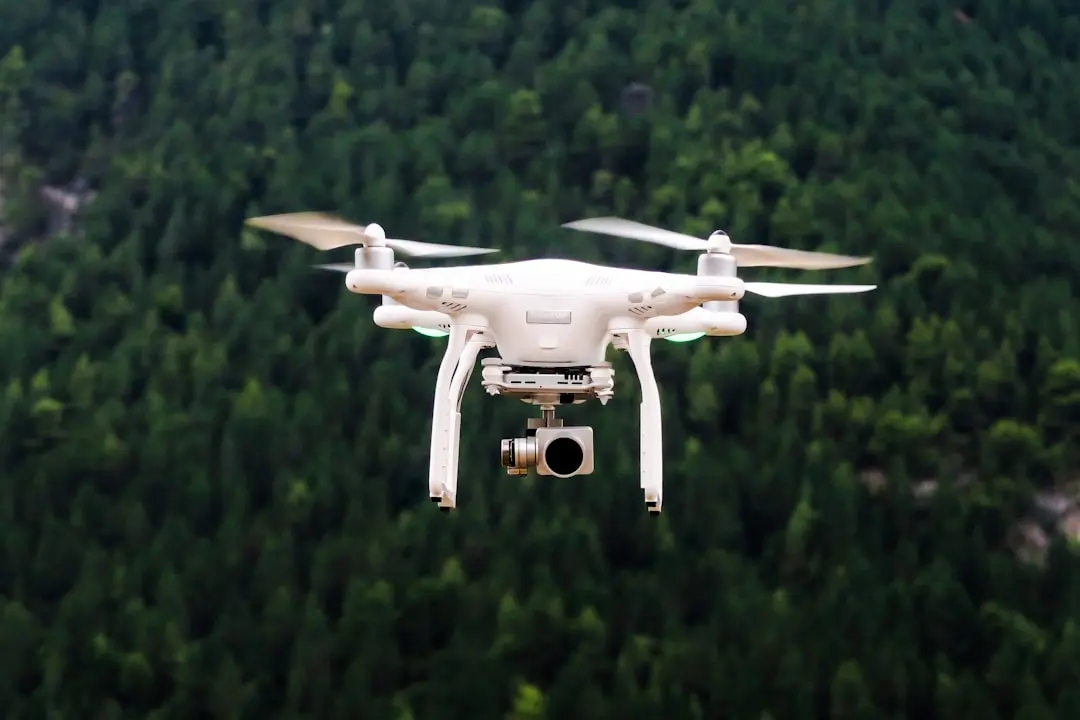
Covert Negotiations Behind the Deal
In a covert arms deal, Israel’s leading defence firm Elbit Systems began selling its Hermes drones to the United Arab Emirates. The negotiations spanned from 2021 to early 2023, according to emails obtained by Haaretz and Drop Site News. The UAE’s push followed a 2022 missile strike on Abu Dhabi by Yemen’s Houthi rebels.
Breaking news
 Fauci's Legal Woes May Deter Scientists from Public Service
 Europe's Defense Budget Is Set. Now Comes the Test of Delivery.
 Can AI Truly Free Women from the Mental Burden of Caregiving?
 Forced Feeding Allegations Surface in US Immigration Detention
The correspondence shows the UAE quietly encouraged the transaction after the Houthi attack exposed gaps in its aerial surveillance. Elbit’s representatives discussed specifications, pricing, and delivery timelines with Emirati officials, aiming to bolster the Gulf state’s defensive capabilities. The emails also reveal that the United Arab Emirates sought to integrate the drones into its existing command network, hoping to improve real‑time intelligence and strike precision.
Leaked messages detail a series of back‑channel meetings between Elbit executives and UAE defence officers. One email from March 2022 notes, „The Hermes platform meets the UAE’s urgent need for high‑altitude, long‑endurance ISR.” Another message from July 2022 confirms that a preliminary contract was drafted, pending final approval from both governments. The correspondence underscores a pragmatic partnership: Israel supplied cutting‑edge technology, while the UAE offered a lucrative market and strategic foothold in the Gulf. Analysts say the deal reflects a broader trend of Middle‑East states bypassing traditional Western suppliers for faster procurement.
Why Did the UAE Pursue Israeli Drones After the Houthi Attack?
The 2022 Houthi strike highlighted the UAE’s vulnerability to long‑range missiles and limited aerial reconnaissance. Israeli drones, renowned for endurance and advanced sensors, presented an immediate solution. Emirati officials believed that acquiring Hermes systems would close the intelligence gap exposed by the attack. Moreover, the partnership allowed the UAE to diversify its defence sources, reducing reliance on European equipment that often entails longer delivery cycles. The leaked emails suggest that the UAE’s urgency outweighed any political hesitation about buying from Israel, signaling a shift toward security‑first diplomacy.
The deal’s exposure may strain regional politics, but it also signals a deepening military collaboration between Israel and the Gulf states. As the UAE integrates the Hermes fleet, its ability to monitor hostile movements and protect critical infrastructure will improve. Observers anticipate that other regional actors could follow suit, prompting a new wave of technology transfer across former adversaries. The partnership could reshape the balance of power in the Persian Gulf, reinforcing Israel’s role as a key defence exporter.
Frequently Asked Questions
What type of drones were sold to the UAE? Elbit Systems offered its Hermes series, a family of medium‑altitude, long‑endurance unmanned aircraft equipped with advanced surveillance and targeting payloads.
Did the leaked emails confirm a final contract? The emails show a draft agreement and ongoing negotiations, but they stop short of confirming a signed contract or delivery schedule.
How might this deal affect Israel‑UAE relations? The transaction deepens defence ties, suggesting a pragmatic alliance that could expand to other security sectors despite lingering political sensitivities.