Turning a Strategic Passage Into a Cash Machine
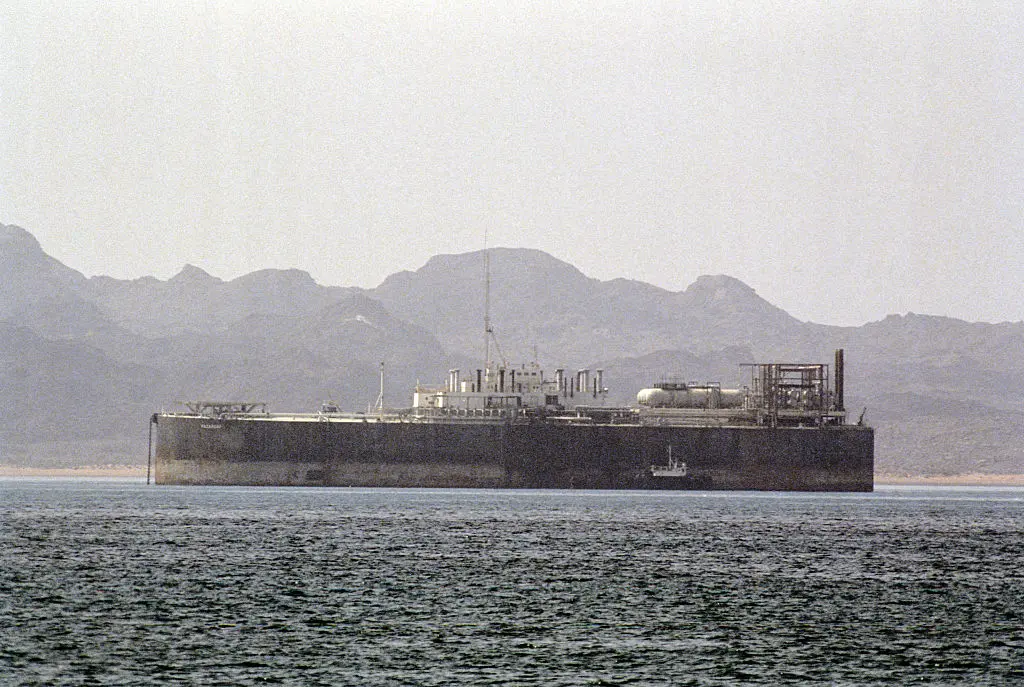
An unprecedented wave of Iranian‑directed drone strikes hit U. S. forces and Saudi energy sites last week, according to U. S. Central Command. The attacks coincide with Tehran’s decision to treat the Strait of Hormuz as a revenue stream, levying fees on vessels that pass through its waters. The move expands the theater of war while reshaping the region’s economic landscape.
Breaking news
 Fauci's Legal Woes May Deter Scientists from Public Service
 Europe's Defense Budget Is Set. Now Comes the Test of Delivery.
 Can AI Truly Free Women from the Mental Burden of Caregiving?
 Forced Feeding Allegations Surface in US Immigration Detention
Iran has begun charging ships for the right to navigate the Hormuz corridor, a tactic it calls „maritime tolls.” By threatening to disrupt oil flow with drone attacks, Tehran forces carriers to pay to avoid damage. Officials say the strategy aims to fund the nation’s war effort and offset sanctions that have crippled its economy. The United States warned that the drone barrage signals a shift from traditional kinetic weapons to financial coercion.
The new policy treats every passing tanker as a potential customer. Iran’s Revolutionary Guard claims the fees are „legitimate charges for the use of Iranian waters.” Critics argue the practice violates international maritime law and resembles extortion. Since the policy’s rollout, the number of vessels filing for safe‑passage agreements has risen sharply. Data from regional monitoring agencies show a 15 % increase in ships requesting Iranian clearance since early summer. Tehran argues the revenue will support reconstruction projects and military procurement, but analysts warn the approach could destabilize global oil markets.
Is the Drone Campaign a New Form of Economic Warfare?
The recent swarm of more than 30 drones illustrates how Tehran blends kinetic threats with financial pressure. U. S. Central Command described the strikes as „coordinated attacks aimed at disrupting critical energy infrastructure.” By targeting Saudi facilities and U. S. bases, Iran hopes to raise the cost of non‑compliance for foreign operators. Experts suggest the drone offensive serves a dual purpose: it showcases Tehran’s technical capabilities while reinforcing the urgency of paying the new „toll.” The strategy may compel shipping firms to negotiate with Iran, turning a military operation into a revenue‑generating enterprise.
The convergence of toll collection and drone intimidation could reshape the geopolitical calculus of the Gulf. If Iran succeeds, it may secure a steady cash flow despite sanctions, while forcing global powers to reconsider naval deployments in the region. However, the approach risks provoking a stronger military response from the United States and its allies, potentially escalating the conflict. Observers caution that the long‑term stability of the Strait hinges on diplomatic solutions that address both security and economic concerns.
Frequently Asked Questions
What exactly are the „maritime tolls” imposed by Iran? Iran demands payment from vessels that transit the Strait of Hormuz, labeling the charge as a fee for the use of Iranian waters. The amount varies by ship size and cargo type, and non‑payment may trigger drone attacks.
How do the recent drone attacks relate to the toll policy? The drones serve as coercive tools, signaling that ships refusing to pay risk damage. By demonstrating the ability to strike, Iran reinforces the financial incentive to comply with the toll demand.
What are the potential global impacts if Iran’s strategy succeeds? Successful toll collection could alter oil shipping costs, increase price volatility, and force major powers to reassess naval presence in the Gulf. It may also encourage other states to adopt similar revenue‑driven security tactics.