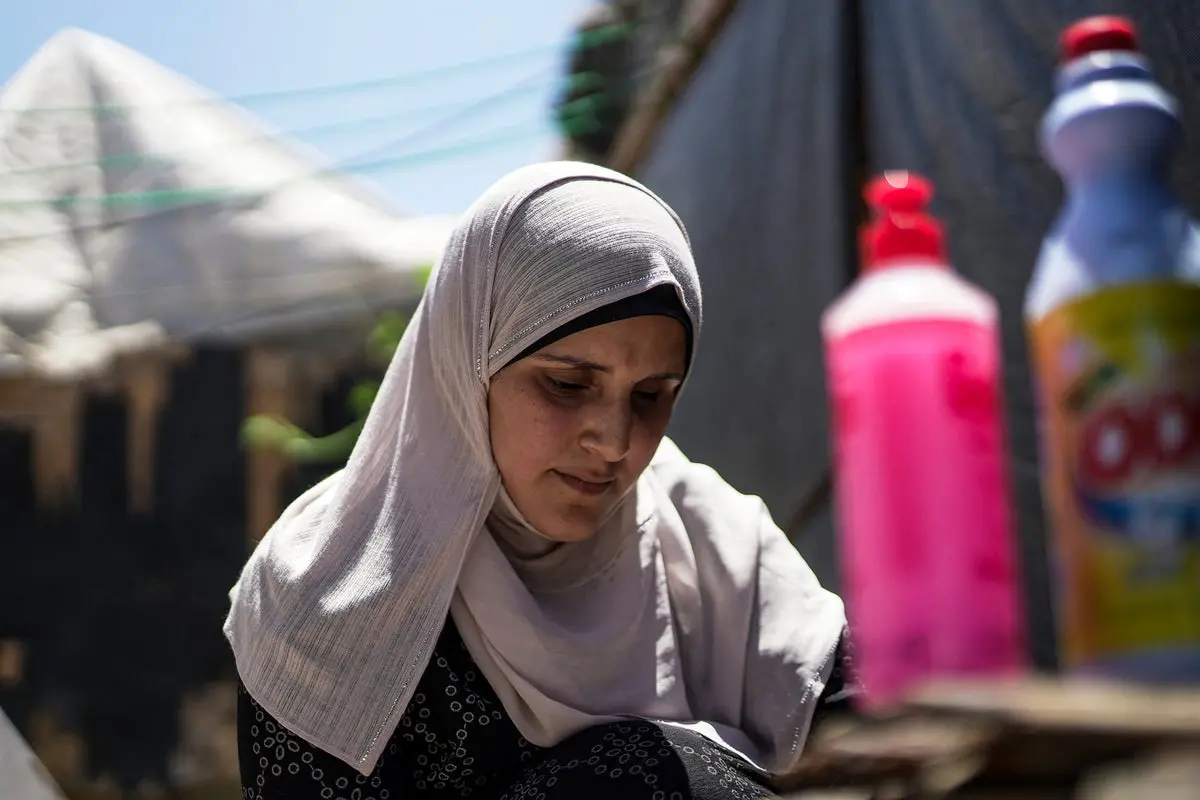
The Human Cost of Conflict
New data reveals a troubling trend in Gaza. Over 40% of pregnancies there now end in miscarriage. This stark statistic comes from a recent United Nations report. The report highlights a significant drop in the overall birth rate.
Breaking news
 Iran and Oman Set Hormuz Strait Shipping Lane Coordinates
 Michigan's Progressive Shift: Primary Results Signal Change
 US Lifts Sanctions on Entities Tied to Iran's Revolutionary Guard
 The Final Conversation: What to Say to Someone Nearing the End
The findings paint a grim picture for the region. This situation follows a period of intense conflict. The report did not specify exact causes for the increase. However, living conditions have severely deteriorated.
The UN report details the devastating impact on families. Many women are experiencing profound loss. The high rate of miscarriage suggests widespread health challenges. Access to proper medical care is often limited. Stress and malnutrition could be contributing factors.
What Does This Mean for Gaza's Future?
Hospitals in Gaza have faced immense pressure. Facilities like Al-Shifa have been severely damaged. This makes it harder to support pregnant women. The lack of resources affects prenatal and postnatal care.
The declining birth rate has long-term implications. It points to a crisis in public health. The well-being of women and children is at severe risk. This trend could reshape the demographics of the region. It also reflects the ongoing humanitarian emergency.
The international community is urged to respond. Support for healthcare infrastructure is critical. Addressing the root causes of stress and deprivation is essential. Restoring stability is vital for maternal and child health.
Frequently Asked Questions
What is the main finding of the UN report on Gaza? The report indicates that over 40% of pregnancies in Gaza now result in miscarriage. It also notes a significant decrease in the overall birth rate within the region.
What factors might contribute to the rise in miscarriages? While the report does not pinpoint exact causes, factors like severe stress, malnutrition, and limited access to adequate medical care are likely contributors to the increased miscarriage rate.
How has the conflict impacted healthcare for pregnant women in Gaza? The conflict has led to the damage of critical medical facilities, such as Al-Shifa hospital. This disruption severely limits access to essential prenatal and postnatal care for women.