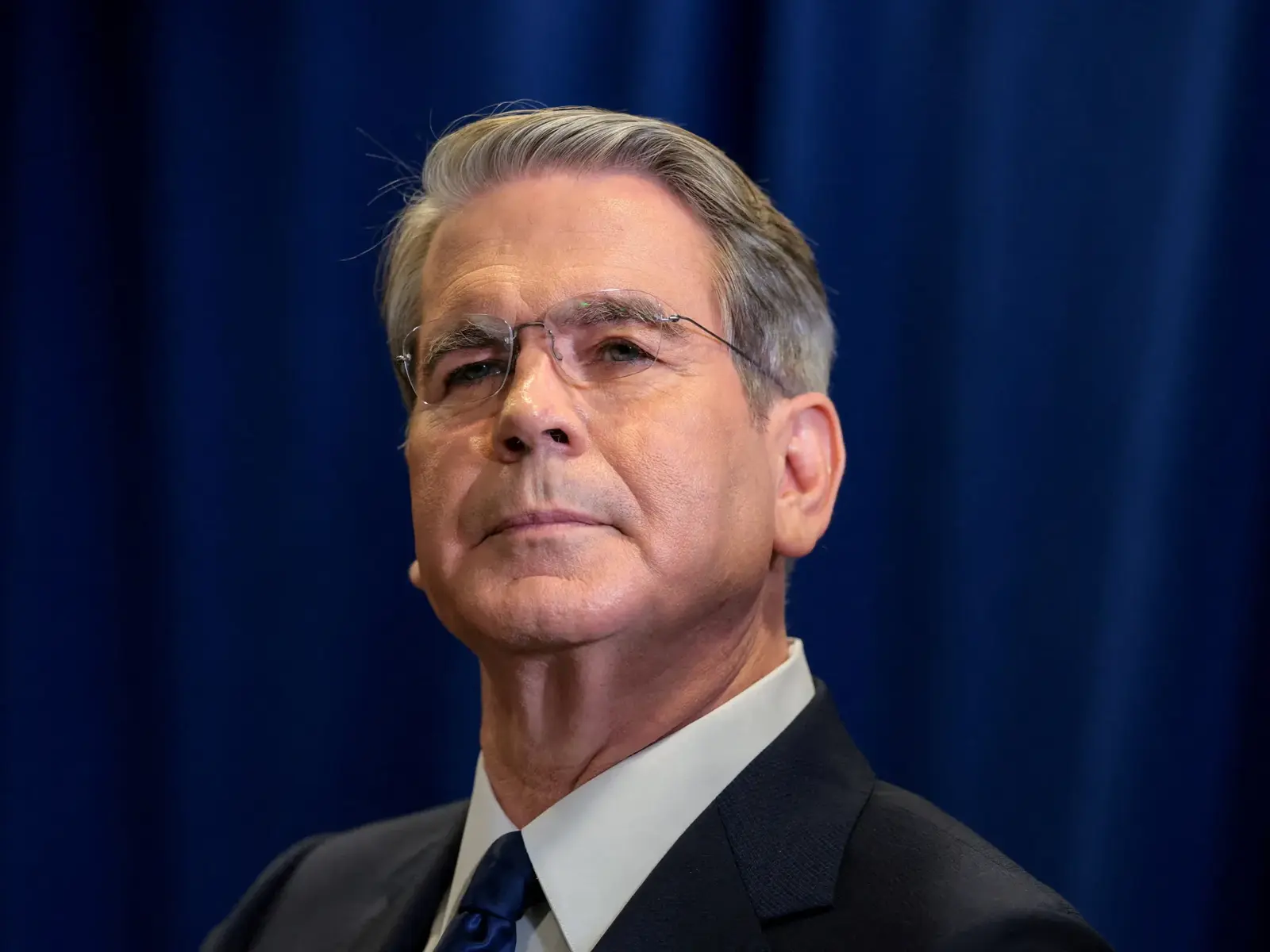
Immediate Implementation Remains Elusive
US Treasury Secretary Scott Bessent and Trade Representative Jamieson Greer met Chinese Vice Premier He Lifeng in Washington, urging Beijing to immediately fulfill its Busan trade commitments during a high‑level dialogue aimed at easing tariffs and technology restrictions that have strained the two economies.
Breaking news
 Renowned Ottoman Historian Engin Deniz Akarli Passes Away at 81
 Turkey says the new Israeli government will test whether hostilities will survive Netanyahu
 COP31 Opens Amid Fierce Negotiations Over Climate Funding
 War-Life Balance: A Young Ukrainian’s Daily Reality Amidst Constant Conflict
During the talks, Bessent stressed that China must fully and promptly implement the Busan agreement. He said the United States expects immediate action to lower tariffs and lift technology bans. Greer added that compliance will restore confidence and support broader trade talks. The Busan deal, reached earlier this year, seeks to reduce trade barriers and improve market access for both sides.
Bessent told He Lifeng that the United States will monitor China's progress closely. He warned that failure to act swiftly could trigger further trade measures.
Is China Ready to Meet Its Busan Obligations?
Greer noted that the Busan framework includes specific timelines for tariff cuts and technology licensing. He said any delay undermines the agreement's credibility.
Negotiators said the Busan agreement targets a 20% reduction in tariffs on selected goods and removes certain technology export controls.
When did the Busan trade deal take effect?
US officials fear that delayed implementation will erode trust and could prompt further investigations into Chinese market practices.
The United States has set a deadline for China to begin tariff reductions within the next quarter.
He Lifeng replied that Beijing will review its schedule and report back to Washington by early November.
What specific actions is the US demanding from China?
Analysts say the outcome will affect supply chains for semiconductors and agricultural exports.
Failure to honor the Busan commitments could reignite tariff wars and slow economic growth in both nations. Conversely, successful implementation may pave the way for expanded trade talks and greater market openness.
How might non‑compliance impact US‑China relations?
The agreement was signed earlier this year and became effective on March 1. Both sides committed to review progress quarterly.
The United States wants China to lower tariffs immediately and lift technology restrictions on key sectors. It also asks for a clear timetable for these measures.
Continued delays could lead to renewed tariffs and a cooling of diplomatic ties. Both economies would face higher costs and slower growth.