Technology and Trade Dominate the Diplomatic Agenda
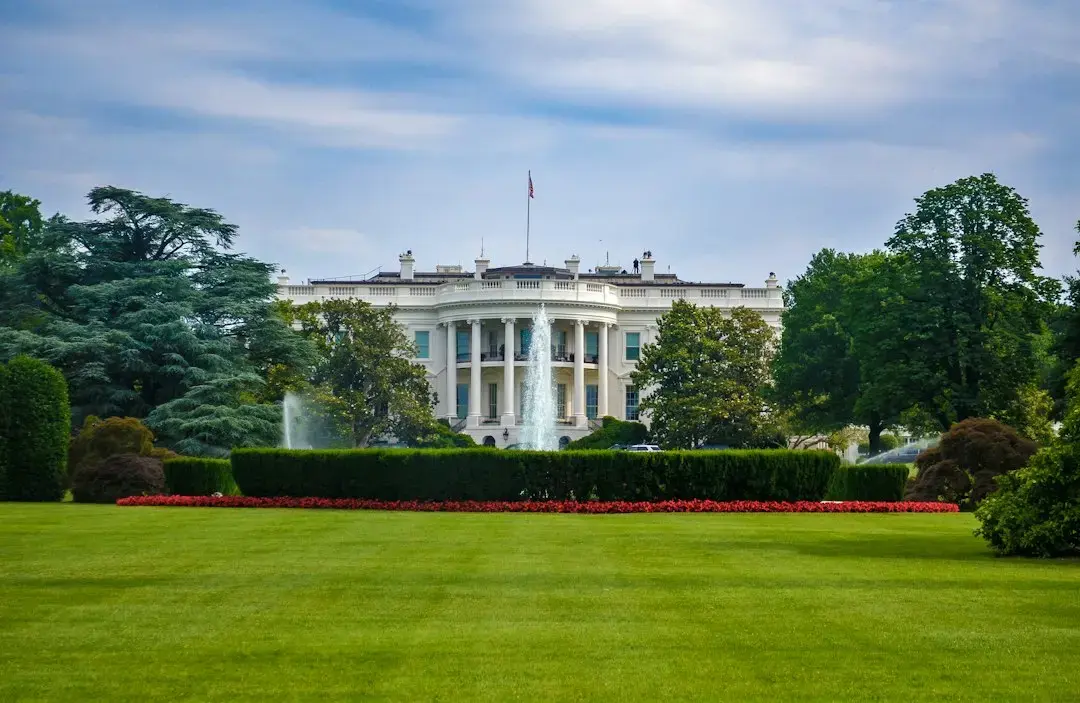
US President Donald Trump and Chinese President Xi Jinping are convening in Washington this week. This marks Xi’s first official state visit to the United States in over ten years. Their previous meeting occurred in 2015 under President Barack Obama. That earlier summit focused heavily on cybercrime, technology, and climate change. Now, the two leaders return to the negotiating table. They aim to address pressing global issues. The agenda includes trade disputes and technological security. Both nations seek to stabilize their complex relationship. Observers expect intense discussions on key economic fronts. The outcome could shape future bilateral relations significantly.
Breaking news
 Trump Rejects AI Safety Measures Amid China Competition
 Behavioral Health and the Justice System: Accreditation and Continuity-of-Care Standards for Justice-Involved Individuals
 Britney Spears Dazzles in Bold Lingerie Shoot
 South Korea Weighs Strong Response After DMZ Landmine Blast
The core of these negotiations centers on two critical areas. First, the leaders will discuss technological security concerns. Both countries compete fiercely in advanced computing and artificial intelligence. Second, they will review current trade connections between the US and China. These commercial ties remain vital for global markets. Disputes over tariffs and market access persist. The leaders hope to find common ground. They intend to reduce friction in cross-border commerce. This focus reflects the shifting dynamics of the global economy. Each side brings distinct priorities to the table. The goal is a balanced framework for future cooperation.
Will Climate Change Return to the Forefront?
Climate policy may not lead the discussion this time. In 2015, environmental issues were a major talking point. However, recent political shifts have altered priorities. The current agenda prioritizes immediate economic and security matters. Human rights discussions might take a back seat. Instead, the focus remains on tangible economic outcomes. Leaders will likely exchange views on energy transitions. Yet, detailed climate commitments may wait for later talks. This shift highlights the evolving nature of diplomatic priorities. The emphasis is now on practical, near-term solutions.
The summit sets the stage for the coming year. Successful talks could ease tensions between the superpowers. A breakdown in dialogue risks renewed trade friction. Markets will closely watch for any announcements. Investors seek clarity on tariff policies. The world awaits signals on technological cooperation. This meeting represents a pivotal moment for global stability. The decisions made here will ripple across industries. Both nations face domestic pressures to show progress. The final joint statement will define the tone. It will guide future interactions between Washington and Beijing.
When was the last time Xi visited the US? President Xi Jinping last visited the United States in 2015. That trip took place during the presidency of Barack Obama. It has been more than a decade since his previous state visit.
Frequently Asked Questions
What are the main topics for discussion? The primary topics include technological security and trade relations. Leaders will also address broader economic connections. These issues form the backbone of the current diplomatic engagement.
How does this compare to the 2015 summit? The 2015 agenda featured climate change and human rights prominently. The current summit focuses more on trade and tech. This reflects a shift toward immediate economic concerns.