Unwinding Leveraged Bets
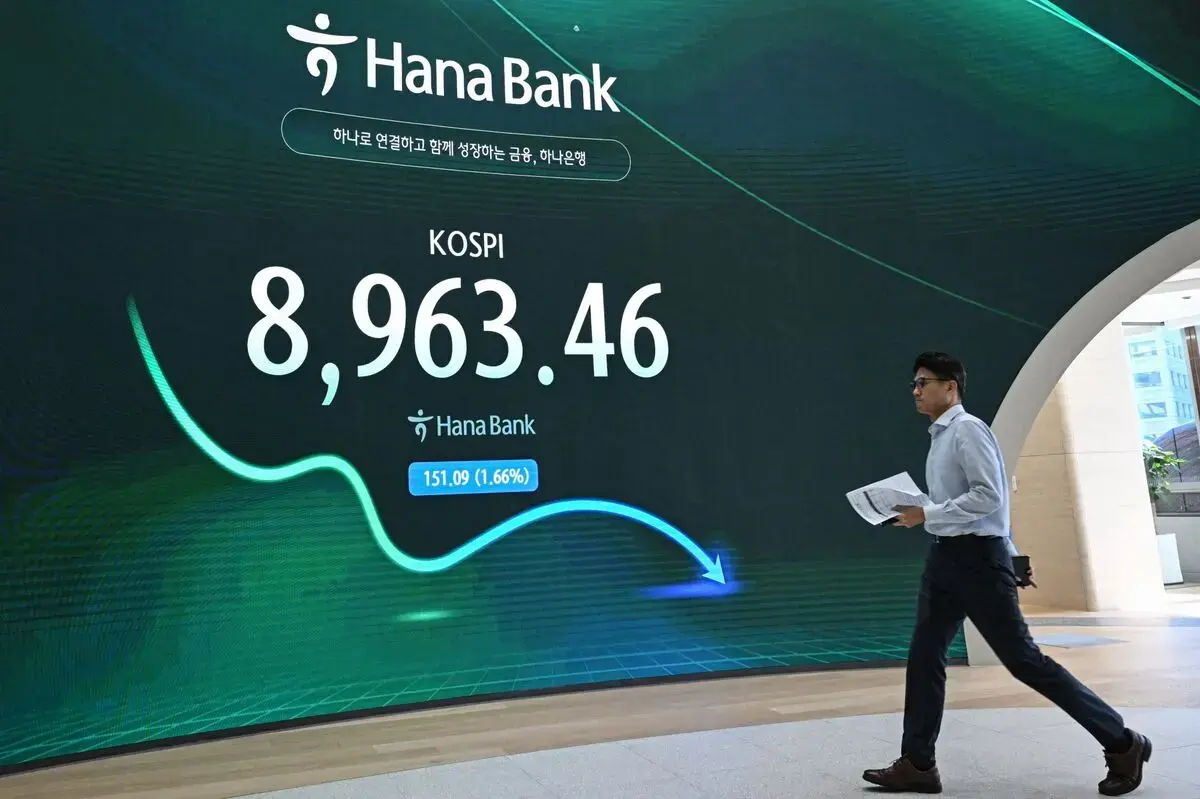
South Korean leveraged exchange-traded funds (ETFs) sold an estimated $6 billion worth of shares as the market plummeted. These funds, which track major companies like Samsung Electronics Co. and SK Hynix Inc., were forced to liquidate assets to meet investor redemptions.
Breaking news
 Deadly Glacier and Rock Collapse in Nepal Linked to Climate Warming
 US Congress Passes Sweeping Sanctions Against Russia
 Speaker Johnson Ends House Session Early to Halt Impeachment Effort
 The High-Stakes Fight for Senate Majority Control
The sell-off was triggered by a sharp decline in the Korean market, prompting investors to withdraw from leveraged ETFs. As a result, fund managers had to sell underlying assets to cover redemptions, exacerbating the market downturn.
Can Leveraged ETFs Recover?
The leveraged ETFs, designed to amplify returns, were caught off guard by the sudden market reversal. As investors scrambled to exit, fund managers were forced to sell shares, further depressing prices. This created a vicious cycle, with falling prices triggering more redemptions and subsequent sell-offs.
The scale of the sell-off was significant, with an estimated $6 billion worth of shares dumped on the market. This had a ripple effect, contributing to the broader market decline.
The outlook for leveraged ETFs remains uncertain, as they face ongoing redemptions and market volatility. Investors are likely to remain cautious, and fund managers will need to navigate the challenging market conditions.
Frequently Asked Questions
The consequences of the sell-off will be closely watched, as it may have implications for the broader Korean market and leveraged ETFs.
What triggered the sell-off in leveraged Korea ETFs? The sharp decline in the Korean market prompted investors to withdraw, forcing fund managers to liquidate assets. How much did leveraged Korea ETFs sell? An estimated $6 billion worth of shares were sold. What are the implications for investors? Investors are likely to remain cautious, and fund managers will need to navigate ongoing market volatility.