Avoiding the Unavoidable
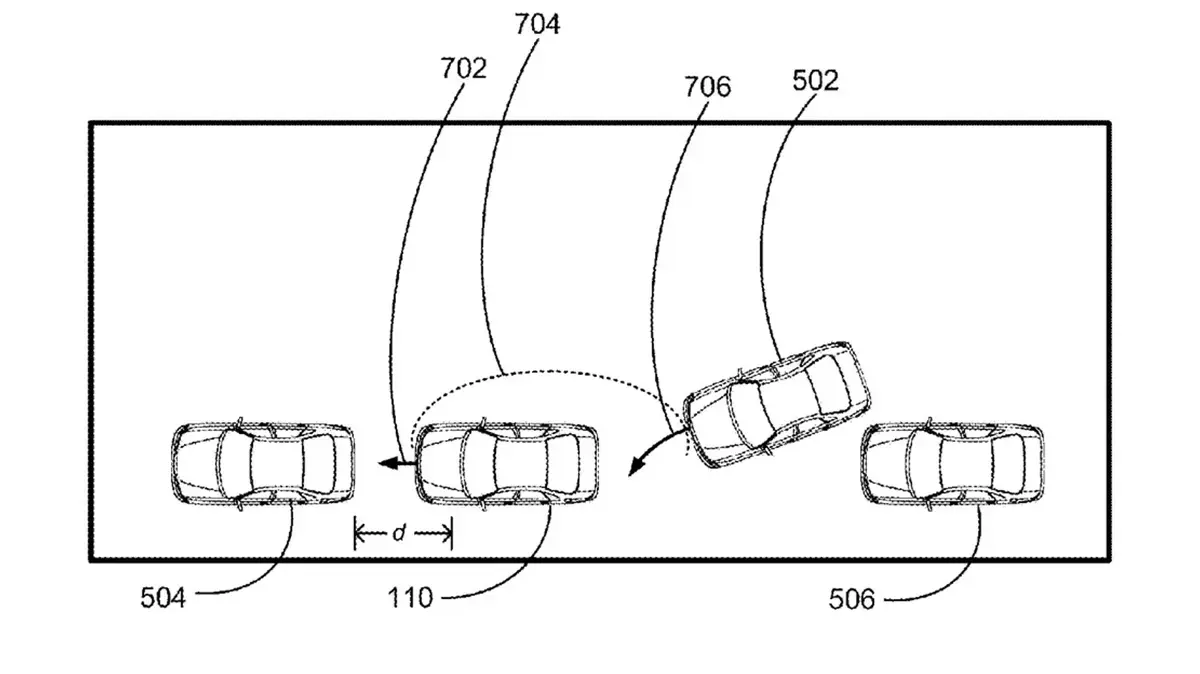
The US Patent and Trademark Office recently granted Ford a patent for technology that enables parked cars to move on their own to avoid collisions. This innovation was revealed on May 10, 2026. The patent aims to reduce damage to parked vehicles.
Breaking news
 Deadly Glacier and Rock Collapse in Nepal Linked to Climate Warming
 US Congress Passes Sweeping Sanctions Against Russia
 Speaker Johnson Ends House Session Early to Halt Impeachment Effort
 The High-Stakes Fight for Senate Majority Control
The technology allows a parked Ford vehicle to detect an impending collision and autonomously move out of the way. For instance, if a rogue shopping cart is heading towards a parked Mustang Mach-E, the car can reposition itself to avoid the impact. This is made possible by the vehicle's advanced sensors and navigation system, which work together to detect potential hazards and execute evasive maneuvers.
The system relies on a combination of cameras, radar, and lidar sensors to monitor the surroundings and predict potential collisions. If a threat is detected, the vehicle can move to a safe location, avoiding damage. This technology has the potential to significantly reduce the number of minor collisions that occur in parking lots.
Can Autonomous Parking Tech Become a Reality?
Regulatory hurdles remain a significant challenge for the widespread adoption of this technology. Currently, laws and regulations governing autonomous vehicles vary by jurisdiction, and it's unclear whether they will be amended to permit parked cars to move on their own.
The introduction of this technology could revolutionize the way we think about parking and vehicle safety. If regulations evolve to allow autonomous parking maneuvers, drivers may be able to enjoy greater peace of mind when leaving their vehicles unattended.
Frequently Asked Questions
How does the technology detect potential collisions? The system uses a combination of cameras, radar, and lidar sensors to monitor the surroundings and predict potential hazards.
Will this technology be available on all Ford models? The patent does not specify which Ford models will be equipped with this technology, but it's likely to be introduced on high-end or autonomous vehicles first.
Can this technology be used in other scenarios, such as avoiding pedestrians? The patent primarily focuses on avoiding collisions with objects, but it's possible that future iterations could be adapted to detect and respond to pedestrians or other vulnerable road users.