Political Uncertainty Fuels Currency Weakness
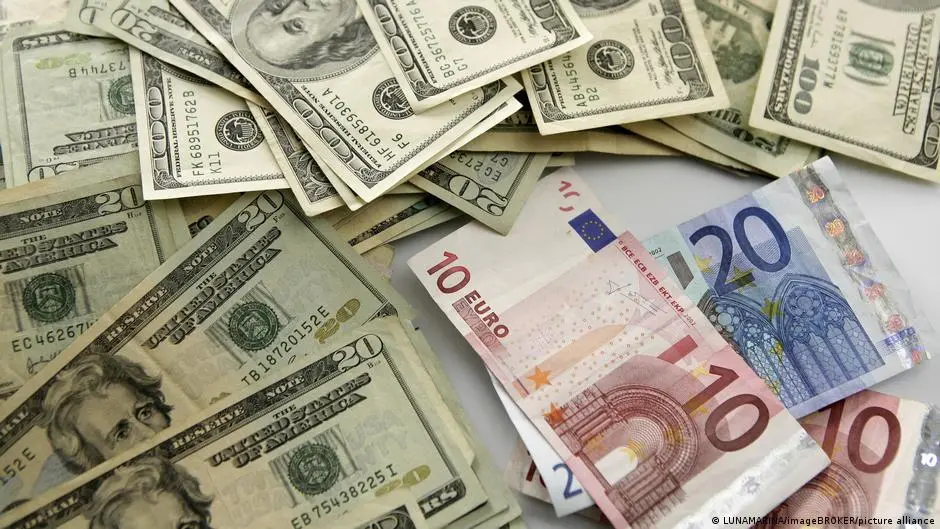
The euro fell sharply against the U. S. dollar on Tuesday, reaching a 17‑month low that could worsen inflation across the European Union. The drop came amid growing political uncertainty and concerns over France’s debt levels, prompting worries that a fiscal crisis may be looming.
Breaking news
 South Korea Weighs Strong Response After DMZ Landmine Blast
 Quebec Separatists Promise Referendum After Election Victory
 Pacific Leaders Demand Firm Commitment to Fossil Fuel Exit
 Green Party Faces Crisis After Controversial Vote
The decline in the euro’s value is part of a broader trend of weakening European currencies. Investors are reacting to a mix of domestic political turbulence, particularly in France, and broader economic pressures. A weaker euro means higher import costs, which can push consumer prices upward and strain the EU’s inflation targets.
Could a Fiscal Crisis Be on the Horizon?
Political instability in France has been a key driver of the euro’s slide. Recent parliamentary votes and debates over fiscal policy have left markets unsure about the trajectory of the country’s debt. Analysts note that uncertainty about France’s ability to manage its fiscal position has increased risk premiums on euro‑denominated assets. This volatility is reflected in the currency market, where the euro has traded below 1.10 against the dollar for the first time in over a year.
The European Central Bank (ECB) has maintained a cautious stance, signalling that it will monitor inflation closely but has not yet indicated a shift in monetary policy. However, the currency’s weakness could undermine the ECB’s efforts to keep inflation near its 2% target. A higher import price base could push core inflation upward, forcing the ECB to consider tightening measures sooner than planned.
Outlook: Market Volatility and Policy Dilemmas
The euro’s drop raises the question of whether the EU is heading toward a fiscal crisis. France’s debt-to-GDP ratio has been rising, and the country’s budget deficit has exceeded the 3% limit set by the EU. If France struggles to refinance its debt, the ripple effects could spread to other member states, especially those with similar fiscal vulnerabilities.
European policymakers are under pressure to find a balance between fiscal discipline and economic growth. Some experts argue that a coordinated fiscal stimulus could stabilize the euro and support growth, while others warn that such measures could exacerbate debt levels. The ECB’s recent statements suggest a willingness to support the economy, but only within the confines of its mandate.
The euro’s weakness also affects cross‑border trade. A lower euro makes European exports more competitive but raises the cost of imports, potentially widening the trade deficit. This shift could further strain the EU’s economic balance and increase inflationary pressures.
Frequently Asked Questions
In the near term, the euro is likely to remain volatile as markets digest political developments and fiscal data. The ECB’s policy stance will be closely watched, as any hint of tightening could further dampen the currency. Meanwhile, European governments may need to negotiate fiscal reforms to reassure investors and prevent a debt spiral.
The combination of a weaker euro, rising inflation, and political uncertainty could create a challenging environment for the EU’s economic stability. Policymakers will need to act decisively to restore confidence and prevent a deeper crisis.