Understanding Autoantibodies and Their Impact on Brain Health
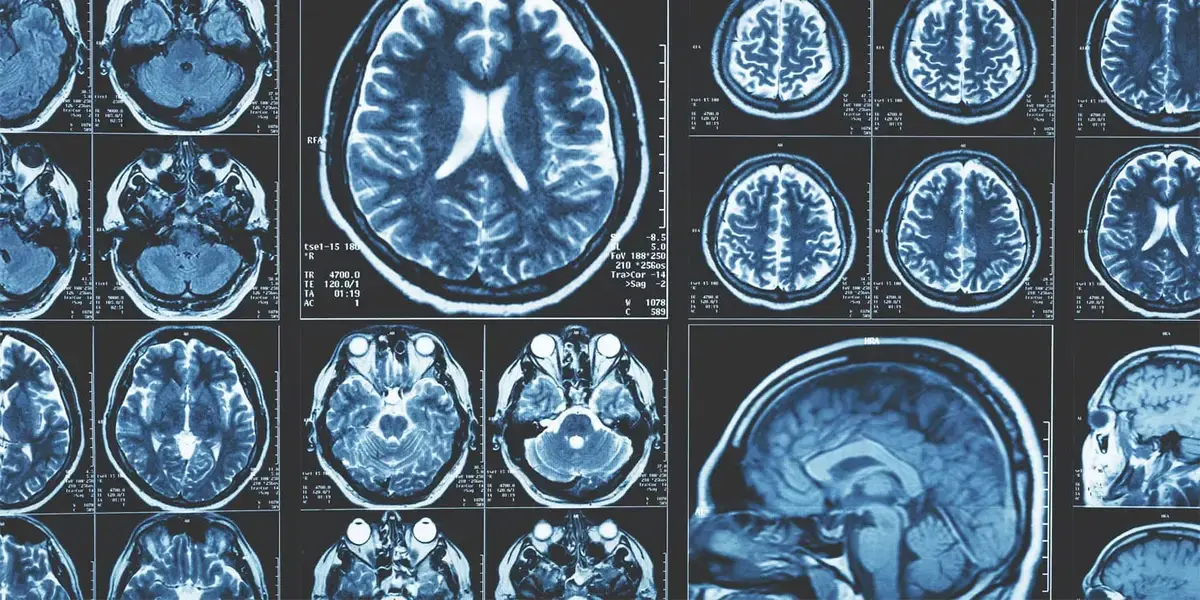
Researchers in Singapore have observed a significant increase in autoantibodies that target the brain during the initial year of the COVID-19 pandemic. This study, which analyzed extensive laboratory data, highlights the potential neurological impacts of the virus. The findings were released recently, shedding light on a critical aspect of the pandemic's health implications.
Breaking news
 Greenpeace Investigates Zaporizhzhia Nuclear Plant Power Lines
 Researcher warns strict age limits needed for children on social media
 Hezbollah defends its arsenal amid Lebanese political deadlock
 Can an AI Chatbot Reduce Maternal Deaths in Kenya?
The study revealed that the levels of these autoantibodies, which can lead to brain inflammation, surged early in the pandemic. However, as vaccination campaigns progressed and less severe variants of the virus emerged, the rates of these autoantibodies returned to pre-pandemic levels. Scientists believe that the widespread vaccination efforts played a crucial role in mitigating these immune responses.
Autoantibodies are immune proteins that mistakenly attack the body’s own tissues. In this case, they target the brain, potentially leading to various neurological issues. The research team conducted a comprehensive analysis, comparing data from before and during the pandemic. They found that the spike in autoantibodies correlated with the number of COVID-19 cases reported in Singapore.
What Does This Mean for Future Health Monitoring?
The implications of these findings are significant. Researchers suggest that the immune response triggered by the virus may have lasting effects on brain health. The study emphasizes the need for continued monitoring of neurological symptoms in COVID-19 survivors, particularly those who experienced severe illness.
How should health officials respond to these findings? The increase in autoantibodies raises concerns about the long-term neurological effects of COVID-19. Experts recommend that health systems implement strategies to track and manage potential complications that may arise from these immune responses.
As the pandemic evolves, understanding the relationship between COVID-19 and autoimmune responses will be vital. Continued research will help clarify the long-term effects of the virus on brain health and guide future public health policies.
Frequently Asked Questions
The results of this study underline the importance of vaccination and ongoing research into the effects of COVID-19. As the world adapts to living with the virus, ensuring comprehensive healthcare for those affected will be crucial.
What are autoantibodies? Autoantibodies are antibodies produced by the immune system that mistakenly target and attack the body's own cells. They can contribute to various autoimmune diseases.
Why is this research important? This research is essential because it highlights the potential neurological effects of COVID-19, emphasizing the need for monitoring and understanding long-term health consequences for survivors.