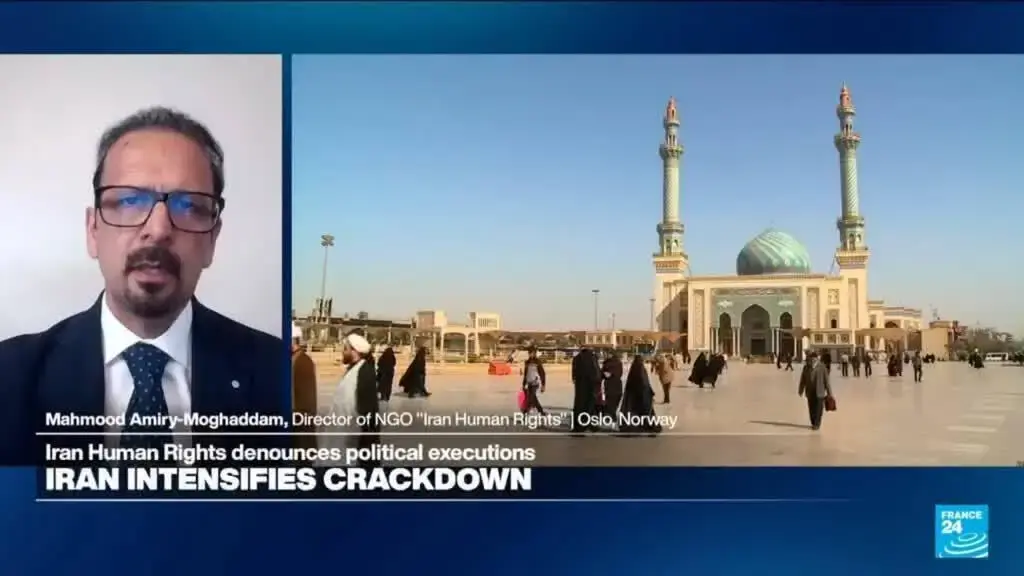
Europe's Role in Human Rights
Nadia Massih is set to interview Mahmood Amiry-Moghaddam, director of the Norway-based Iran Human Rights organisation. The conversation comes amid heightened tensions between the US and Iran. Massih is a journalist and human rights activist. The US and Iran have been at odds since the US withdrew from the nuclear deal in 2018 and reimposed sanctions on Tehran.
Breaking news
 Greenpeace Investigates Zaporizhzhia Nuclear Plant Power Lines
 Researcher warns strict age limits needed for children on social media
 Hezbollah defends its arsenal amid Lebanese political deadlock
 Can an AI Chatbot Reduce Maternal Deaths in Kenya?
Amiry-Moghaddam believes Europe can play a crucial role in addressing human rights issues in Iran. He argues that the US conflict with Iran is not about the Iranian people, but rather about geopolitical interests. The Iranian government has been accused of widespread human rights abuses, including suppressing protests and executing prisoners.
Can Diplomacy Bring Change?
Amiry-Moghaddam suggests that European countries can use diplomatic channels to pressure Iran to improve its human rights record. He notes that the international community has a responsibility to hold Iran accountable for its actions. The Iranian government's response to protests has been met with international condemnation.
Frequently Asked Questions
The outcome of the US-Iran conflict remains uncertain, but one thing is clear: the Iranian people's human rights are at stake. Europe's response will be crucial in determining the future of human rights in Iran.
What is the main issue with the US-Iran conflict? The conflict is not about the Iranian people, but rather about geopolitical interests. The US has reimposed sanctions, harming the Iranian economy. How can Europe influence Iran's human rights record? Europe can use diplomatic channels to pressure Iran to improve its human rights record. What are the consequences of inaction? The Iranian people will continue to suffer from human rights abuses, and the situation may escalate further.