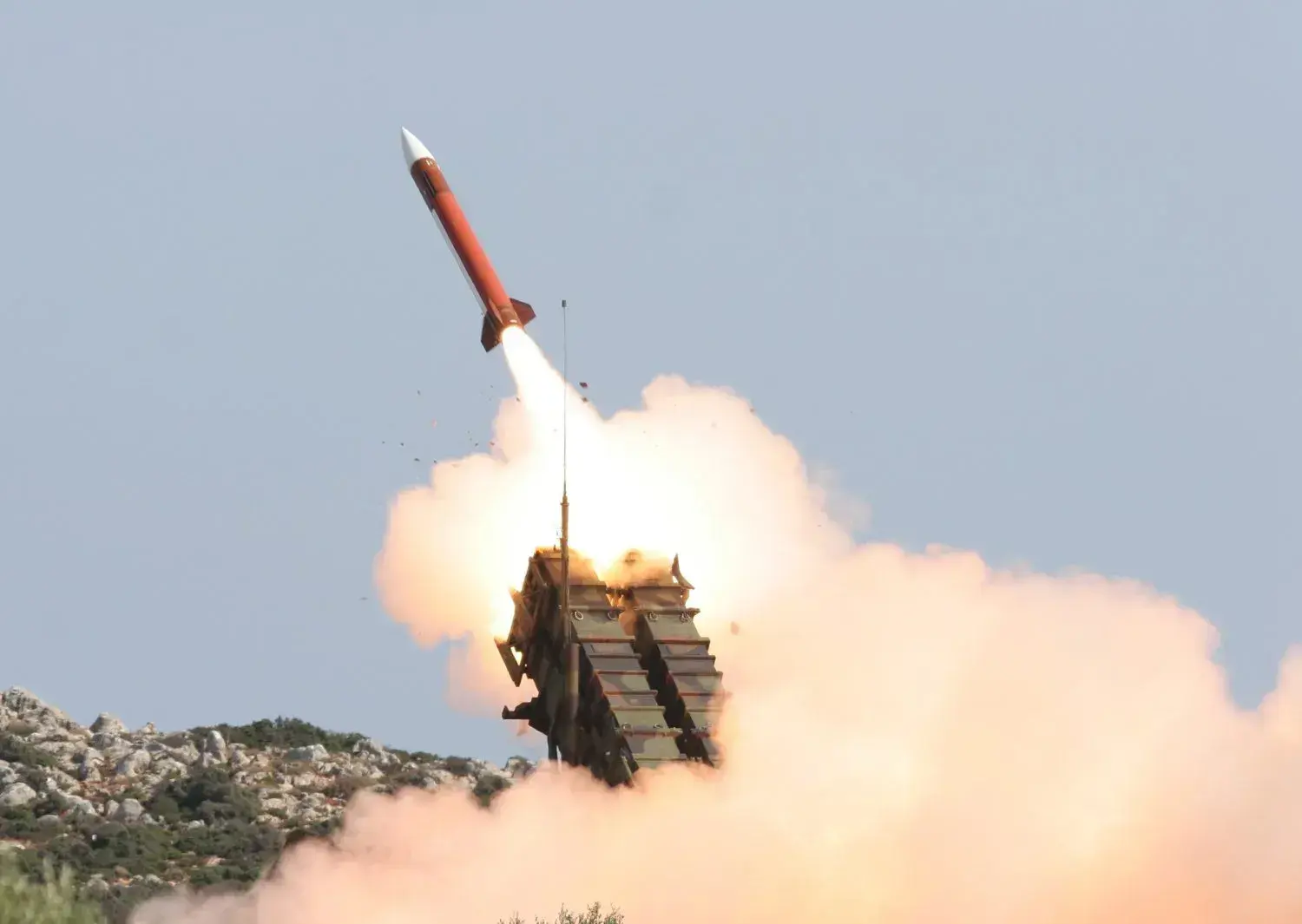
Depleting Reserves at Record Pace
The administration is grappling with the logistics of sustaining high-intensity strikes while managing limited reserves. The war has exposed gaps in the defense industrial base’s ability to replenish inventory quickly. Decision-makers must now balance immediate tactical needs with long-term strategic endurance. The pressure on the Pentagon to justify continued spending is mounting significantly.
Breaking news
 Deadly Glacier and Rock Collapse in Nepal Linked to Climate Warming
 US Congress Passes Sweeping Sanctions Against Russia
 Speaker Johnson Ends House Session Early to Halt Impeachment Effort
 The High-Stakes Fight for Senate Majority Control
The core issue involves the rate of expenditure versus production capacity. The United States launched a massive volume of precision-guided missiles in the opening days of the engagement. These weapons are expensive and complex to manufacture. Factories cannot simply turn up the dial overnight to match the consumption rate. Analysts note that the initial burst of firepower was designed to overwhelm Iranian air defenses. However, maintaining that level of intensity requires a steady supply chain that currently lags behind demand. The gap between usage and replacement creates a widening deficit in the national stockpile.
Can Production Keep Up With Demand?
Military planners are reviewing options to extend the range of existing systems. They are also accelerating procurement contracts for new batches of interceptors and cruise missiles. The question remains whether private contractors can scale up output without sacrificing quality or reliability. Historical data suggests that ramping up production takes months, not weeks. During this interim period, the military may need to prioritize specific high-value targets. This selective approach aims to conserve ammunition for future phases of the campaign. Leaders are debating whether to slow the tempo of attacks to preserve resources.
The consequences of this shortage extend beyond the immediate battlefield. If munitions run low, the United States loses its primary leverage in negotiations. A prolonged conflict could force a shift to less precise, cheaper weapons. This might increase collateral damage risks and alter the strategic calculus. The administration must decide if it can sustain the current pace or if a pause is necessary. Future conflicts will likely face similar constraints unless the industrial base expands significantly. For now, the math is simple: spending outpaces making. The window for unlimited firepower is closing fast.
Frequently Asked Questions
How quickly are missiles being used up? Stockpiles are depleting at a rate far higher than standard operational assumptions. The initial surge in launches consumed a significant portion of available inventory within days.
Can factories produce missiles faster? Production increases are possible but take time due to complex manufacturing processes. Scaling up requires additional raw materials and skilled labor, which are currently in high demand.