Beyond the Battlefield: Economic Coercion
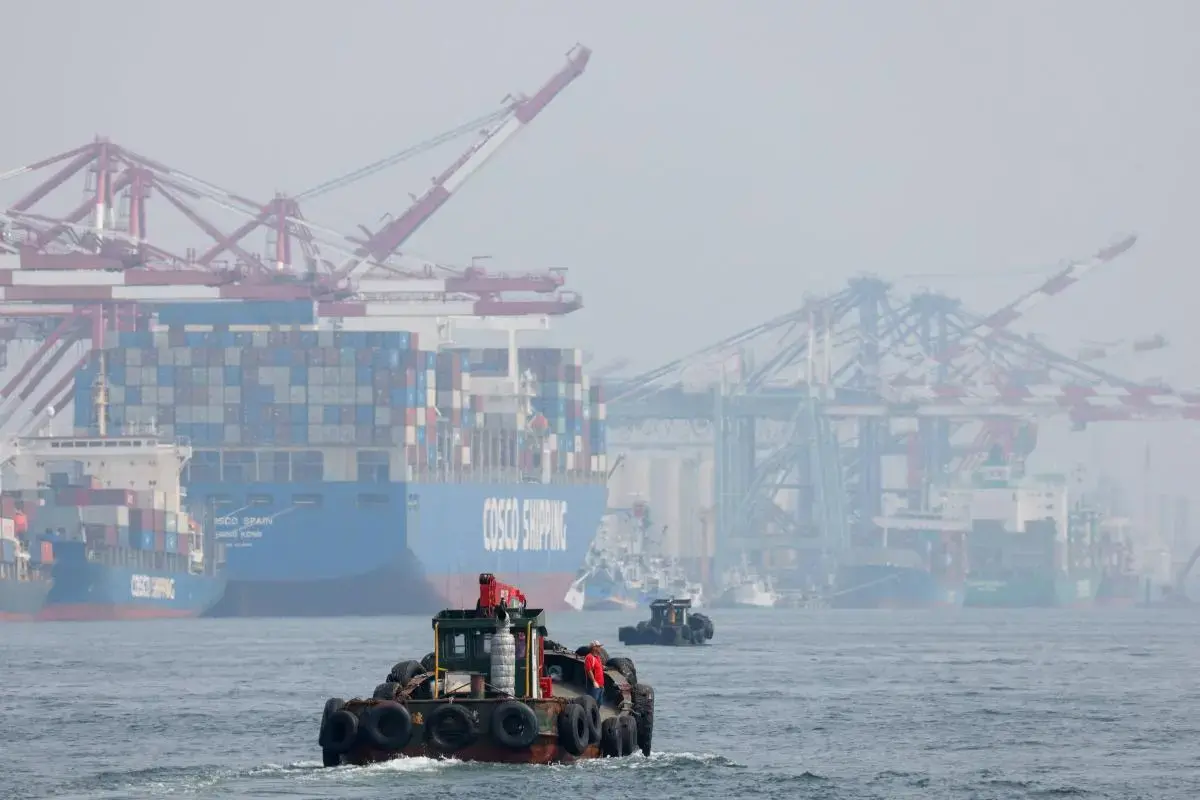
Analysts suggest the United States is miscalculating the primary threat to Taiwan. The island nation faces escalating risks, but not necessarily the invasion scenario currently dominating defense planning. This assessment comes amid growing tensions in the Indo-Pacific region, observed in March 2026 at a port in Kaohsiung.
Breaking news
 Deadly Glacier and Rock Collapse in Nepal Linked to Climate Warming
 US Congress Passes Sweeping Sanctions Against Russia
 Speaker Johnson Ends House Session Early to Halt Impeachment Effort
 The High-Stakes Fight for Senate Majority Control
Current US strategy largely anticipates a full-scale military invasion by China. Preparations focus on naval blockades and direct combat scenarios. However, experts believe this overlooks a more probable, and insidious, danger: a gradual strangulation of Taiwan’s economy and infrastructure. This could happen through escalating gray zone tactics.
China is increasingly employing tactics short of open warfare. These include cyberattacks, disinformation campaigns, and economic pressure. These actions aim to erode Taiwan’s resilience and public support for independence. A blockade isn't necessarily a sudden, dramatic event. It could manifest as increasingly restrictive customs inspections and disruptions to vital supply chains.
Can Taiwan Withstand Constant Pressure?
These subtle pressures are designed to slowly cripple Taiwan’s economy. They create internal instability without triggering a large-scale military response from the US. The focus shifts from defending against missiles to maintaining economic viability under constant duress. This is a far more complex challenge for both Taiwan and its allies.
Taiwan’s dependence on trade makes it particularly vulnerable. A significant portion of its exports flow through Chinese-controlled waters. Disruptions to shipping lanes, even temporary ones, could have devastating consequences. The island’s energy supply is also heavily reliant on imports. China could exert control by limiting access to crucial resources.
The US is preparing for a conventional war. It is stockpiling weapons and conducting large-scale military exercises. However, these preparations do little to address the economic vulnerabilities. Strengthening Taiwan’s economic resilience requires a different approach. This includes diversifying trade partners and investing in critical infrastructure. It also demands robust cybersecurity measures to protect against attacks.
The consequences of failing to recognize this shift are significant. A weakened Taiwan is more susceptible to political manipulation. It could eventually be forced to accept terms unfavorable to its democratic values. The US must broaden its strategic focus. It needs to prioritize economic security alongside military preparedness. This will ensure Taiwan can withstand a more nuanced and dangerous form of aggression.
Frequently Asked Questions
What is a „gray zone” tactic? Gray zone tactics are actions that fall between traditional peace and war. They are designed to achieve strategic objectives without triggering a full-scale conflict. These often involve economic pressure, cyberattacks, and disinformation.
Why is Taiwan’s economy so vulnerable? Taiwan relies heavily on international trade, particularly with China. This dependence creates a vulnerability that China can exploit through economic coercion and disruptions to supply chains. Diversifying trade is key to mitigating this risk.
How can the US better support Taiwan? The US should focus on bolstering Taiwan’s economic resilience. This includes diversifying trade, strengthening cybersecurity, and investing in critical infrastructure. Military preparedness remains important, but it's not the only answer.