How are global bond markets reacting to the upcoming decisions?
The US Federal Reserve, the Bank of England, and the Bank of Japan are all set to announce key interest rate decisions this week. These moves come as inflation remains stubbornly high across major economies, prompting central banks to reassess their monetary policy stance. The timing coincides with heightened volatility in global bond markets and growing concerns over the economic fallout from the Iran conflict.
Breaking news
 Deadly Glacier and Rock Collapse in Nepal Linked to Climate Warming
 US Congress Passes Sweeping Sanctions Against Russia
 Speaker Johnson Ends House Session Early to Halt Impeachment Effort
 The High-Stakes Fight for Senate Majority Control
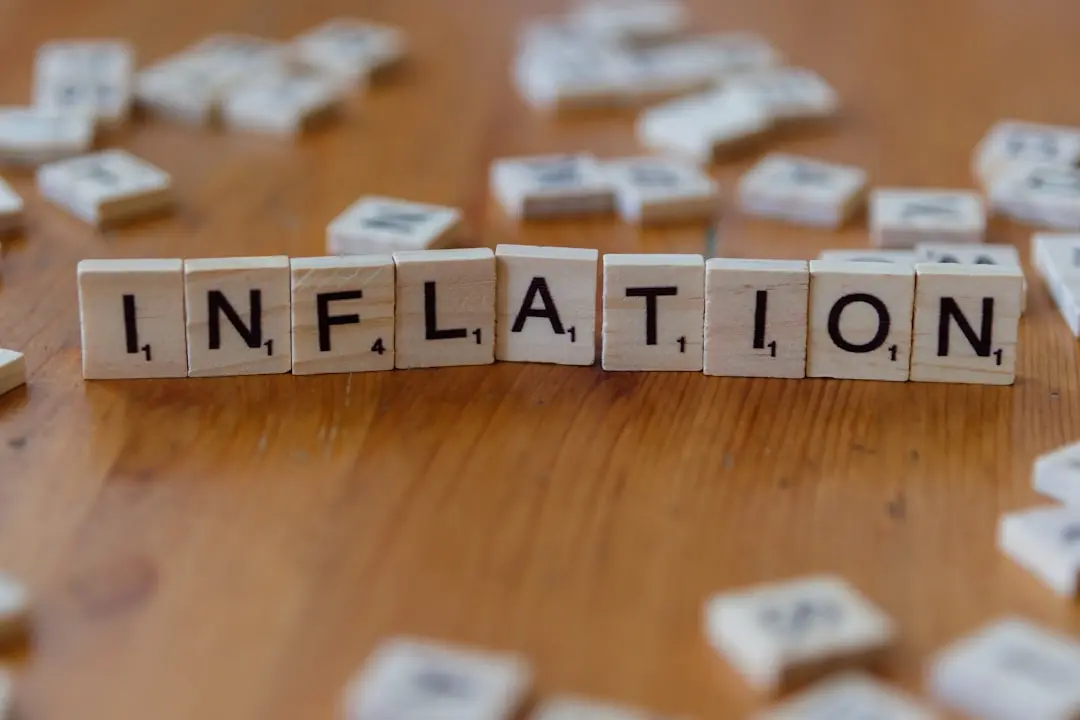
Inflation pressures have persisted despite earlier rate hikes, driven by energy costs, supply chain disruptions, and strong domestic demand. In the US, consumer prices remain above the Fed’s 2% target, while the UK continues to grapple with services inflation. Japan, long accustomed to deflation, is now seeing sustained price increases, marking a significant shift in its economic trajectory. Policymakers face a delicate balance: tightening too much risks stalling growth, while acting too slowly could entrench inflation.
What impact could the Iran conflict have on inflation and rate decisions?
Global bond markets have shown increased turbulence ahead of the central bank meetings, with yields fluctuating as investors price in various policy outcomes. In the US, Treasury yields have risen on expectations of a hawkish Fed stance, while UK gilts have faced pressure due to persistent inflation data. Japanese government bonds have also experienced volatility, reflecting uncertainty over whether the BOJ will adjust its ultra-loose policy. Analysts note that bond market movements are increasingly influencing central bank deliberations, as financing costs for governments and corporations rise.
The escalation in tensions involving Iran has raised fears of disruptions to oil supplies, potentially pushing energy prices higher and adding to inflationary burdens. Analysts warn that any significant spike in crude oil costs could complicate efforts to bring inflation under control, especially in energy-importing nations like Japan and the UK. While central banks typically look through temporary supply shocks, prolonged geopolitical instability may force a reassessment of how transitory these pressures truly are. This external factor adds another layer of complexity to an already challenging policy environment.
Why are the Fed, BOE, and BOJ meeting at the same time? The timing is coincidental but significant, as all three central banks follow regular policy schedules that have aligned this week amid shared inflation concerns.
Frequently Asked Questions
Could any of these banks cut rates this week? None are expected to cut rates; the Fed and BOE are likely to hold or hike, while the BOJ may maintain or slightly adjust its negative rate policy.
How long will high inflation likely persist? Officials suggest inflation may remain above target for much of the year, depending on energy prices, wage growth, and the resolution of supply-side pressures.