Remembering the Past, Demanding Justice
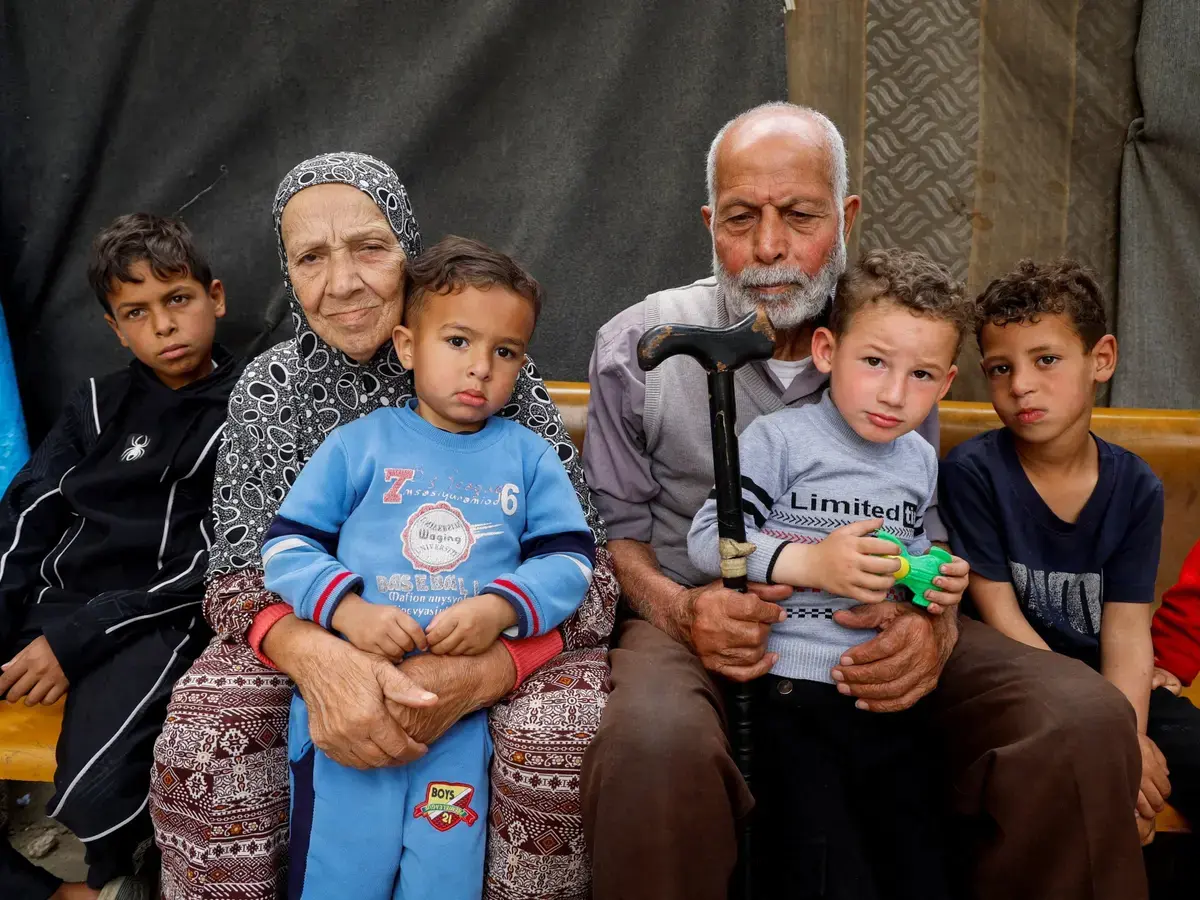
On May 15, millions of Palestinians around the world observed the 78th anniversary of the Nakba, or „catastrophe.”This event marks the mass displacement of Palestinians during the 1948 Arab-Israeli war. Commemorations took place in various locations, including the West Bank, Gaza Strip, and within Palestinian communities abroad.
Breaking news
 Deadly Glacier and Rock Collapse in Nepal Linked to Climate Warming
 US Congress Passes Sweeping Sanctions Against Russia
 Speaker Johnson Ends House Session Early to Halt Impeachment Effort
 The High-Stakes Fight for Senate Majority Control
The Nakba represents a pivotal moment in Palestinian history, symbolizing loss and ongoing struggles for justice and self-determination. During the commemorations, participants engaged in rallies, cultural events, and educational activities. Many expressed their desire for the right to return to their ancestral homes, which were lost during the conflict. The day serves as a reminder of the historical grievances and the need for recognition of Palestinian rights.
In cities like Ramallah and Gaza, crowds gathered to pay tribute to those affected by the Nakba. Activists and leaders spoke about the importance of preserving the memory of this event and the ongoing fight for justice. „We must never forget our history,” said one speaker at a rally in Gaza. „The Nakba is not just a past event; it continues to shape our present and future.”
What Does the Nakba Mean Today?
The Nakba is not only a commemoration; it is also a call to action. Many participants highlighted the importance of international solidarity in their struggle for rights. The ongoing Israeli-Palestinian conflict remains a source of tension, with calls for a just resolution echoing through the crowds. The day serves to unite Palestinians in their shared experiences and aspirations.
The Nakba's legacy continues to influence Palestinian identity and politics. It raises questions about the future of Palestinian statehood and the prospects for peace in the region. As the anniversary is observed, discussions about the right of return and self-determination gain renewed urgency. How can the international community support these aspirations?
Frequently Asked Questions
The consequences of the Nakba are felt not just in historical terms but also in contemporary politics. The struggle for recognition and rights remains a central issue in the Israeli-Palestinian conflict. As Palestinians continue to commemorate the Nakba, their calls for justice and self-determination are likely to resonate more strongly in global discourse.
What is the Nakba? The Nakba refers to the mass displacement of Palestinians during the 1948 Arab-Israeli war, resulting in significant loss of land and homes.
Why is the Nakba commemorated? It is commemorated to remember those affected, raise awareness about Palestinian rights, and advocate for justice and self-determination.