Why Russia Stands
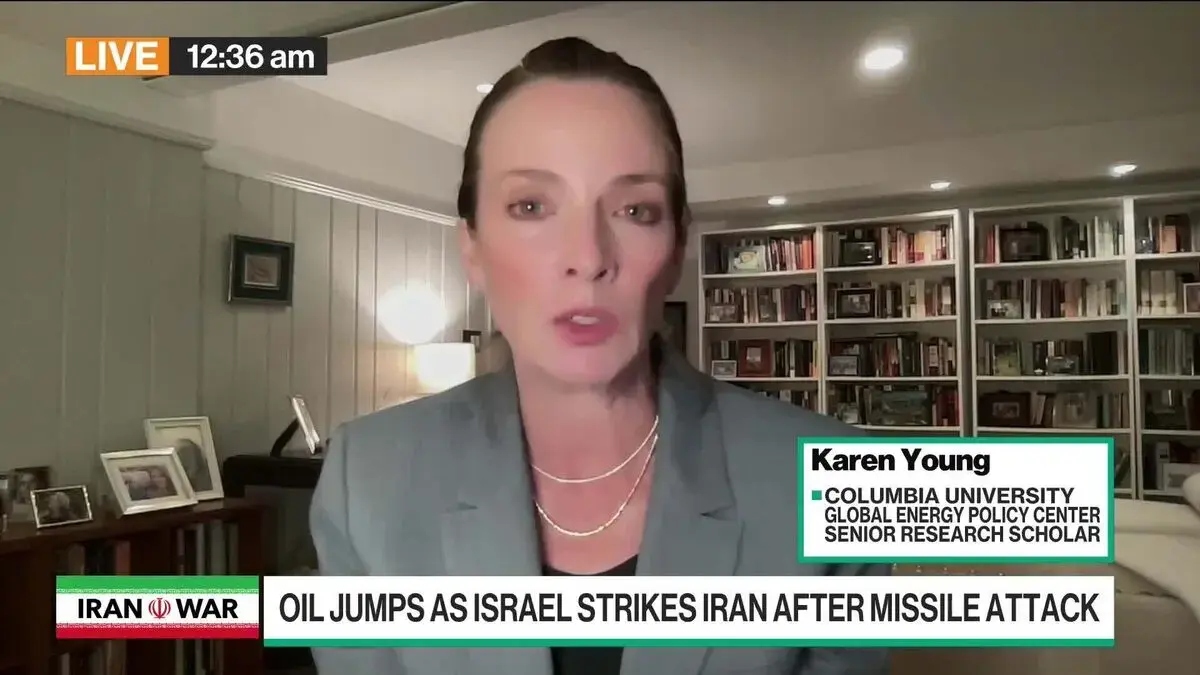
On June 8, 2026, global oil prices spiked after renewed fighting between Iran and Israel threatened the fragile ceasefire in the Gulf, raising fears about disruptions to the Strait of Hormuz, the world’s key oil transit route, and could affect supply chains worldwide.
Breaking news
 Greenpeace Investigates Zaporizhzhia Nuclear Plant Power Lines
 Researcher warns strict age limits needed for children on social media
 Hezbollah defends its arsenal amid Lebanese political deadlock
 Can an AI Chatbot Reduce Maternal Deaths in Kenya?
The price surge follows the latest OPEC+ decision to tighten output, a move that analysts say favours Russia more than any other producer. Karen Young, senior research scholar at the Center for Energy Studies, argues that Moscow’s ability to increase crude sales offsets the intended market‑stabilising effect of the cuts. She notes that Russia’s production capacity far exceeds the modest reductions pledged by OPEC members, allowing it to capture market share when rivals cut back. The conflict‑driven risk premium added roughly $5 per barrel to Brent futures, reinforcing the view that geopolitical shocks amplify Russia’s advantage.
Russia’s oil sector operates with a flexible export strategy that can quickly respond to price signals. When OPEC+ curtails supply, the resulting price lift makes higher‑cost Russian crude more competitive in Europe and Asia. Young points out that Russian shipments to India and China have risen by 8 % since the OPEC+ announcement, a trend supported by recent trade data. Moreover, sanctions have forced Moscow to diversify its customer base, reducing reliance on traditional Western buyers and mitigating the impact of any potential embargoes. The net effect is a larger market share for Russia at a time when global demand remains robust despite regional tensions.
Can the Hormuz Threat Trigger a New Energy Shock?
The Strait of Hormuz carries about a third of the world’s oil, so any interruption could reverberate through markets. Analysts warn that even a brief closure would tighten supplies, pushing prices higher and testing the resilience of strategic petroleum reserves. Iran’s recent missile strikes near the waterway have heightened alarm among shipping firms, prompting some carriers to reroute around the Cape of Good Hope, a longer and costlier journey. While no permanent shutdown has occurred, the possibility of renewed hostilities keeps traders on edge, and governments are closely monitoring naval movements to prevent escalation.
If the ceasefire collapses, the combined effect of disrupted flows and OPEC+ production cuts could sustain elevated oil prices for months. Higher energy costs would likely feed into inflation, pressuring central banks to tighten monetary policy. In the longer term, the episode may accelerate investment in alternative routes and renewable energy projects as nations seek to reduce vulnerability to geopolitical shocks.
Frequently Asked Questions
What triggered the recent oil price increase? Renewed fighting between Iran and Israel threatened the ceasefire in the Gulf, raising concerns about the safety of the Strait of Hormuz and coinciding with OPEC+ output cuts.
Why does Russia benefit from the OPEC+ decision? Russia can increase exports while OPEC members reduce output, allowing Moscow to capture market share and profit from higher global oil prices.
How likely is a closure of the Strait of Hormuz? A full closure remains unlikely, but the risk of temporary disruptions is high due to ongoing military tensions and the strategic importance of the waterway.