Escalation of Regional Hostilities
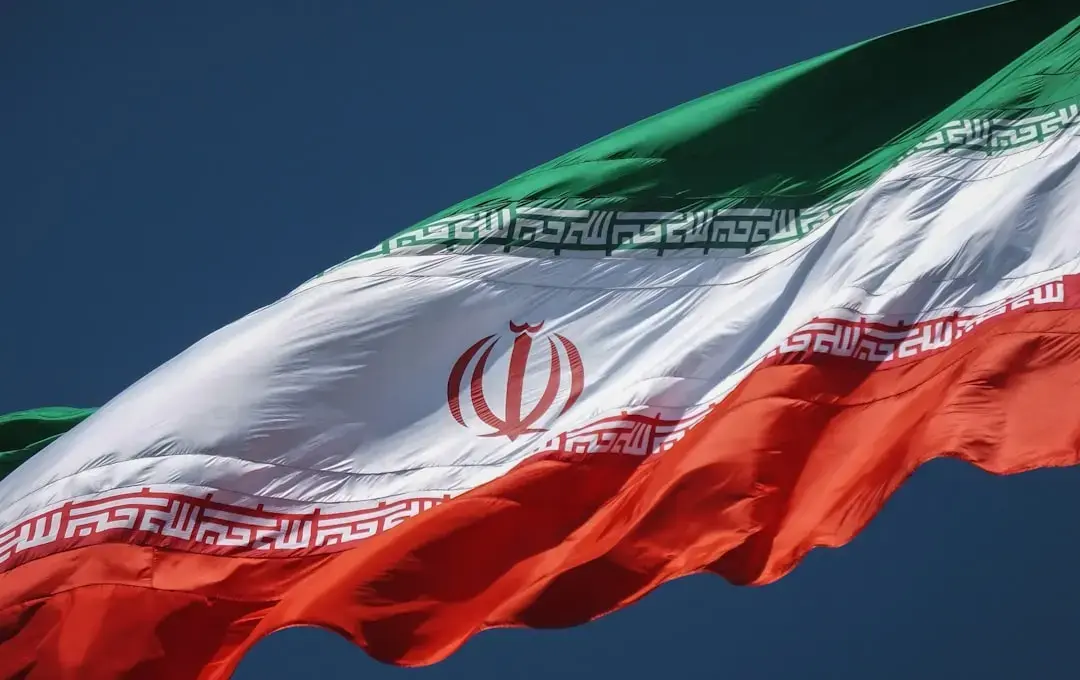
Iran launched a series of missile attacks targeting American military installations across Bahrain, Kuwait, and Jordan. This aggressive escalation follows a recent wave of U. S. airstrikes in the region. The strikes mark a significant shift in the ongoing volatility between Tehran and Washington, raising immediate concerns about a broader conflict erupting across the Middle East.
Breaking news
 Greenpeace Investigates Zaporizhzhia Nuclear Plant Power Lines
 Researcher warns strict age limits needed for children on social media
 Hezbollah defends its arsenal amid Lebanese political deadlock
 Can an AI Chatbot Reduce Maternal Deaths in Kenya?
The Iranian military confirmed the strikes, claiming they were a direct response to recent U. S. operations. These maneuvers targeted key sites where American troops are stationed. Regional observers noted that the coordinated nature of the assault suggests a calculated attempt to challenge the U. S. presence in Gulf territories. Security officials are currently assessing the extent of the damage to these strategic facilities.
Will Diplomatic Channels Survive the Conflict?
The recent exchange of fire represents a dangerous departure from previous proxy-style engagements. By targeting multiple nations simultaneously, Tehran is signaling a shift toward direct confrontation. U. S. commanders in the region have been placed on high alert as they evaluate the effectiveness of their defensive systems. The situation remains fluid, with military analysts warning that further retaliatory cycles could destabilize the entire Gulf corridor.
The rapid intensification of violence leaves little room for immediate de-escalation. Diplomatic efforts to mediate the crisis appear stalled as both sides prioritize military posturing over negotiations. International leaders are now calling for restraint to prevent the regional skirmish from spiraling into a full-scale war. The coming days will be critical in determining whether the conflict remains contained or spreads further across the Middle East.
What triggered the recent missile strikes? Iran initiated these attacks in retaliation for recent U. S. airstrikes conducted against their interests. The move is viewed as a direct response to the escalating military pressure in the region.
Frequently Asked Questions
Which countries were affected by the missile attacks? The strikes specifically targeted American military sites located within the borders of Bahrain, Kuwait, and Jordan. These nations host significant U. S. military infrastructure and personnel.
Is there a risk of a wider regional war? Military analysts suggest that the current escalation significantly increases the risk of a broader conflict. The situation remains highly unstable as both nations continue to exchange aggressive maneuvers.