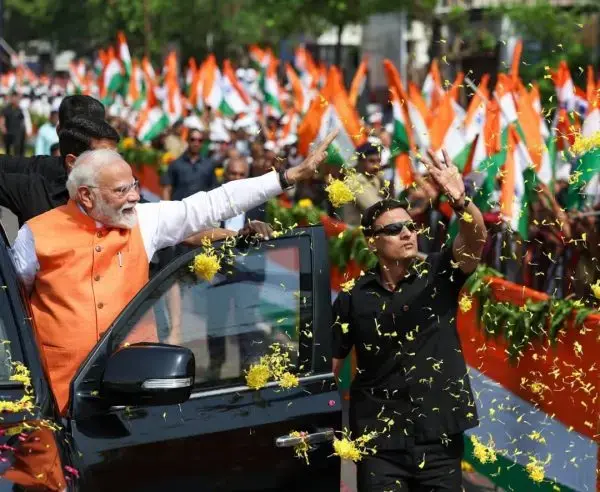
Can Dialogue Still Prevent Conflict?
One year after „Operation Sindoor,” the risk of conflict between India and Pakistan is increasing. Several factors are converging to create a more volatile situation. These include shrinking response times, heightened internal political pressures, diminished international influence, and a belief both sides can manage escalation.
Breaking news
 Greenpeace Investigates Zaporizhzhia Nuclear Plant Power Lines
 Researcher warns strict age limits needed for children on social media
 Hezbollah defends its arsenal amid Lebanese political deadlock
 Can an AI Chatbot Reduce Maternal Deaths in Kenya?
The previous crisis served as a stark warning. It demonstrated how quickly events can spiral. Now, conditions suggest future confrontations could unfold even faster. Domestic political considerations are playing a larger role in decision-making. Both governments face internal demands for strong responses to perceived provocations.
External pressure to de-escalate is also weakening. Major global powers appear less willing or able to intervene effectively. This lack of constraint emboldens hardliners on both sides. There's a dangerous assumption that any escalation can be carefully controlled. This miscalculation could lead to unintended consequences.
The perception of control is particularly concerning. Leaders may underestimate the risks of a wider conflict. They might believe they can limit the scope of any military action. However, history suggests that escalation is difficult to contain once initiated. The compressed timelines mean there’s less room for diplomatic solutions.
Dialogue between India and Pakistan remains infrequent and unproductive. Trust is low, and both sides have maximalist positions. This lack of communication exacerbates misunderstandings and increases the likelihood of miscalculation. Without consistent engagement, the risk of accidental escalation grows.
Frequently Asked Questions
The current environment differs significantly from previous periods of tension. The combination of factors – domestic pressure, weak external constraints, and the illusion of control – creates a uniquely dangerous situation. This is compounded by the ongoing geopolitical instability. It further complicates efforts to promote regional security.
The consequences of another India-Pakistan crisis could be severe. A full-scale conflict would have devastating humanitarian and economic impacts. It would also destabilize the entire region. The outlook remains grim unless both sides prioritize dialogue and restraint. A renewed commitment to de-escalation mechanisms is urgently needed.
What was „Operation Sindoor”? „Operation Sindoor” refers to a recent event that heightened tensions between India and Pakistan. It served as a catalyst for increased military posturing and diplomatic friction. The event underscored existing vulnerabilities in the relationship.
How is domestic pressure influencing the situation? Internal political challenges are pushing leaders in both countries to appear strong. This creates incentives to respond aggressively to perceived threats. It limits their flexibility to pursue peaceful resolutions.
Is international mediation still possible? While external powers have historically played a role, their influence is currently diminished. Effective mediation requires willingness from both sides to engage constructively. This is currently lacking, making intervention difficult.