Strategic Heights and Coastal Control
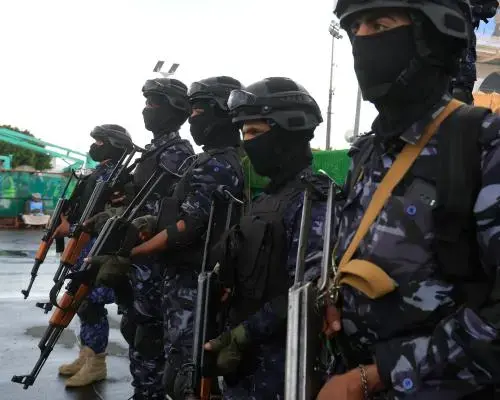
Houthi fighters are rapidly seizing key high ground in Yemen. This move threatens to isolate the Red Sea coast from Saudi-backed zones. The offensive follows President Donald Trump’s sudden decision to cancel US airstrikes. The halt occurred at the final moment, reportedly while bombs were already being loaded onto fighter jets. Tens of thousands of civilians have been displaced by the escalating conflict.
Breaking news
 Former German Intelligence Chief Faces Espionage Charges
 American Educator Analyzes French Student Demonstrations
 Massive Protests Erupt Across France Over Educational Funding Shortfalls
 French students and teachers protest inadequate school resources
The timing of the cancellation remains a subject of intense speculation. Reports indicate that Saudi Arabia requested assistance during the critical window before the launch. This diplomatic intervention appears to have influenced the White House’s final call. The abrupt reversal caught many military planners off guard. It highlights the volatile nature of current regional diplomacy.
The terrain targeted by the Houthis is crucial for controlling movement along the coast. By securing these elevated positions, the group aims to create a physical barrier. This barrier would separate the Red Sea shoreline from territories currently supported by Saudi forces. Such a division could significantly alter the balance of power in the region. It may also affect shipping lanes and local supply routes. The fight for these heights is now the central focus of the ground war.
Why Did the Airstrikes Stop?
Military analysts note that holding high ground provides a tactical advantage. It allows for better observation and defensive positioning. The Houthis are leveraging this opportunity created by the paused air campaign. Without immediate aerial support, ground operations become more decisive. The pause in strikes gives the advancing fighters time to consolidate their gains. They can establish fortifications before any future waves of attacks arrive.
The decision to halt the mission was not made in isolation. It involved rapid communications between Washington and Riyadh. Saudi officials reportedly urged a delay or cancellation to coordinate their own responses. This coordination suggests a shared strategy among Gulf allies. The loading of munitions indicates the operation was nearly ready for execution. The last-minute change reflects the complex web of alliances in the Middle East.
Frequently Asked Questions
Trump’s administration often emphasizes quick decisions in foreign policy. However, this instance shows reliance on partner input. The cancellation did not signal a retreat from support but rather a recalibration. It allowed for a brief window of negotiation or repositioning. The outcome remains uncertain as both sides continue to maneuver.
How many people have been displaced by the fighting? Tens of thousands of civilians have been forced to leave their homes. The displacement is a direct result of increasingly heavy combat in Yemen.
When exactly did the US cancel the strikes? The cancellation happened at the very last minute. Bombs were reportedly already being loaded onto aircraft when the order came down.