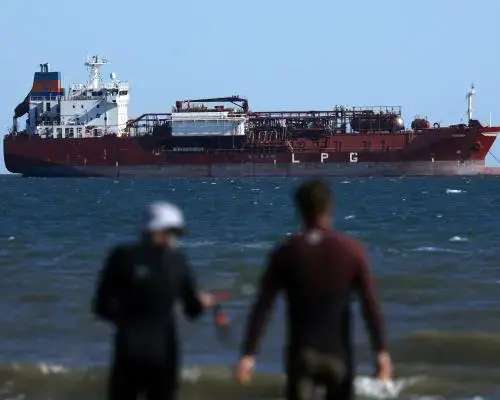
Iran Conflict Strains Oil Supplies
The International Energy Agency warns of severe oil supply losses due to the Iran conflict, depleting global stocks. OPEC recently revised its demand forecast downward. The oil cartel now expects demand to grow by 1.2 million barrels per day in 2026.
Breaking news
 Deadly Glacier and Rock Collapse in Nepal Linked to Climate Warming
 US Congress Passes Sweeping Sanctions Against Russia
 Speaker Johnson Ends House Session Early to Halt Impeachment Effort
 The High-Stakes Fight for Senate Majority Control
The reduction in demand forecast is attributed to OPEC's latest Monthly Oil Market Report, which previously predicted a 1.4 million barrel per day increase. The Strâmtoarea Ormuz supply chain disruption is a significant concern, with the IEA highlighting the strain on global oil reserves.
The conflict has raised concerns about the security of oil supplies from the region. OPEC's downward revision indicates a more cautious outlook on global demand. The agency's report reflects a changing landscape in the oil market.
Can Global Oil Demand Recover?
The Strâmtoarea Ormuz is a critical waterway for global oil supplies, and any disruption can have far-reaching consequences. The IEA's warning highlights the vulnerability of the global oil market to regional conflicts.
The revised demand forecast has implications for the global oil market. A slower demand growth rate may impact oil prices and production levels. The market is closely watching the developments in the Iran conflict and its impact on oil supplies.
The dwindling global oil stocks and reduced demand forecast may lead to increased price volatility. The market is likely to remain sensitive to any further disruptions in the region.
Frequently Asked Questions
What is causing the decline in global oil stocks? The Iran conflict and subsequent disruption to oil supplies through Strâmtoarea Ormuz are the primary causes.
How has OPEC revised its demand forecast? OPEC now expects global oil demand to grow by 1.2 million barrels per day in 2026, down from 1.4 million barrels per day.
What are the implications of the reduced demand forecast? A slower demand growth rate may impact oil prices and production levels, leading to increased price volatility.