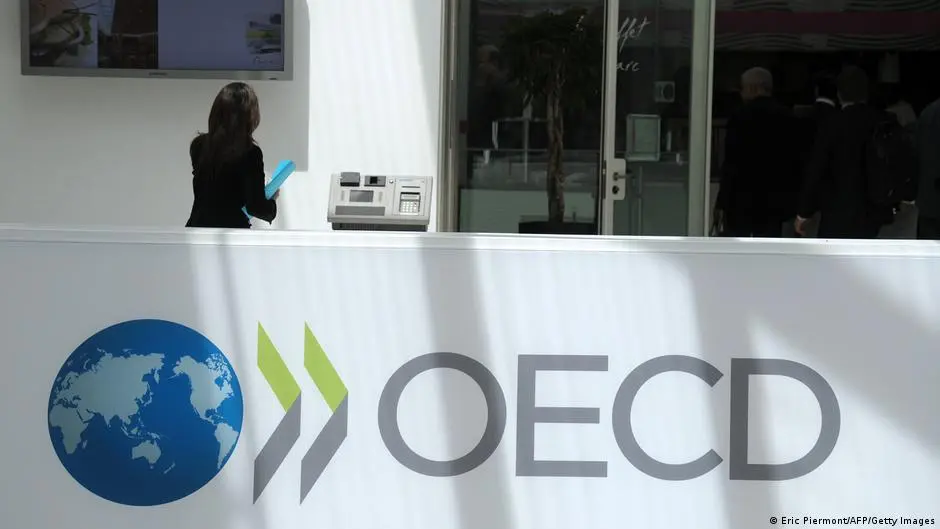
AI Investment as an Economic Buffer
The OECD projects global economic growth will reach 2.9% in 2026. Despite ongoing instability in the Middle East and persistent inflationary pressures, the organization describes the international economy as resilient. Industrialized nations continue to navigate complex geopolitical challenges while maintaining a steady trajectory for the coming fiscal year.
Breaking news
 Trump Rejects AI Safety Measures Amid China Competition
 Behavioral Health and the Justice System: Accreditation and Continuity-of-Care Standards for Justice-Involved Individuals
 Britney Spears Dazzles in Bold Lingerie Shoot
 South Korea Weighs Strong Response After DMZ Landmine Blast
The report highlights a clear divide between technological optimism and geopolitical risks. While regional warfare has disrupted supply chains and increased energy costs, business investment in artificial intelligence is acting as a powerful counterweight. This digital transformation is bolstering productivity across major economies, helping to offset the negative impacts of rising prices.
Corporate spending on artificial intelligence has emerged as a primary driver of stability. Businesses are increasingly integrating advanced automation to streamline operations and reduce long-term costs. This surge in innovation provides a necessary cushion for markets facing uncertainty. By prioritizing tech-driven efficiency, companies are finding ways to sustain growth even when traditional trade routes face significant disruptions.
Can Global Markets Weather Persistent Inflation?
The conflict in the Middle East remains a significant concern for central banks worldwide. Energy price volatility continues to threaten the progress made in stabilizing consumer costs. Policymakers must now balance the need for growth-friendly interest rates with the necessity of curbing inflation. If energy prices spike further, the resilience currently observed in the global economy could be tested by tighter monetary policies.
The outlook for 2026 suggests a period of cautious optimism. While the global economy is currently holding firm, the interplay between technological advancement and geopolitical tension will define the coming months. Sustained investment in innovation remains the most effective tool for maintaining momentum against a backdrop of global instability.
Frequently Asked Questions
What is the projected global growth rate for 2026? The OECD forecasts a global growth rate of 2.9% for the year 2026. This figure reflects a resilient economic environment despite various international challenges.
How is artificial intelligence affecting the current economy? AI is serving as a key driver of growth by boosting productivity and efficiency. Increased corporate investment in this sector is helping to offset the inflationary pressures caused by regional conflicts.
What is the primary risk to the 2026 economic forecast? The ongoing conflict in the Middle East is the main threat to global stability. It continues to fuel inflation and creates uncertainty regarding energy prices and supply chain security.